

 Travel Essentials
 Travel Essentials

A comprehensive guide to exploring Cape Town, featuring iconic landmarks, outdoor activities, cultural sites, and practical travel tips for all visitors.
 Travel Essentials
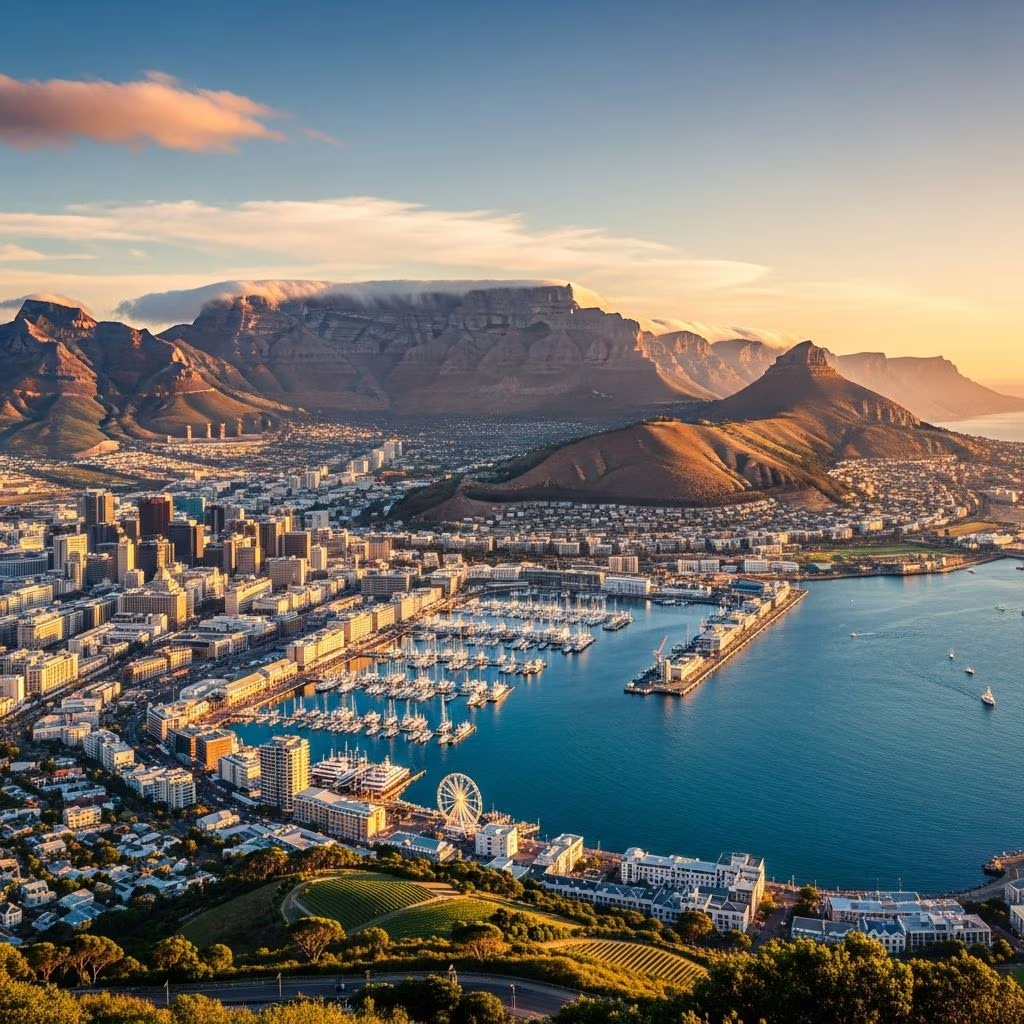
Perched where the Atlantic Ocean meets the African continent, Cape Town stands as one of the world’s most visually stunning destinations. This vibrant metropolis seamlessly blends natural magnificence with rich cultural heritage, offering visitors an extraordinary range of experiences from urban exploration to wilderness adventure. Whether you’re seeking thrilling outdoor pursuits, historical immersion, culinary delights, or simple relaxation by the sea, Cape Town consistently delivers memorable moments that linger long after departure.
The city’s position on South Africa’s southwestern coast provides a dramatic backdrop featuring towering mountains, pristine beaches, and expansive ocean vistas. What sets Cape Town apart from other major destinations is its accessibility—major attractions remain within reach of the city center, allowing visitors to experience remarkable diversity without extensive travel time between activities.
Understanding Cape Town’s seasonal patterns helps optimize your visit. The region experiences Mediterranean-influenced weather that differs significantly from other African destinations.
Table Mountain anchors Cape Town’s identity as one of the world’s seven natural wonders. This geological marvel rises 1,086 meters with a characteristically flat summit resembling a massive table. The mountain remains visible across the city, serving as a constant geographic reference point.
Two primary methods access the summit. The rotating cable car provides a 360-degree experience ascending to the top in approximately eight minutes, offering rotating views throughout the journey. The cable car experience itself becomes memorable, whisking visitors upward while perspective shifts dramatically. Hiking routes offer alternative approaches, with journey times typically between 1.5 to 2 hours depending on fitness and selected trail.
Once atop the mountain, visitors discover multiple vantage points revealing panoramic perspectives of the city, surrounding mountains, and ocean expanse. A restaurant and bar facility at the summit provides refreshment options while enjoying these elevated views. The sunset period attracts particular crowds, so visiting during off-peak times or early morning hours ensures better viewing experiences with shorter waits.
Extending southward from Cape Town, the Cape Peninsula presents a spectacular coastal journey combining natural drama with historical significance. A full-day tour encompasses multiple highlights showcasing why this region captivates visitors.
Chapman’s Peak Drive, recognized as one of the world’s most scenic coastal highways, winds dramatically along rugged cliffs with hairpin turns offering constant visual drama. This engineering marvel connects coastal towns while providing photography opportunities at nearly every bend.
Cape Point culminates the peninsula’s southern extremity, situated within the Cape of Good Hope Nature Reserve. This historically significant headland marked a major navigation point during the age of maritime exploration. The distinctive lighthouse and museum recount maritime heritage, while the dramatic rocky coastline creates an imposing natural spectacle. Hiking trails around Cape Point offer various exertion levels, from brief walks to more challenging treks.
The peninsula tour typically includes Boulder’s Beach, distinctive for its resident penguin colony. African penguins nest among massive granite boulders, creating a unique viewing experience. Early morning visits increase sighting probability before crowds accumulate.
Cape Town’s beaches offer striking variety despite proximity to each other. Clifton Beaches present upscale coastal experiences with calm waters protected by granite outcrops, attracting affluent visitors and locals. These beaches’ sheltered positioning creates Mediterranean-like conditions unusual for South Africa’s southwestern coast.
Camps Bay offers bohemian beach atmosphere beneath the Twelve Apostles mountain range. This extensive sandy strand accommodates crowds while maintaining character through beachfront restaurants and casual ambiance. Water conditions remain consistently pleasant during summer months.
Muizenberg Beach features distinctive colorful changing huts reminiscent of classic British seaside aesthetics, creating photography opportunities while offering functional beachside amenities.
Robben Island occupies profound significance in South African history. This island prison housed political prisoners during the apartheid era, most famously Nelson Mandela during his 18-year imprisonment. Today, former prisoners serve as tour guides, personally recounting experiences that transform the island from historical artifact into living testimony.
Tours encompass the prison complex where visitors observe cells, communal areas, and the limestone quarry where prisoners performed forced labor. Mandela’s cell receives particular attention as visitors contemplate the years spent in this confined space. The personal narratives from former prisoners provide context no museum display can replicate, creating emotional connection to South Africa’s struggle for freedom and equality.
Visiting Robben Island requires advance booking, as daily visitor numbers remain limited for preservation purposes. The ferry journey itself provides perspectives of the city from the ocean, while the tour duration typically consumes three to four hours including transportation.
Bo-Kaap, historically known as the Malay Quarter, presents vibrant cultural and visual experiences. Narrow streets feature impossibly colorful houses painted in electric hues—brilliant pinks, lime greens, sky blues, and sunset oranges create an almost surreal environment.
These historically significant residences date to the 1760s when they served as rental housing for enslaved populations. Today, they represent cultural pride and community identity. The Bo-Kaap Museum, situated in the neighborhood’s oldest building, chronicles the community’s complex history through exhibits and artifacts.
The neighborhood’s gastronomic offerings showcase Cape Malay culinary traditions featuring aromatic spice combinations, curries, and meat preparations unknown to many international visitors. Restaurants throughout Bo-Kaap serve traditional meals featuring fruit, vegetables, meat, and distinctive spice profiles. Street-level exploration reveals independent shops, galleries, and cafes reflecting contemporary creative expression alongside historical preservation.
Beyond Table Mountain’s established trails, Cape Town offers hiking routes suiting various fitness levels and time availability.
Cape Town’s coastal positioning enables diverse aquatic activities. Snorkeling with seals provides unusual wildlife encounters in their natural habitat, creating memories of close interaction with marine mammals. Shark cage diving appeals to adventure seekers willing to pay premium prices for controlled encounters with great whites, though controversy surrounds this activity regarding animal welfare and ecological impact.
Paragliding at Signal Hill offers aerial perspectives of the city and surrounding mountains, creating unique photography opportunities and adrenaline experiences for adventure enthusiasts.
Day trips to reserves like Aquila Game Reserve enable safari experiences within reasonable proximity of the city. These excursions showcase African megafauna including elephants, lions, rhinoceros, and numerous bird species. Professional guides enhance experiences through wildlife knowledge and conservation context.
Kirstenbosch Botanical Garden represents one of South Africa’s premier horticultural institutions, administered by the South African National Biodiversity Institute (SANBI). This garden showcases African plant species across five of South Africa’s six distinct biomes, making it an invaluable educational and recreational destination.
The garden features carved hiking trails through native vegetation, stone sculptures positioned throughout grounds, and expansive lawns suitable for relaxation. Summer brings live musical performances on Sunday evenings, creating festive atmospheres amid botanical surroundings. The garden’s design integrates seamlessly with mountain backdrop, blending cultivated spaces with natural landscape.
Cape Town’s food scene reflects multicultural heritage and agricultural abundance. Beyond Bo-Kaap’s traditional Cape Malay cuisine, the city offers contemporary restaurants, seafood specialists, and fusion establishments. Neighborhoods like Camps Bay and the V&A Waterfront contain dining establishments ranging from casual to fine dining.
The nearby Stellenbosch wine region, approximately 45 minutes from the city center, produces exceptional wines in distinctive terroir. Day trips enable wine tastings at multiple estates, vineyard tours, and farm restaurants. The region’s Mediterranean landscape rivals international wine destinations while remaining more accessible and affordable than European equivalents.
| Day | Primary Activities | Focus |
|---|---|---|
| One | Arrival, accommodation settling, neighborhood exploration | Acclimation |
| Two | Table Mountain cable car, Boulder’s Beach penguins | Iconic attractions |
| Three | Full Cape Peninsula tour (Chapman’s Peak, Cape Point) | Coastal scenic beauty |
| Four | Stellenbosch wine region day trip | Viticulture and rural landscapes |
| Five | Lion’s Head hiking, Bo-Kaap exploration and dining | Active pursuits and culture |
| Six | Safari at game reserve or coastal activities | Wildlife or water sports |
| Seven | Robben Island half-day tour | Historical significance |
A minimum of four days allows exploration of major attractions. Seven to ten days accommodates deeper immersion into neighborhoods, multiple hikes, wine region visits, and relaxation without feeling rushed. Many travelers find one week optimal.
Like most major cities, Cape Town has safe and less safe areas. Tourists should remain in established tourist areas, avoid displaying valuables, and exercise normal urban caution. Guided tours provide security while enabling exploration beyond individual comfort zones.
South African Rand (ZAR) is the local currency. Cape Town remains relatively affordable compared to European or American destinations. Budget daily expenses range from $40-80 USD depending on accommodation and dining selections.
Visa requirements depend on citizenship. Many nationalities receive 90-day visitor permits upon arrival. Check current requirements with South African government sources prior to travel planning.
Taxis, ride-sharing services, rental cars, and organized tours provide transportation. The city center is walkable for many attractions. Rental cars enable independent exploration but require adaptation to local driving conventions and navigation conditions.
Visitors should arrange travel insurance covering potential medical needs and trip disruptions. Electrical outlets use 220V with unique South African plugs, requiring adapters for most international devices. English is widely spoken, though learning basic Zulu or Xhosa phrases enhances interactions with local populations.
Accommodation ranges from luxury hotels to budget hostels, with options throughout the city and surrounding areas. Booking advance reservations ensures better rates, particularly during summer season. Water quality is safe, though some visitors prefer bottled water initially while digestive systems adjust to local microbes.
Cape Town’s natural attractions and cultural richness create extraordinary travel experiences accommodating diverse interests and budgets. Whether seeking adventure, history, cuisine, or natural beauty, this remarkable city delivers memorable encounters that justify its reputation as one of the world’s premier destinations.
