


 Food & Culture
Food & Culture
Cape Winelands Travel Guide: Wine, Food & Scenic Adventures
Explore South Africa's renowned Cape Winelands with expert tips on wine tasting, outdoor activities, charming towns, and luxury accommodations in this comprehensive travel guide.
 Food & Culture
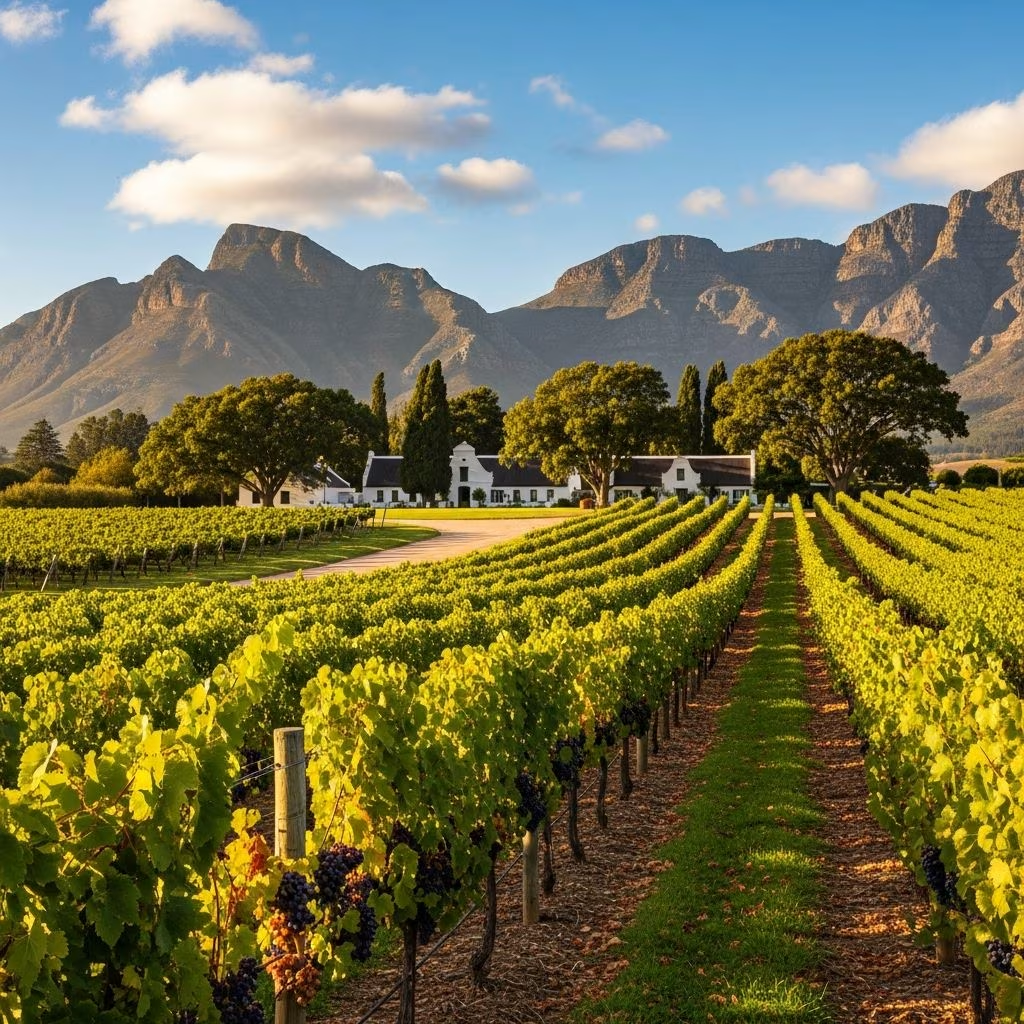
Positioned less than an hour’s drive from Cape Town, the Cape Winelands represent one of the world’s most captivating wine destinations, blending exceptional viticulture with breathtaking landscapes and rich cultural heritage. This remarkable region has cultivated its winemaking reputation over more than three centuries, establishing itself as a premier destination for travelers seeking both relaxation and exploration. The Winelands offer far more than wine tastings—visitors discover colonial architecture, mountain vistas, culinary excellence, and outdoor adventures that create an unforgettable travel experience.
Gateway to Wine Country: Getting There and Around
Accessing the Cape Winelands is remarkably straightforward for international travelers. Cape Town International Airport serves as the primary entry point, with convenient transportation options connecting visitors to the wine region within approximately one hour. Once arrived, travelers have multiple approaches to exploring the Winelands, each offering distinct advantages depending on preferences and travel style.
Transportation Options for Every Traveler
- Organized Tour Services: Professional tour operators offer pre-arranged excursions departing from Cape Town accommodations, providing comfortable transportation in modern vehicles and eliminating planning concerns. These tours typically operate on half-day or full-day schedules, accommodating various time constraints and interests.
- Independent Car Rental: Well-maintained roads and clear signage throughout the region make self-driving an appealing option for adventurous travelers. This approach provides maximum flexibility for spontaneous discoveries and personalized pacing.
- Private Driver Services: Hiring a dedicated driver or personal guide represents the optimal choice for wine enthusiasts, as designated drivers enable all party members to enjoy tastings responsibly while benefiting from local expertise. Knowledgeable guides curate estate selections based on visitor preferences and provide contextual knowledge about regional history and wine production.
Regardless of transportation method selected, exploring the Winelands’ charming towns on foot enriches the experience, particularly in Stellenbosch, where pedestrian-friendly streets reveal architectural treasures and local commerce.
Premier Destinations Within the Winelands
Three principal towns anchor the Cape Winelands experience, each offering distinct character while maintaining strong wine and culinary traditions. Stellenbosch, Paarl, and Franschhoek provide the classic wine country atmosphere that defines the region’s appeal.
Stellenbosch: History and Heritage
As one of South Africa’s oldest settlements beyond Cape Town, Stellenbosch combines historical significance with contemporary vibrancy. The town’s tree-lined streets showcase Cape Dutch architecture, a distinctive colonial building style characterized by gabled roofs and whitewashed walls. Walking through Stellenbosch reveals the region’s layered history, from 17th-century estates to modern wine establishments.
Major wine estates in the Stellenbosch area include Meerlust, celebrated for its smooth Rubicon blend and refined Chardonnay, and De Toren, an acclaimed producer of Bordeaux-style wines offering spectacular vistas extending toward Table Mountain and False Bay. These establishments exemplify the quality and ambition characterizing the region’s winemaking culture.
Franschhoek: Scenic Beauty and Culinary Excellence
The Franschhoek Valley presents perhaps the region’s most photogenic landscape, with vineyards cradled by mountains and punctuated by Cape Dutch estates. This charming town has evolved into a gastronomic destination, attracting internationally trained chefs and establishing itself as South Africa’s primary fine dining hub beyond Cape Town.
Franschhoek’s unique attractions include the famous Franschhoek Wine Tram, which traverses scenic routes through the valley while providing access to carefully selected wine estates. Passengers disembark at featured properties to participate in guided tastings and explore cellars, sampling varietals including Chardonnay, Sauvignon Blanc, Cabernet Sauvignon, and Pinot Noir.
Experiencing Wine Culture and Production
Wine tasting forms the cornerstone of most Winelands visits, though the experience extends far beyond simple sampling. Understanding production methods, varietal characteristics, and the region’s terroir deepens appreciation for South African wines.
Wine Estate Visits and Tastings
Many estates welcome visitors for guided property tours followed by structured tastings, often featuring food pairings that highlight complementary flavors. This educational approach transforms casual consumption into meaningful engagement with the winemaker’s craft. Historic properties such as Rustenberg, which has continuously produced wines since 1682, provide particularly enriching experiences, connecting visitors to centuries of winemaking tradition.
Boschendal Estate exemplifies the farm-to-table concept popular throughout the region, producing award-winning vintages since 1685 while showcasing Cape Dutch architecture and maintaining extensive gardens. Visitors can arrange picnic lunches combining estate wines with gourmet provisions, enjoyed amidst manicured grounds.
Specialized Wine Guidance
For visitors seeking deeper wine knowledge, hiring specialized wine experts transforms the experience. Local authorities like André Conradie tailor itineraries to individual preferences, providing historical context about regional viticulture while introducing visitors to both established and boutique estates. This personalized approach ensures encounters with wines matching specific taste profiles and interests.
Beyond the Winery: Outdoor Adventures
The Cape Winelands’ appeal transcends wine production, offering diverse outdoor activities suited to various fitness levels and interests.
Hiking and Walking Experiences
Guided hiking through the region’s wine valleys provides cardiovascular challenge combined with stunning scenery and gastronomic rewards. The Franschhoek Wine Walk, a guided four-mile journey through picturesque valleys, accommodates those seeking moderate activity levels. The La Motte trail, a 3.1-mile circular route traversing estate grounds and mountain slopes, concludes with tastings of award-winning wines like La Motte Sémillon.
For more ambitious trekkers, summiting Table Mountain on foot offers unparalleled vistas over Cape Town, surrounding peaks, and the Atlantic Ocean beyond. These guided climbs, tailored to individual fitness capacity, typically require three hours for ascent, with intermediate breaks featuring traditional South African refreshments such as biltong, anchovy-cracker combinations, and rooibos-infused rusks before concluding via relaxing cable car descent.
Cycling and Alternative Transportation
Bicycling through charming downtown Franschhoek enables intimate encounters with Cape Dutch-style estates while navigating manageable terrain. This active approach suits those balancing wine appreciation with fitness pursuits, allowing flexible pace and route modifications based on energy levels and interests.
Culinary Exploration and Fine Dining
The Cape Winelands’ gastronomic culture extends far beyond casual wine bar experiences, encompassing award-winning restaurants, farm-based dining, and culinary schools. Franschhoek particularly distinguishes itself as a destination for fine dining, attracting internationally trained chefs who establish restaurants reflecting global influences while incorporating local ingredients.
Estate restaurants represent distinctive dining experiences, where wines produced on-site complement carefully curated menus. The farm-to-table philosophy dominates, emphasizing seasonal ingredients sourced from regional producers and estate gardens. These establishments often accommodate private dining for groups and special occasions, creating memorable celebrations within vineyard settings.
Accommodations: From Luxury to Boutique
The Winelands host diverse lodging options serving various budgets and travel preferences. Luxury properties like Delaire Graff Lodges and Spa provide five-star amenities combined with panoramic vineyard views and comprehensive spa facilities. These establishments cater to travelers seeking pampering and high-end service within wine country settings.
Boutique guesthouses and wine-estate accommodations offer more intimate experiences, often managed by owners with deep regional connections. Many provide personalized service and local recommendations unavailable through larger hotel chains. Regardless of category selected, accommodations typically include breakfast service and can arrange wine tours and dining reservations as part of comprehensive hospitality packages.
Understanding Regional Wine Production
The Cape Winelands’ established reputation derives from ideal growing conditions, skilled viticulture, and diverse varietals thriving in Mediterranean-influenced climate. Cabernet Sauvignon, Merlot, Chardonnay, and Pinot Noir represent primary varietals, though innovative producers experiment with lesser-known grapes. Méthode Champenoise sparkling wines produced in the region rival international competitors in quality and sophistication.
Production methods range from traditional techniques honoring centuries-old practices to modern innovations incorporating contemporary technology. This blend of heritage and progress characterizes many estates, allowing visitors to witness how tradition and innovation coexist within the same production facilities.
Seasonal Considerations and Best Timing
The Cape Winelands experience varies throughout the year, with distinct advantages corresponding to seasons. Spring (September through November) brings blooming vineyards and pleasant temperatures ideal for hiking and outdoor activities. Summer (December through February) offers warm, dry weather perfect for leisurely tastings but may attract larger tourist crowds. Autumn (March through May) presents harvest season, when visitors observe active production and participate in celebratory harvest activities. Winter (June through August) brings cooler temperatures and reduced tourism, creating more intimate tasting experiences.
Natural Beauty and Environmental Context
Beyond vineyards, the Winelands encompass significant ecological significance. Protected areas feature walking and hiking trails navigating diverse flora and fauna, with marked vantage points offering panoramic perspectives. Visitors encounter Cape mountain zebras, impalas, baboons, and approximately 250 bird species while exploring nature reserves, often guided by knowledgeable naturalists providing species identification and ecological context.
The region’s botanical diversity reflects Mediterranean climate influence, with unique vegetation found nowhere else globally, particularly within protected reserves preserving endangered ecosystems.
Frequently Asked Questions
How much time should I allocate for Winelands exploration?
A minimum of one full day allows basic wine tasting and township exploration, though three to five days enable comprehensive estate visits, hiking excursions, fine dining experiences, and cultural immersion.
Is advance booking necessary for wine estate visits?
While some estates welcome walk-in visitors, advance reservations ensure quality experiences, guarantee knowledgeable guide availability, and sometimes provide price advantages or exclusive tastings.
What is appropriate attire for winery visits?
Smart casual clothing suffices for most estate visits, though some upscale restaurants require dressy attire. Comfortable walking shoes prove essential given terrain and distances involved in comprehensive touring.
Are non-wine drinkers accommodated in the Winelands?
Absolutely. Hiking, cycling, culinary experiences, cultural exploration, and scenic enjoyment provide fulfilling experiences independent of wine consumption. Many tours accommodate preferences for grape juice tastings or non-alcoholic beverages.
What budget should I anticipate for a Winelands visit?
Budgets range significantly based on accommodation choices and activities selected. Budget travelers may spend $50-100 daily, while luxury experiences exceed $400 daily, including premium accommodations, private guides, and fine dining.
Planning Your Winelands Itinerary
A well-structured itinerary balances wine education, culinary experiences, outdoor adventures, and cultural exploration. Day one might focus on Stellenbosch’s architectural heritage and established estates, followed by day two emphasizing Franschhoek’s culinary scene and scenic wine tram experience. Day three could highlight hiking or outdoor pursuits, while subsequent days accommodate personalized interests whether specialized wine education, luxury spa experiences, or regional cultural immersion.
Flexibility remains important, as spontaneous discoveries—a particularly charming restaurant, unexpected estate encounter, or unplanned hiking trail—often create the most memorable moments.
The Cape Winelands represent far more than a wine destination; they constitute a complete travel experience combining natural beauty, historical significance, culinary excellence, and outdoor adventure. Whether visiting as serious wine enthusiasts, casual travelers, or families seeking diverse activities, the region offers profound rewards justifying its international reputation as one of the world’s premier destinations.
References
- 5 ways to experience The Cape region and Winelands — Audley Travel. https://www.audleytravel.com/us/south-africa/country-guides/the-cape-region-and-winelands
- Cape Winelands Travel Advice (Best Tips on Activities & Restaurants) — Go2Africa. https://www.go2africa.com/destinations/cape-winelands/travel-advice
- A Quick Guide to South Africa’s Wine Regions — GetOurs. https://www.getours.com/expert-travel-advice/food-drink/exploring-the-cape-winelands-in-south-africa
- 10 Days of Food & Wine in Cape Town & the Winelands of South Africa — Fora Travel. https://www.foratravel.com/guides/6PV9XK/10-days-of-food-and-wine-heaven-in-cape-town-and-the-winelands-of-south-mandy-wieker
- Visiting The Cape Winelands from Cape Town: Stellenbosch or Franschhoek — Hopping Feet. https://hoppingfeet.com/cape-winelands-from-cape-town-stellenbosch-or-franschhoek/
- The Post-Safari Pairing: An Insider’s Guide to South Africa’s Winelands — Observer. https://observer.com/list/south-africa-cape-winelands-travel-guide/
- An Insider’s Guide to the Wine of the Cape Winelands — Travel Beyond. https://travelbeyond.com/an-insiders-guide-to-the-wine-of-the-cape-winelands/
On This Page
Gateway to Wine Country: Getting There and Around Premier Destinations Within the Winelands Experiencing Wine Culture and Production Beyond the Winery: Outdoor Adventures Culinary Exploration and Fine Dining Accommodations: From Luxury to Boutique Understanding Regional Wine Production Seasonal Considerations and Best Timing Natural Beauty and Environmental Context Frequently Asked Questions Planning Your Winelands Itinerary← Previous
Best Restaurants in Tahiti: Top Places to Eat in Papeete and Beyond
Next →
Best Restaurants in Tahiti: Where to Eat in Papeete and Beyond
Related Reading
More in Food & Culture
Food & Culture Food & Culture
 Food & Culture
Best Places to Eat in Rome: Neighborhood Dining Guide
 Food & Culture
 Food & Culture