

 Travel Essentials
 Travel Essentials

Explore Capitol Reef's slot canyons, ancient arches, and desert vistas with guided adventures, easy trails, and stargazing for an unforgettable nature retreat.
 Travel Essentials
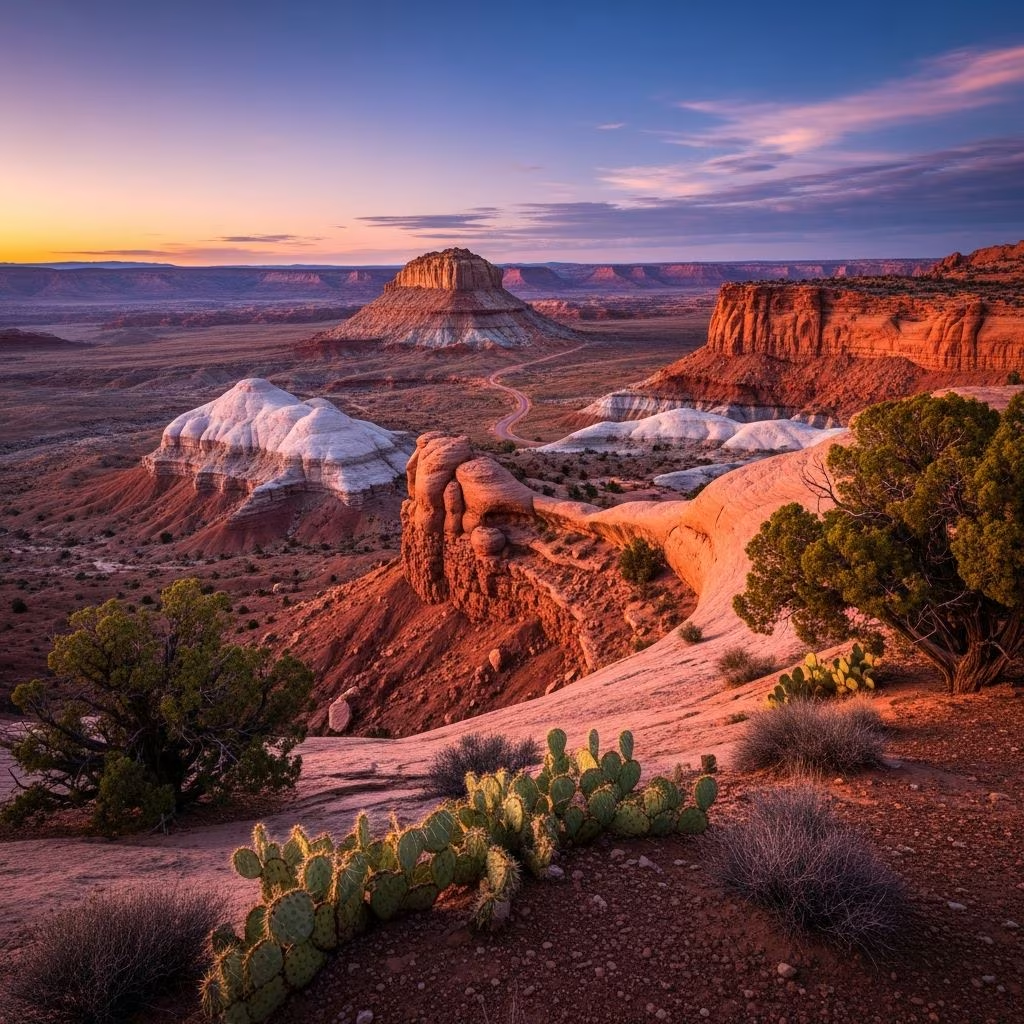
Nestled in the heart of southern Utah, Capitol Reef National Park stands as one of the state’s most underrated treasures, offering a profound connection to the American Southwest’s raw geological beauty. Spanning over 100 miles of the dramatic Waterpocket Fold—a massive warp in the Earth’s crust—this park invites travelers to slow down, disconnect, and fully engage with nature through its diverse landscapes of towering monoliths, narrow slot canyons, and expansive desert vistas. Unlike more crowded parks, Capitol Reef provides solitude amid vibrant red rock formations, ancient petroglyphs, and thriving wildlife, making it ideal for those seeking an authentic outdoor escape.
The park’s name derives from two striking features: white sandstone domes resembling capitol buildings and a coral reef-like barrier formed by the uplift of the Waterpocket Fold millions of years ago. This 100-mile monocline exposes layers of sedimentary rock from the Permian to Cretaceous periods, creating a visual timeline of Earth’s history visible along every trail and drive. Visitors can witness eroded fins, colorful bentonite hills, and natural water pockets that sustain life in this arid region. The area’s remoteness preserves its pristine state, with minimal light pollution perfect for stargazing under some of the darkest skies in the U.S.
Spring (March-May) and fall (September-November) offer mild temperatures between 60-80°F, blooming wildflowers, and fewer crowds, while summer demands early starts to beat 100°F heat. Winter brings occasional snow but stunning solitude. Entry costs $20 per vehicle for seven days; annual passes are available. High-clearance vehicles are recommended for unpaved roads like Grand Wash, and always check weather for flash flood risks in canyons. Pack ample water (1 gallon per person/day), sun protection, sturdy boots, and a map, as cell service is spotty.
Begin your exploration with the park’s signature drives, accessible from the visitor center near Fruita. The paved Capitol Reef Scenic Drive stretches 7.9 miles south, paralleling the Waterpocket Fold with pullouts for photos of golden domes and deep gorges. It connects to gravel spurs: Grand Wash (2.2 miles one-way, easy) winds through a mile-long slot with sheer 1,000-foot walls, and Capitol Gorge (1 mile) reveals historic pioneer inscriptions and water tanks. Allow 1-2 hours, more for hikes. For high-clearance 4WD, the 58-mile Cathedral Valley Loop showcases Temples of the Sun and Moon—massive, isolated buttes rising from the valley floor.
| Drive | Length | Surface | Highlights |
|---|---|---|---|
| Scenic Drive | 7.9 miles | Paved | Waterpocket Fold views, trailheads |
| Grand Wash | 4.4 miles RT | Gravel | Narrow canyon, flash flood history |
| Capitol Gorge | 2 miles RT | Gravel | Petroglyphs, water pockets |
| Cathedral Valley | 58-mile loop | Dirt/4WD | Temples, Glass Mountain |
Capitol Reef boasts over 15 named trails, from quick overlooks to strenuous rim hikes, with elevations starting at 5,000 feet that add challenge even to easy rated paths. Easy options suit families, while moderate and strenuous routes reward with arches, overlooks, and solitude.
Slot canyons like Sheets Gulch and Burro Wash offer immersive narrows with emerald pools—opt for guides due to flash flood dangers.
Diversify your days with fly-fishing on the Fremont River, where brown and rainbow trout thrive amid sandstone cliffs. Outfitters like Fremont River Guides provide rentals and tips; target upstream spots near campgrounds. Stargazing peaks after dark—Fruita campground hosts ranger programs under International Dark Sky status. Fruita Historic District adds charm: Pick homestead orchard fruit (in season, $2/pound) and sample pies at Gifford House. Nearby, Torrey offers dining and lodging from glamping to cabins.
Inside the park, Fruita Campground ($25/night) offers riverside sites with showers. Outside, Torrey’s lodges like Capitol Reef Resort provide yurts and glamping. Camp at primitive sites like Cedar Mesa for solitude (permit required). Dining: Gifford Homestead pies, Torrey’s Hell’s Backbone Grill for farm-to-table Southwestern fare, or picnic with local produce.
Spring and fall for comfortable weather and wildflowers; avoid summer heat.
Required for some slot canyons; recommended for safety and insights via NPS-permitted guides.
Paved Scenic Drive yes; gravel spurs need high-clearance, 4WD for remote loops.
Yes, with easy trails like Grand Wash and educational visitor center exhibits.
Desert bighorn sheep, mule deer, golden eagles, and endemic plants.
Capitol Reef’s allure lies in its untouched feel—help sustain it by following regulations, supporting local businesses, and sharing responsibly. This gem rewards patient explorers with lifelong memories of nature’s grandeur.
