

Travel EssentialsCar Air Recirculation Button: How It Works and When to Use It
Discover how to use your car's air recirculation button effectively to enhance comfort, save fuel, and maintain cabin air quality during short trips and long hauls.
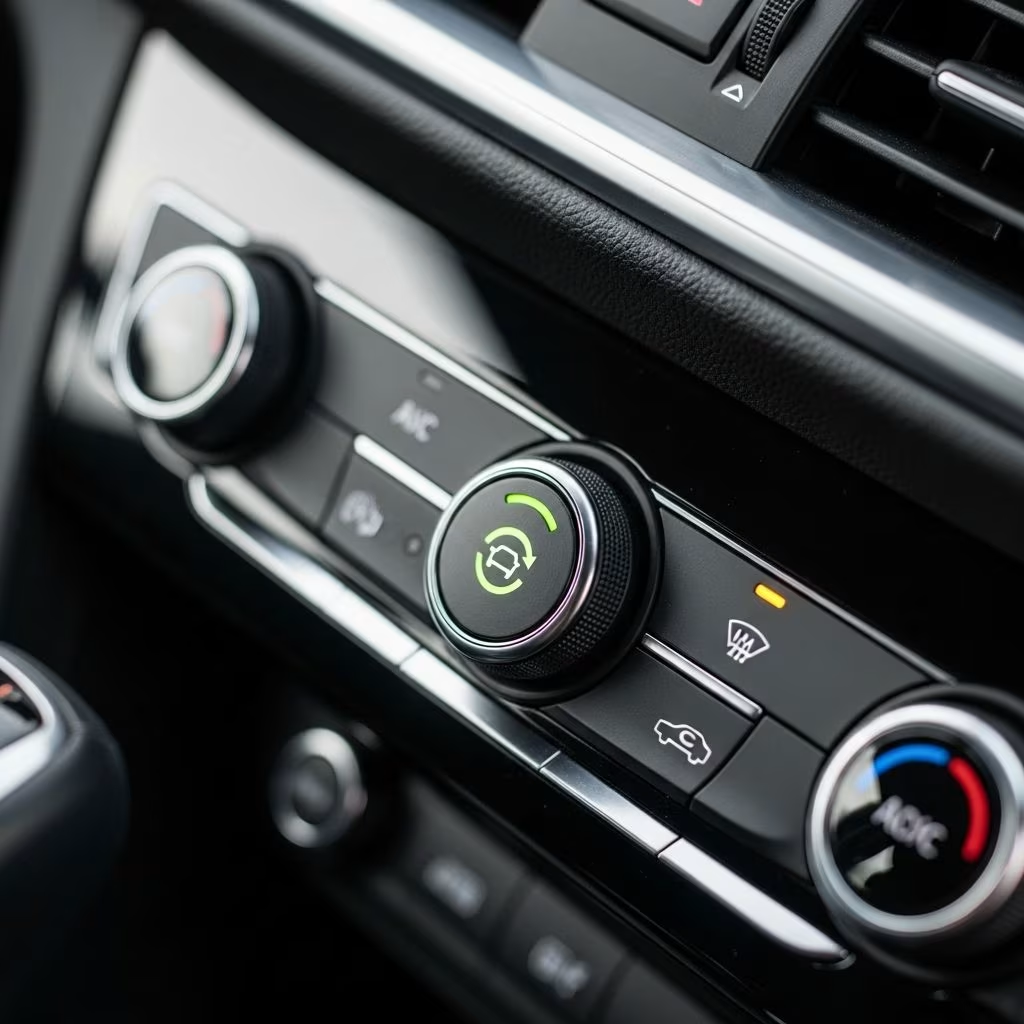
Travel EssentialsThe air recirculation button on your car’s dashboard is more than a simple switch—it’s a powerful tool for controlling cabin climate, boosting efficiency, and protecting your health on the road. By cycling internal air instead of drawing in outside air, it helps cool or heat your vehicle faster while filtering out external irritants. However, misuse can lead to stuffy cabins, fogged windows, or even drowsiness from poor air quality. This guide breaks down its mechanics, best practices, and pitfalls to help you drive smarter.
How the Air Recirculation System Works
At its core, the recirculation mode seals off outside air intake, redirecting the HVAC system to reuse cabin air. This closed-loop process allows the air conditioner or heater to work on already-conditioned air, making temperature changes quicker and more energy-efficient.
- Airflow Path in Recirculation: A damper closes the external air duct, forcing the blower to pull from inside the cabin, through filters, evaporator or heater core, and back out via vents.
- Fresh Air Mode Contrast: Opens the duct to intake ambient air, which passes through cabin filters before conditioning—ideal for ventilation but slower in extreme temperatures.
- Modern Variations: Many newer vehicles feature auto modes that blend both based on humidity sensors, balancing comfort and freshness.
Understanding this mechanism empowers drivers to toggle modes strategically, reducing wear on components like the compressor.
Key Benefits of Using Recirculation Mode
When activated correctly, recirculation enhances every drive by prioritizing efficiency and purity.
| Benefit | Description | Best Scenarios |
|---|---|---|
| Faster Cooling | AC focuses on pre-cooled cabin air, dropping temps 20-30% quicker than fresh mode. | Hot summer starts, heatwaves. |
| Pollutant Blockade | Blocks exhaust, dust, smoke, and pollen from entering. | Urban traffic, wildfires, construction zones. |
| Fuel Savings | Less compressor strain means lower engine load and better MPG. | Long highway drives with AC on. |
| Filter Longevity | Reduces external debris intake, extending cabin filter life. | Dusty roads, allergy seasons. |
These advantages make it indispensable for comfort-focused driving, especially in challenging environments.
Optimal Times to Activate Recirculation
Timing is everything—use it short-term for maximum gains without drawbacks.
- Initial Cool-Down Phase: Engage for 5-15 minutes after starting in hot weather to rapidly chill the cabin before switching to fresh air.
- High-Pollution Zones: Flip it on passing factories, traffic jams, or smoky areas to shield passengers from fumes.
- Allergy Relief: During pollen peaks, it minimizes airborne allergens, easing hay fever symptoms.
- Odor Avoidance: Bypass farm smells, roadkill, or diesel exhaust without compromising long-term air quality.
For best results in summer, pair with AC and moderate fan speeds to maintain even distribution.
Risks and When to Avoid Recirculation
Prolonged use traps exhaled gases and moisture, turning a convenience into a hazard.
- CO2 Buildup: On long drives or with full occupancy, oxygen depletes while carbon dioxide rises, causing fatigue and impaired alertness—critical safety risks.
- Window Fogging: Humidity recirculates, condensing on cold glass in wet or cool conditions, obscuring visibility.
- Stuffiness: Multiple passengers amplify staleness, leading to headaches or drowsiness.
- Dry Air Extremes: In very cold weather, it prevents beneficial fresh air exchange, drying out sinuses.
Avoid it entirely during winter defrosting, as fresh air dries windows faster.
Proven Strategies for Safe, Balanced Air Management
Smart drivers alternate modes and incorporate habits for optimal cabin health.
Long-Drive Protocol
For trips over an hour:
- Start with recirculation for quick cooling (10 mins max).
- Switch to fresh air to replenish oxygen.
- Every 60-90 minutes, crack windows 1-2 minutes for ventilation.
- Monitor for stuffiness; toggle if needed.
Fractional Recirculation Insights
Research shows blending 50-75% recirculation with fresh air cuts particulates while curbing CO2 spikes—safer than full modes.
Vehicle-Specific Tips
- Crowded Cars: Prioritize fresh air; use rear vents for even flow.
- Humid Climates: Brief bursts only to prevent mold in ducts.
- Maintenance Check: Clean cabin filters quarterly to maximize any mode’s effectiveness.
These tactics ensure alertness and comfort without excess fuel burn.
Advanced Features in Modern Vehicles
Today’s cars evolve beyond basic toggles.
- Auto Climate Sensors: Detect humidity/CO2, auto-switching for balance.
- Multi-Zone Systems: Independent driver/passenger recirculation.
- HEPA Filters: Paired with recirc, trap 99.97% of ultrafine particles.
- Air Quality Monitors: Dash alerts prompt mode changes.
Luxury models like those from Tesla or BMW integrate these for hands-free optimization.
Common Myths Debunked
Misinformation abounds—here’s the truth:
- Myth: Always On for Efficiency. False—leads to air quality drops outweighing savings.
- Myth: No Impact on Fuel. Wrong—reduces AC load by up to 10%.
- Myth: Safe in Winter. Nope—worsens defogging.
Frequently Asked Questions (FAQs)
What happens if I leave recirculation on for hours?
CO2 levels rise, oxygen falls, risking drowsiness—especially risky on highways or with kids.
Does it save gas?
Yes, by easing AC workload, but only short-term; balance with fresh air for health.
Why do my windows fog with it on?
Trapped moisture condenses—switch to fresh and use defrost.
Is it better for allergies?
Short use blocks pollen effectively; clean filters amplify benefits.
Can I use it with heat?
Limited value—prefer fresh air to avoid staleness in cold months.
Enhancing Your Drive with Proper Ventilation
Beyond the button, holistic habits elevate air quality: park in shade to ease initial loads, use sunshades, and service HVAC yearly. Track your vehicle’s manual for model quirks. Mastering recirculation transforms mundane commutes into refreshed journeys, safeguarding health while optimizing performance.

References
- The Silent Danger of Air Recirculation Mode While Driving Long Distances — AS AUTO Used Cars. 2023. https://www.asautousedcars.com/en/content/31095/the-silent-danger-of-air-recirculation-mode-while-driving-long-distances
- The Purpose of the Air Recirculation Button in Your Car — Eden Tyres & Servicing. 2023. https://www.edentyres.com/the-purpose-of-the-air-recirculation-button-in-your-car/
- What Does Your Car’s Recirculation Button Actually Do? — Click on Detroit. 2023-06-08. https://www.clickondetroit.com/tech/2023/06/08/what-does-your-cars-recirculation-button-actually-do-and-should-you-use-it/
- When NOT To Use The Air Recirculation Button | Car Top Tips — YouTube (Car Top Tips). 2023. https://www.youtube.com/watch?v=s_W1PSrjqL0
- Simultaneously reducing CO2 and particulate exposures via fractional recirculation — National Library of Medicine (PMC). 2017. https://pmc.ncbi.nlm.nih.gov/articles/PMC5544137/
More in Travel Essentials
Travel Essentials
Travel Essentials200+ Disney Instagram Captions for Magical Park Photos
Travel Essentials
