

 Travel Essentials
 Travel Essentials

Discover how to safely explore the Caribbean from June to November, including peak risks, low-risk islands, insurance must-haves, and emergency protocols amid lower crowds and prices.
 Travel Essentials
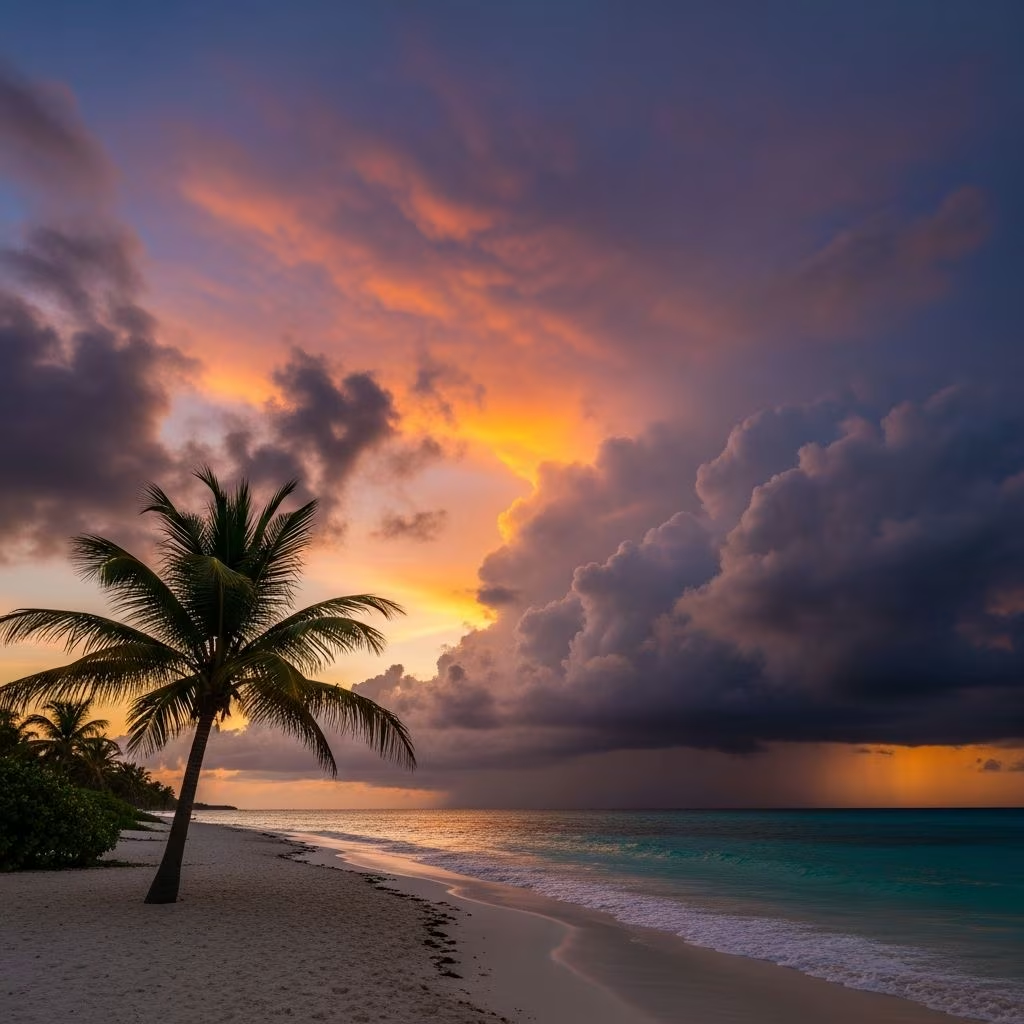
The Caribbean’s allure—pristine beaches, vibrant cultures, and turquoise waters—draws millions yearly. Yet, the Atlantic hurricane season, spanning June 1 to November 30, introduces weather uncertainties that savvy travelers can manage effectively. With peaks from mid-August to late October, this period offers fewer crowds and lower prices, making it an appealing choice if you’re equipped with knowledge and precautions.
Hurricanes thrive on warm ocean temperatures and atmospheric conditions, forming primarily in the tropical Atlantic. The National Oceanic and Atmospheric Administration (NOAA) reports an average of 14 named storms, 7 hurricanes, and 3 major hurricanes per season, with named storms emerging late June, hurricanes in August, and major ones from late August onward.
Historical data shows 99% of Caribbean hurricanes track westward, meaning storms east of your location often move away. Still, variability demands vigilance—no month is storm-proof.
While December-April offers peak sunshine and calm, it brings high costs and tourists. Hurricane season counters this:
| Aspect | Hurricane Season (Jun-Nov) | Dry Season (Dec-Apr) |
|---|---|---|
| Crowds | Lower, more serene beaches | High, packed resorts |
| Prices | 20-50% discounts on flights/hotels | Premium rates |
| Weather | Variable; sunny stretches common | Consistent sun, minimal rain |
| Risks | Hurricanes possible | Near-zero storm threat |
Many trips pass storm-free, rewarding budget travelers with authentic experiences.
No island is invincible, but southern and eastern spots face lower odds due to geography. The ABC islands (Aruba, Bonaire, Curaçao) north of Venezuela, Barbados, Grenada, and Trinidad & Tobago historically dodge direct hits.
Even these can see impacts (e.g., rare brushes like Beryl), so monitor forecasts.
Proactive steps minimize disruptions:
Arrival shifts focus to local intel:
If a storm nears:
| Saffir-Simpson Category | Winds (mph) | Actions |
|---|---|---|
| Tropical Storm | 39-73 | Secure outdoors; monitor closely |
| Category 1-2 | 74-110 | Evacuate low areas; board windows |
| Category 3-5 | 111+ | Mandatory evacuation; seek sturdy shelter |
Post-storm, await official all-clears before venturing out—floods pose secondary dangers.
Standard policies often exclude ‘foreseeable’ events, so seek ‘cancel for any reason’ upgrades. Key coverages:
Buy early—pre-existing conditions apply. NOAA data underscores value: seasons average multiple disruptions.
Veterans report September escapes to Curaçao yielding empty beaches and 40% savings. One diver in Bonaire enjoyed pristine reefs untouched by storms. Conversely, unprepared visitors in Puerto Rico during Irma faced delays but recovered via insurance. Key: Flexibility turns potential lemons into lemonade.
| Month | Storm Probability | Best For | Risks |
|---|---|---|---|
| June | Low | Early deals, western avoidance | Western Caribbean storms |
| July | Very Low | Southern islands | Minimal |
| August | High | ABC islands | Regional activity rises |
| September | Peak | Budget hunters | Frequent hurricanes |
| October | Peak | Southern edges | Strongest storms |
| November | Declining | Shoulder season | Tail-end systems |
Yes, with preparation. Millions visit annually without incident; risks are manageable.
Follow local orders: Evacuate if mandated, shelter interiors otherwise. Airports often close pre-storm.
No—southern ones like Aruba face far fewer direct hits.
Select policies do; confirm weather clauses.
Flexible options yes; many resorts offer credits.
Hurricane season unveils the Caribbean’s uncrowded charm. Informed choices—safer islands, robust insurance, vigilant monitoring—empower enjoyable trips. Embrace the adventure responsibly for unforgettable memories.
