

 Travel Essentials
 Travel Essentials

Discover Quebec City's legendary winter carnival featuring ice palaces, snow sculptures, thrilling sports, and traditional Québécois cuisine in one of the world's most celebrated winter celebrations.
 Travel Essentials
When temperatures plummet and snow blankets the streets of Quebec City, most people would retreat indoors. Not the residents of this vibrant French-Canadian capital. Instead, they embrace the harsh winter climate with unbridled enthusiasm through Carnaval de Québec, a spectacular 17-day celebration that transforms the frozen landscape into a winter wonderland. This world-renowned festival stands as North America’s largest winter celebration, drawing hundreds of thousands of visitors annually who come to experience an extraordinary blend of athletic competition, cultural traditions, culinary delights, and pure winter magic.
The roots of this magnificent festival stretch back more than a century. Beginning in 1894, Quebec City residents developed an unconventional response to their notoriously harsh winters—they decided to celebrate them rather than endure them in silence. What started as informal winter festivities eventually evolved into an organized celebration. The modern iteration took shape in 1955 when Bonhomme Carnaval, the festival’s beloved snowman mascot, made his inaugural appearance and captured the hearts of revelers. Since that pivotal year, the festival has been celebrated annually without interruption, becoming an integral component of Quebec’s cultural identity and civic pride.
The festival’s scale and influence have expanded dramatically over the decades. At its peak in 2006, the celebration attracted approximately one million attendees, making it the world’s largest winter festival at that time. Though other winter events have since grown larger, Carnaval de Québec remains the largest winter carnival in the Western Hemisphere and continues to draw international recognition as one of the planet’s most significant winter celebrations.
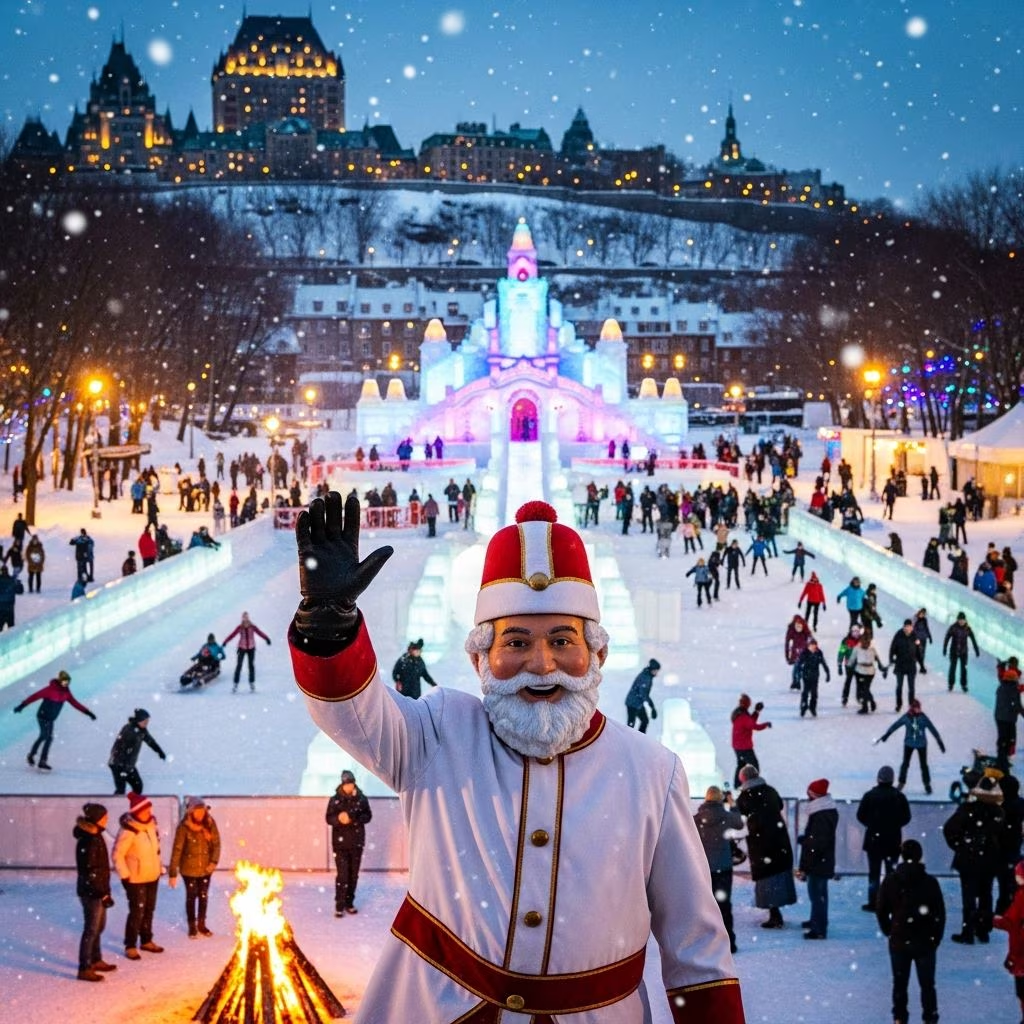
At the heart of Carnaval lies Bonhomme, an anthropomorphic snowman who serves as the festival’s symbol and spiritual guide. This iconic figure, dressed in his signature red arrowhead sash and sporting a perpetual smile, embodies the spirit of winter joie de vivre that defines the entire event. Bonhomme isn’t merely a mascot relegated to appearances; he actively participates in festival activities and serves as the central figure around which many celebrations revolve.
Each year, Bonhomme receives a new custom-designed ice palace that serves as his official residence during the carnival. These architectural marvels showcase exceptional ice-carving artistry, featuring intricate designs, illuminated interiors, and furniture crafted entirely from crystalline ice. Visitors who tour the palace experience both the technical mastery of the sculptors and the enchanting atmosphere created by the frozen medium. The palace opens daily during the festival, offering an immersive experience into the magical world that Bonhomme inhabits.
Carnaval transforms Quebec City into an athletic arena where competitors test themselves against extreme winter conditions. The festival hosts numerous sporting events that range from traditional winter activities to unique competitions found nowhere else on Earth.
Among the most exhilarating activities is the legendary glissade on Terrasse Dufferin, an expansive boardwalk overlooking the St. Lawrence River. For a modest fee, participants haul their toboggans to the top of a 100-meter-long ice slide and plunge downward at speeds approaching 70 kilometers per hour, all while enjoying panoramic views of the majestic Château Frontenac hotel. The combination of adrenaline-pumping speed and breathtaking scenery makes this one of the festival’s most memorable experiences.
The ice canoe races represent another festival highlight that showcases both athletic prowess and adventurous spirit. Competitors navigate teams of canoes across the frozen and semi-frozen waters of the St. Lawrence River, battling treacherous ice floes and challenging conditions. These extraordinary races demand exceptional skill, physical endurance, and a willingness to embrace calculated risk. The spectacle of watching paddlers navigate such perilous terrain has become legendary among carnival enthusiasts.
Beyond these signature events, the festival features diverse athletic competitions including dogsled racing, snowshoe marathons, snowboarding contests, and horse-drawn sleigh races. Many events are sanctioned World Championship tournaments, attracting elite athletes from across the globe to compete at the highest levels of their respective winter sports.
Among the festival’s most remarkable and peculiar spectacles stands the bain de neige, or snow bath, an event that defies conventional logic. Dozens of determined—or perhaps mildly deranged—volunteers don swimsuits and plunge into below-zero conditions, frolicking in the snow while pummeling each other with snowballs in the presence of Bonhomme Carnaval. The participants dance, cavort, and maintain surprisingly positive attitudes despite the bone-chilling temperatures, creating a scene that oscillates between hilarious and awe-inspiring. This spectacle perfectly encapsulates the festival’s philosophy: embrace winter’s extremes with humor, courage, and communal spirit. After their snow bath adventure, participants dash back to heated dressing rooms to recover their circulation and composure.
Carnaval transforms Quebec City into an open-air art gallery where the primary medium is snow and ice. The festival hosts multiple snow sculpture competitions that attract artists from across Canada, North America, and internationally. These competitions take place on the Plains of Abraham, a historic public park that becomes the visual centerpiece of the carnival.
The competing categories include the Canadian provinces competition, the Quebec regions competition, and an international competition that showcases artists from around the world. These sculptors create extraordinary works ranging from representation figures to abstract compositions, all while working in a medium that demands precision, artistic vision, and extraordinary technical skill. The quality and complexity of these sculptures astound visitors who may not have previously considered snow and ice as serious artistic mediums.
Beyond the formal competitions, the entire Old Town district becomes adorned with ice sculptures, decorative arrangements, and frozen embellishments. Benches sculpted from ice, statues depicting festival themes, and elaborate slides carved from compressed snow create a whimsical frozen landscape throughout the walled city. Illuminated ice displays transform the nighttime atmosphere into something approaching magical realism, with colorful light strands tracing tree contours and frozen structures glowing against the dark sky.
As darkness descends on Quebec City each evening, the festival’s energy doesn’t diminish—it transforms. Elaborate nighttime parades wind through the Upper Town’s historic streets, featuring whimsical floats representing Nordic themes, mythological creatures, and winter-inspired imagery. Floats depicting wolves, narwhals, and other arctic imagery create a surreal procession through centuries-old architecture, blending contemporary festive traditions with the city’s historic character.
The parades showcase creative design, impressive engineering, and extensive planning. Thousands of revelers line the streets, bundled in winter clothing, maintaining festive spirits despite subzero temperatures. The combination of illuminated floats, costumed performers, music, and jubilant crowds creates an atmosphere that resonates with genuine celebration and communal joy.
Carnaval dedicates substantial festival resources to creating a welcoming environment for families with children. Le Camping de Bonhomme serves as the primary family recreation zone, transforming a section of the city into a winter playground that carefully balances active entertainment with creative activities. This specially designated area features thrilling ziplines that allow children to experience aerial excitement, various ice slides catering to different age groups and comfort levels, and interactive winter games that encourage participation and engagement.
The family zone includes warming stations where visitors can escape the cold temporarily, indulge in hot beverages, and recover before returning to outdoor activities. Adult ice bars operate within the family zones, ensuring that parents can enjoy beverages while supervising their children’s amusement. The programming includes both active pursuits and quieter creative activities, recognizing that sustained outdoor time in extreme cold requires variety and rest opportunities.
Winter’s harsh conditions intensify the appeal of hearty, warming foods that have become traditional Carnaval fare. Quebec’s culinary traditions embrace rich, substantial dishes designed to provide warmth and sustenance during brutal winters. Cassoulet, a French-influenced bean and meat concoction, and bouillabaisse, a robust seafood stew, provide warming sustenance between outdoor activities. Raclette, with its melted cheese and hearty components, offers another traditional favorite that has become intertwined with carnival celebrations.
Large bowls of café au lait (coffee with hot milk) and chocolat chaud (hot chocolate) become essential components of the carnival experience, offering both literal warming properties and psychological comfort. These beverages, served throughout the city at various festival locations, transform from simple drinks into ritualistic elements of the celebration.
Carnaval introduces special wintry treats beyond traditional year-round fare. Beaver tails—paddle-shaped wedges of fried dough—rank among the most beloved carnival treats. These distinctive pastries can be topped with various combinations including chocolate-hazelnut spreads, cinnamon-sugar mixtures, and maple-based toppings, creating a dessert that perfectly captures the spirit of French-Canadian indulgence.
Caribou, a traditional Québécois alcoholic beverage, flows freely during the festival. This potent spirit mixture, served warming and sweet, has become iconic within carnival culture and represents the festive indulgence that characterizes the celebration. The combination of cultural authenticity and warming properties makes caribou an integral element of the authentic carnival experience.
Temperature and Clothing Considerations: Quebec winters demand serious preparation. During Carnaval, temperatures typically range from -20°C to -5°C (-4°F to 23°F). Despite these extreme conditions, Quebec’s crisp, dry cold proves more manageable than humid cold climates. Proper layering remains essential—thermal base layers, insulating mid-layers, and waterproof outer shells create an effective barrier against wind and precipitation.
Festival Pass Acquisition: Purchasing an effigy (festival pass) in advance provides cost savings and logistical convenience. Early purchase prices typically range around 25 Canadian dollars, compared to regular prices approaching 38 Canadian dollars. These passes grant access to various carnival activities and may provide discounts at festival vendors and attractions.
Accommodation Strategy: Booking accommodations well in advance remains crucial due to the festival’s popularity and the limited lodging available in Old Quebec City. Early reservation secures preferred locations and rates, avoiding last-minute premium pricing or availability constraints.
Timing and Duration: The festival typically occurs in early to mid-February and spans 17 days. First-time visitors might consider attending for 3-4 days to experience the essential attractions without experiencing extreme weather fatigue.
The festival takes place during the pre-Lenten period, typically in early to mid-February, spanning approximately 17 days.
Bonhomme is the festival’s beloved snowman mascot who represents the spirit of winter celebration. He resides in a custom-designed ice palace and participates actively in festival events.
The festival attracts hundreds of thousands of visitors annually and remains the largest winter carnival in the Western Hemisphere.
Proper winter layering is essential given typical temperatures ranging from -20°C to -5°C. Base layers, insulating mid-layers, waterproof outer shells, and protective accessories remain mandatory.
Yes. Le Camping de Bonhomme provides extensive family-friendly activities including age-appropriate ice slides, games, warming stations, and creative programming designed specifically for children.
Carnaval de Québec represents far more than a regional winter celebration. It embodies a fundamental philosophy: that harsh climates need not inspire resignation but rather creative celebration, communal participation, and joy. The festival successfully transforms severe winter conditions into opportunities for athletic achievement, artistic expression, cultural celebration, and shared human connection. From ice canoe races across frozen rivers to snow sculpture artistry on windswept plains, from elaborate nighttime parades to the infectious enthusiasm of thousands of bundled revelers, Carnaval captures something essential about human resilience and festive spirit. Whether you seek athletic thrills, artistic inspiration, cultural immersion, or simply the unique experience of celebrating winter on its own terms, Carnaval de Québec offers an unforgettable adventure into the heart of French-Canadian winter traditions.
