

 Travel Essentials
 Travel Essentials

Explore the world's premier Carnival events, featuring parades, costumes, music, and cultural rituals in destinations like Rio, Venice, and beyond.
 Travel Essentials
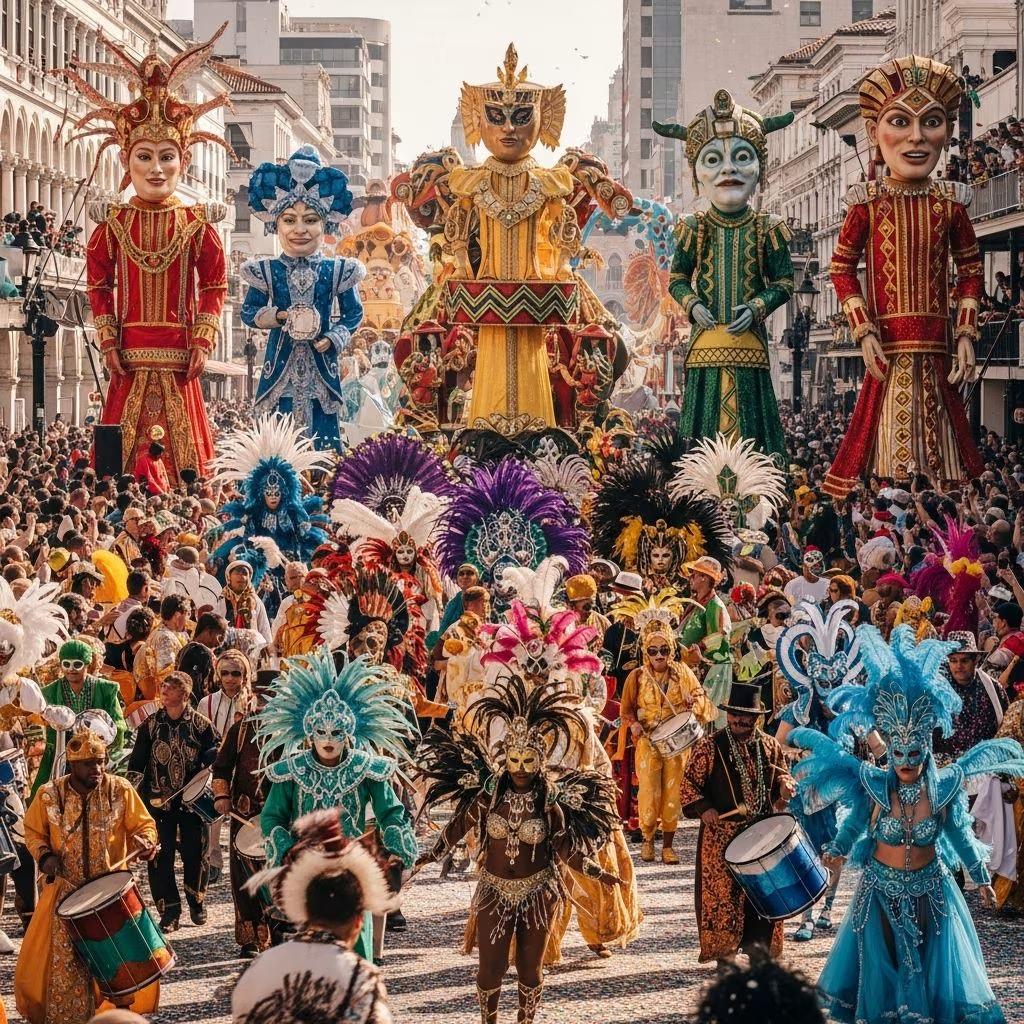
Carnival represents a global explosion of color, music, dance, and tradition, marking the joyful prelude to Lent in many cultures. These festivals transform cities into vibrant hubs of creativity and community, attracting millions to witness parades, costumes, and rituals passed down through generations.
Rooted in pre-Christian winter festivals and later intertwined with Christian observances, Carnival offers a final burst of indulgence before the austerity of Lent. Celebrations vary widely, from samba-driven extravaganzas in Latin America to elegant masquerades in Europe, each reflecting local history, folklore, and social dynamics. UNESCO recognizes several as intangible cultural heritage, underscoring their significance.
Attendance numbers are staggering: events like Brazil’s draw up to seven million visitors, blending street parties with organized spectacles. Timing typically aligns with February or March, though outliers like the Bahamas’ Junkanoo span late December to New Year’s.
Brazil hosts some of the planet’s most renowned Carnivals, with Rio de Janeiro leading as the epicenter of non-stop energy. This pre-Lenten festivity, held in February or March, features continuous revelry from the preceding Friday through Ash Wednesday. Key elements include all-day street blocos (impromptu parties) and nighttime samba school parades at the Sambódromo, a dedicated stadium where thousands of performers in glittering costumes compete on massive floats.
Rio’s scale is unmatched, hosting around seven million participants annually. Samba rhythms pulse through the city, fueled by food stalls offering cheese bread and croquettes. Beyond Rio, Olinda in northeastern Brazil captivates with massive papier-mâché puppets towering over cobblestone streets during street parties. Salvador da Bahia adds Afro-Brazilian flair with circuit-based parades featuring international DJs and local stars like Ivete Sangalo.
Europe’s Carnivals emphasize artistry and history. Venice, Italy, hosts a 20-day affair peaking in the final two weeks, where intricate masks and opulent gowns fill canalside alleys. Masquerade balls in historic palazzos draw crowds, evoking Renaissance splendor.
In Greece, Patras Carnival from January 17 to Clean Monday builds to fiery climaxes. Over 750,000 attendees enjoy balls, children’s events, and the Nihterini Podarati night parade, culminating in the ritual burning of the Carnival King’s float at sunset. Spain’s Sitges offers a hedonistic twist as one of Europe’s largest and most LGBTQ+-friendly events, with wild street parties for 300,000 revelers. France’s Nice Carnival, Europe’s biggest, spans two weeks with 11 parades, including a flower-throwing extravaganza.
The Americas extend Carnival’s reach. In the U.S., New Orleans’ Mardi Gras features bead-tossing krewes parading through the French Quarter, a tradition blending French, African, and Creole influences. Mexico’s Mazatlán hosts Latin America’s largest seaside Carnival, with brass bands, fireworks, and colorful processions along the oceanfront.
The Caribbean pulses with Crop Over in Barbados, a sugar harvest celebration amplified into a major fest with Rihanna as ambassador, drawing 100,000 for unity-themed parties. The Bahamas’ Junkanoo, from Boxing Day to New Year’s, showcases handmade costumes and cowbell-driven music in a post-Christmas frenzy.
Bolivia’s Oruro Carnival, a UNESCO masterpiece, unfolds over 10 days in February/March for 400,000 visitors. A 4km dawn-to-dusk parade honors the Virgin del Socavón with folk dances blending indigenous and colonial elements. Uruguay claims the world’s longest Carnival at 40 days in Montevideo, rooted in 18th-century African slave traditions with murgas (satirical street theater).
| Location | Best For | Duration | Attendance | Unique Feature |
|---|---|---|---|---|
| Rio de Janeiro, Brazil | Samba parades | ~5 days | 7 million | Sambódromo floats |
| Venice, Italy | Masks & balls | 20 days | Millions | Palazzo masquerades |
| Oruro, Bolivia | Folklore dances | 10 days | 400k | UNESCO heritage parade |
| Patras, Greece | Pyrotechnics | Jan-Mar | 750k | King’s float burning |
| Mazatlán, Mexico | Brass bands | Feb | Large | Oceanfront fireworks |
| Olinda, Brazil | Giant puppets | Feb/Mar | Regional draw | Papier-mâché giants |
| Sitges, Spain | Street parties | Pre-Lent | 300k | Gay-friendly revelry |
| Nice, France | Flower parades | 2 weeks | Millions | 100k flowers tossed |
Budget varies: Rio packages start at $1,500 including parades; smaller events like Oruro are more affordable. Sustainable travel tip: Support local artisans for costumes and food.
Rio de Janeiro’s, attracting up to 7 million with its samba parades.
Most in February/March before Lent, varying by location and lunar calendar.
Many have kids’ events (e.g., Patras), but adult-oriented parties dominate nights.
Opt for street blocos over ticketed parades; hostels and local eats keep costs low.
Yes, adapted versions exist globally, often blending indigenous festivals.
These festivals face challenges like overtourism and commercialization, yet communities strive to maintain authenticity. UNESCO listings for Oruro and others aid preservation. Visitors contribute by respecting customs, avoiding litter, and engaging respectfully.
In summary, Carnival’s diversity—from Rio’s thunderous drums to Venice’s whispered intrigues—makes it a bucket-list essential for cultural explorers.
