

 Travel Essentials
 Travel Essentials

Plan a memorable Carnival 2026 trip across Spain, from Tenerife’s giant parades to Cádiz’s satire, with top dates, traditions, and travel tips.
 Travel Essentials
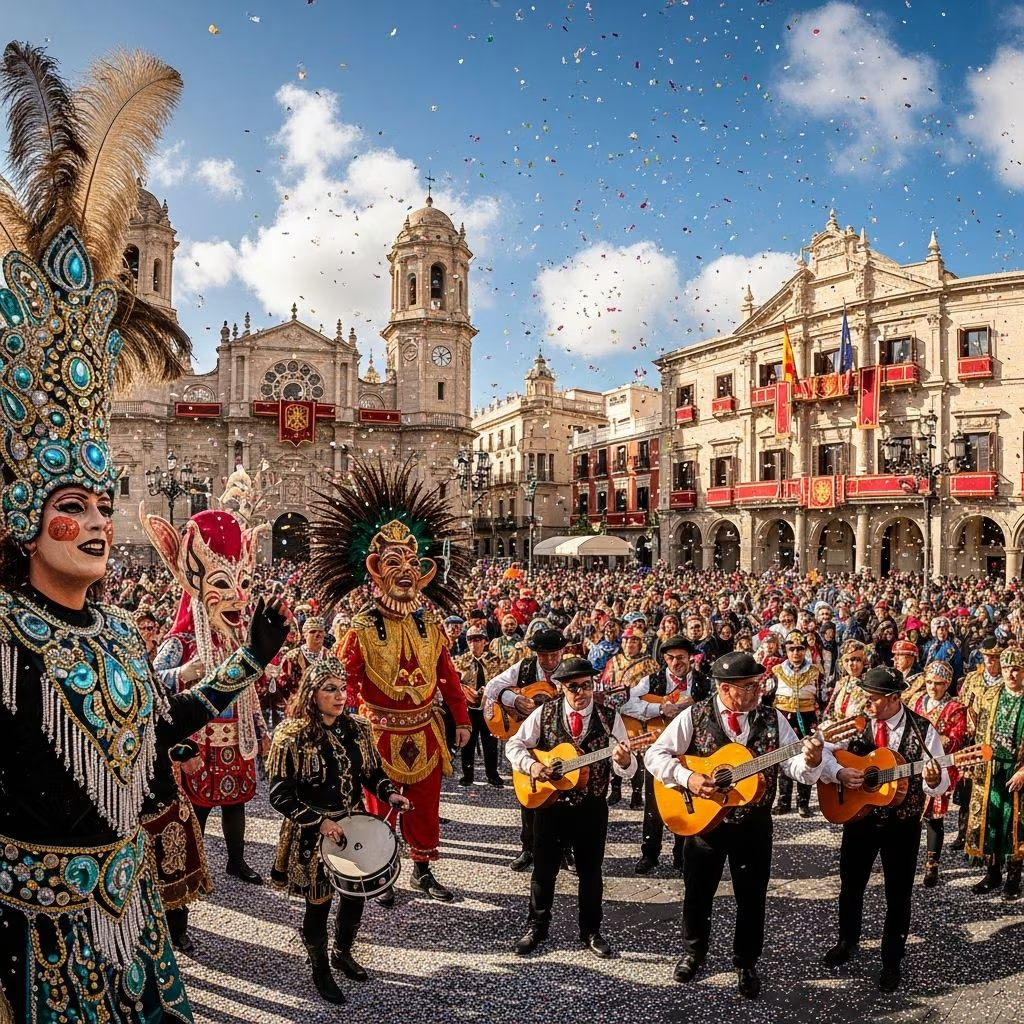
Every year, Spain transforms into a whirlwind of feathers, floats, and festive fervor during Carnival season, a pre-Lenten tradition rooted in centuries-old customs of satire, disguise, and communal revelry. In 2026, celebrations kick off as early as late January in the Canary Islands and stretch through mid-March in various regions, drawing millions to streets alive with music, dance, and elaborate costumes. This guide uncovers the premier destinations, their unique rituals, and practical advice to immerse yourself fully in the spectacle.
Carnival in Spain, known locally as Carnaval, embodies inversion of social norms where everyday rules dissolve amid masks and merriment. Participants don outrageous outfits symbolizing freedom and mockery of authority, from glittering gowns to satirical political garb. Core elements include grand parades with towering floats, musical troupes delivering humorous critiques, and symbolic closures like the ‘Burial of the Sardine’—a mock funeral representing the end of excess before Lent.
While national in scope, each locale infuses its flavor: Andalusian cities favor biting satire, Canary Islands boast massive pageants, and inland spots highlight folk customs. Expect family-friendly daytime events alongside lively nightlife, with gastronomic delights like regional sweets and hearty meats enhancing the feast.
Spain’s Carnival calendar peaks in February, but early starters in the Canaries set the tone. Here’s a curated selection of must-visit spots, complete with 2026 dates and highlights.
| Destination | Dates 2026 | Key Highlights |
|---|---|---|
| Las Palmas de Gran Canaria | Jan 23 – Mar 1 | Drag Queen Gala, Grand Parade (theme: Las Vegas), Taronjada |
| Santa Cruz de Tenerife | Jan 16 – Feb 22 (main events Feb 11-22) | Carnival Queen crowning, Coso Apoteosis Parade (theme: Latin Rhythms), Sardine Burial |
| Cadiz | Feb 12-22 | Chirigotas satire groups, street parades, endless nightlife |
| Sitges | Feb 7-18 | Fat Sunday & Shrove Tuesday parades with 50+ floats, gay-friendly festivities |
| Málaga | Feb 7-15 | Battle of Flowers, Comparsa contests, Burial of the Anchovy |
| Barcelona | Feb 12-18 | Neighborhood parades, Drag Queen Gala, Burial of the Sardine with fireworks |
| Verín (Ourense) | Feb 5-17 | Cigarróns masked figures, flour battles, local cuisine |
| Badajoz | Feb 13-22 | Murga contests, Grand Parade, Sardine Burial |
| Madrid | Feb 14 (main parade) | Grand Parade at Madrid Río, street theatre, Gigantes y Cabezudos |
| Alicante | Feb 12-22 | Correfocs fire parade, live music in Old Town |
The Canary Islands host two of Europe’s grandest Carnivals, declared Festivals of International Tourist Interest. In Santa Cruz de Tenerife, expect a sea of participants in the Coso Apoteosis, a parade rivaling Rio’s in scale, featuring synchronized dancers and colossal floats under the 2026 ‘Latin Rhythms’ theme. The Carnival Queen Gala dazzles with contestants in gowns weighing up to 100kg, adorned with plumes and sequins.
Over in Las Palmas de Gran Canaria, the longest-running festivity spans over a month. Highlights include the Drag Queen Gala’s flamboyant shows, the Carnival King’s Parade, and the chaotic Taronjada—orange-throwing mayhem symbolizing fertility. The 2026 Las Vegas theme promises neon-lit floats and casino-inspired revelry, culminating in the Sardine Burial.
Andalusia pulses with Carnival’s most irreverent spirit. Cadiz reigns supreme with chirigotas—roaming choirs whose clever lyrics lampoon politicians and celebrities. Days blend family parades with evening satire contests; nights erupt in street parties till dawn.
Málaga‘s nine-day bash centers on Plaza de la Constitución, where comparasas (satirical groups) compete at Cervantes Theatre. The Battle of Flowers dazzles with flower-decked carriages, while the Burial of the Anchovy on Malagueta Beach sees a giant fish effigy torched amid cheers.
Sitges Carnival is a beacon for LGBTQ+ travelers, famed for sensual, extravagant costumes in its twin parades: Fat Sunday’s elegance and Shrove Tuesday’s wild ‘Extermini.’ Over 3,000 participants on 50 floats create a sensual street party atmosphere.
In Barcelona, festivities scatter across neighborhoods like El Born and Sants-Montjuïc. Expect multicultural parades, a Dog Carnival, and the fiery Rua de la Disbauxa, ending with sardine burials and fireworks.
Inland, Verín offers rustic charm with cigarróns—horned maskers wielding cowbells and whips in flour fights. Pair parades with Galician feasts like lacón (cured pork) and bica blanca pastries.
Madrid‘s Carnival shines on February 14 with a 1pm parade from Puente de Toledo, blending circus acts, giant puppets, and diverse cultural troupes for an inclusive vibe.
Alicante ignites with a Correfocs fire parade on opening night, followed by music-filled weeks in the Rambla de Méndez Núñez.
Other gems include Badajoz‘s murga competitions and massive parades, Seville‘s choral satire at FIBES, and Valencia‘s street events.
Book accommodations early—hotels in Tenerife and Cadiz fill months ahead. Most events are free, but prime viewing or contests may require tickets. Weather is mild (15-20°C), but pack layers for evenings. Respect local customs: no photos without consent in satirical zones; arrive hungry and hydrated.
Travel tips: Fly into Tenerife South or Gran Canaria airports for islands; high-speed trains link mainland spots efficiently. Use public transport during peak traffic.
Main events cluster February 7-22, with Canaries starting January. Check city-specific dates.
Yes, daytime parades suit all ages; evenings skew adult-oriented.
Not mandatory, but highly encouraged for immersion. Many rent on-site.
A symbolic funeral procession and burning of a sardine effigy, marking Carnival’s end.
Check local guidelines closer to dates; events are outdoors with crowds.
Beyond parades, Carnival fosters community and creativity, offering a raw glimpse into Spanish culture. Whether chasing Canary grandeur or Andalusian wit, 2026 promises unforgettable memories amid Spain’s festive soul.
