

 Travel Essentials
 Travel Essentials

Complete travel guide to Carrabelle, Florida featuring beaches, fishing, attractions, dining, and outdoor activities for an authentic Gulf Coast experience.
 Travel Essentials
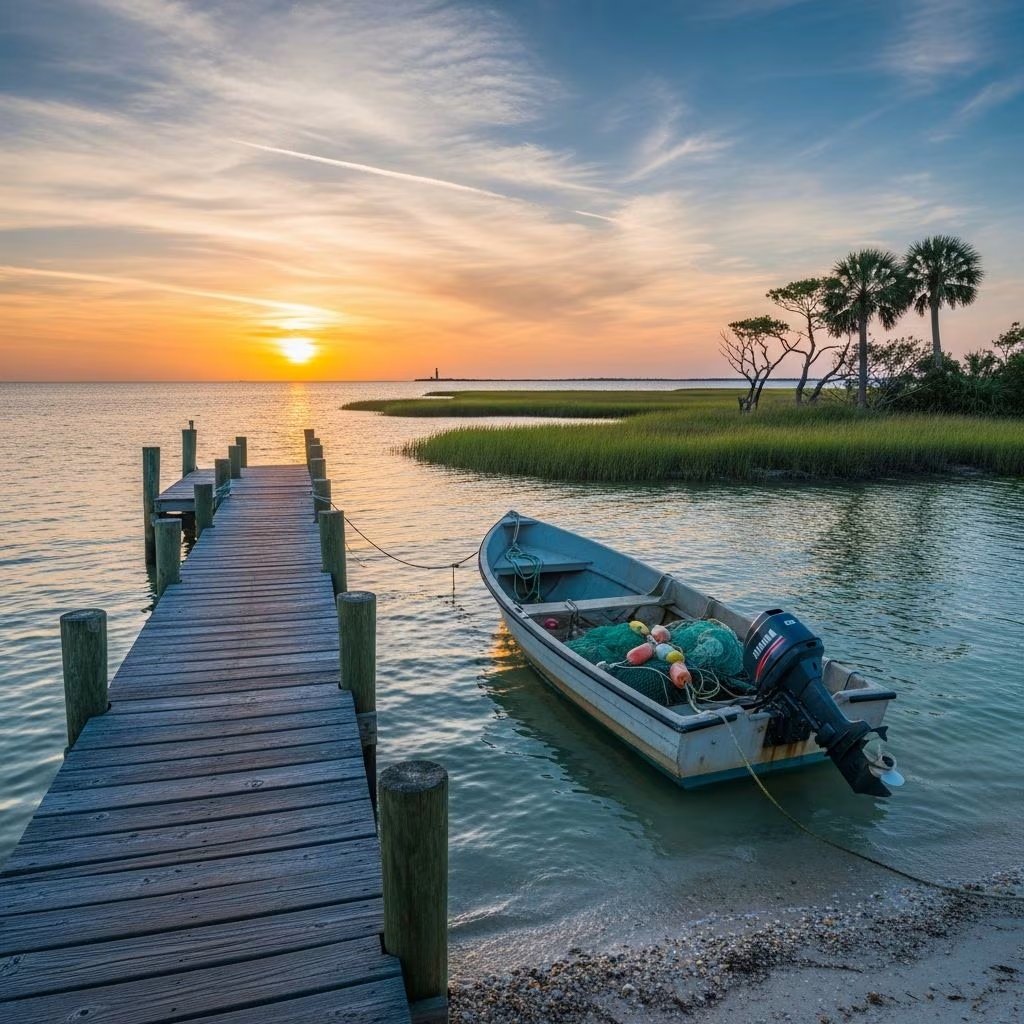
Nestled along the Florida Panhandle, Carrabelle represents a quintessential escape for travelers seeking authentic Gulf Coast experiences without the overwhelming crowds found in more commercialized beach destinations. This charming fishing village, often referred to as the gateway to the Forgotten Coast, offers visitors an opportunity to experience Old Florida character while enjoying modern amenities and diverse recreational opportunities.
Carrabelle functions as a vital hub for the Forgotten Coast region, a designation that reflects the area’s preservation of traditional maritime heritage and natural landscapes. The community sits strategically along the Carrabelle River, providing direct access to Gulf waters and extensive salt marshes that define the region’s ecological significance. Unlike heavily developed beach towns, Carrabelle maintains its small-town character while welcoming visitors interested in genuine coastal culture rather than resort-style entertainment.
The location offers strategic advantages for travelers exploring Northwest Florida. Approximately 54 miles from Tallahassee via US-319 South and US-98 West, Carrabelle serves as a comfortable base for day trips throughout the Panhandle region. The drive typically requires between 70 and 90 minutes, traversing scenic forest and coastal landscapes that establish the region’s natural appeal.
Carrabelle’s beaches define much of the destination’s appeal, featuring the white sand and pristine waters characteristic of the Gulf Coast. The primary Carrabelle Beach, situated 1.5 miles west of town, provides accessible facilities including public restrooms and picnic areas, making it ideal for families and casual visitors. This uncrowded shoreline accommodates various activities from swimming and sunbathing to surf fishing without the congestion experienced at major tourist beaches.
For travelers seeking more secluded experiences, Alligator Point presents a remote peninsula located approximately 15 minutes east of Carrabelle. This destination appeals to visitors prioritizing solitude and natural surroundings over developed amenities. The area’s pristine conditions and minimal development preserve authentic coastal ecosystems while offering exploration opportunities for nature enthusiasts.
St. George Island State Park, accessible within a 20-minute drive, represents another significant beach destination. This protected area features distinctive sugar-sand beaches, stabilized dunes, and an extensive network of boardwalk trails and observation platforms. The park’s comprehensive trail system and biking opportunities provide diverse recreation options beyond traditional beach activities. The island’s recognition as one of America’s top three beaches underscores the region’s natural quality.
Carrabelle’s maritime heritage centers on its exceptional fishing opportunities, attracting enthusiasts seeking both offshore and freshwater experiences. The community’s working waterfront maintains full-service marinas that facilitate access to Gulf waters, with professional guides available for customized fishing expeditions. This infrastructure supports various fishing methodologies targeting multiple species throughout seasonal cycles.
Offshore fishing opportunities attract serious anglers seeking trophy-sized catches and professional charter experiences. The nearby Gulf waters provide habitat for species supporting both recreational and commercial fishing industries. Visitors can arrange guided trips through established marina operators who coordinate equipment, vessel access, and expertise.
Kayaking and paddling activities complement fishing opportunities while offering lower-intensity water exploration. The intricate system of waterways, marshes, and river channels provides scenic paddling routes suitable for varying skill levels. These water-based adventures allow intimate interaction with the region’s natural ecosystems while remaining accessible to recreation-casual visitors.
Carrabelle’s historical significance reflects its maritime past and strategic location throughout Florida’s development. The Crooked River Lighthouse, originally constructed in 1895, stands as the community’s most iconic structure. This navigational landmark, now functioning as a museum, invites visitors to ascend to elevated vantage points offering panoramic Gulf views. The adjacent Keeper’s House Museum provides interpretive context regarding the lighthouse’s operational history and the individuals who maintained this essential navigation aid.
The Carrabelle History Museum serves as the primary repository for community historical artifacts and interpretive materials. This institution curates collections documenting the region’s maritime heritage, local personalities, and development trajectory. Visitors gain comprehensive understanding of how fishing, transportation, and commerce shaped Carrabelle’s identity and influenced broader Panhandle development patterns.
The Camp Gordon Johnston Museum preserves military history from the World War II era when the site functioned as an active military installation. This facility offers historical education regarding Florida’s role in national defense and the individuals who served at this strategic location. The museum provides context for understanding how wartime developments influenced subsequent coastal community evolution.
Tate’s Hell State Forest represents one of the region’s most significant natural areas, encompassing extensive acreage of diverse ecosystems. This protected forest features comprehensive trail networks accommodating hiking and biking enthusiasts while providing wildlife viewing opportunities. The ecosystem’s name references historical events while the forest itself protects important habitats supporting native flora and fauna.
The Apalachicola National Estuarine Research Reserve provides scientific and recreational opportunities for understanding complex coastal ecosystem dynamics. This designated area protects critical saltwater and freshwater interface zones that support diverse species and provide essential nursery habitats for commercially important seafood species. Educational facilities at the reserve explain ecosystem functions and conservation significance while accommodating recreational activities including hiking and wildlife observation.
St. George Island offers additional natural area exploration through designated preserves and state park facilities. The High Bluff Coastal Trail provides scenic Gulf views while traversing natural landscapes relatively undisturbed by development. These natural areas collectively protect significant environmental resources while remaining accessible for visitor experiences ranging from casual observation to intensive ecological study.
| Activity Type | Location | Distance from Downtown | Best Season |
|---|---|---|---|
| Swimming and Sunbathing | Carrabelle Beach | 1.5 miles | Year-round |
| Kayaking | River channels and marshes | Variable | Spring-Fall |
| Hiking | Tate’s Hell State Forest | Adjacent | Fall-Spring |
| Lighthouse tours | Crooked River Lighthouse | In town | Year-round |
| Fishing charters | Marina facilities | In town | Year-round |
| Wildlife viewing | Apalachicola Reserve | East on US-98 | Winter months |
Carrabelle’s subtropical location provides year-round destination appeal while specific seasons emphasize different recreational opportunities. Fall and spring months offer temperate conditions favorable for outdoor activities, hiking, and wildlife observation. Summer months feature warm water temperatures supporting swimming and water sports, though afternoon thunderstorms become increasingly common. Winter months attract visitors seeking mild temperatures while avoiding northern cold, and coincide with prime wildlife viewing periods as migratory species occupy coastal habitats.
Carrabelle’s food establishments reflect coastal community traditions emphasizing fresh seafood and local ingredients. Waterfront restaurants capitalize on fishing heritage, typically featuring daily catches prepared using traditional coastal methodologies. These establishments offer casual atmospheres consistent with the destination’s unpretentious character while maintaining quality standards appealing to discerning travelers.
Local dining venues often emphasize seafood specialties including grouper, snapper, and shrimp reflecting the region’s fishing productivity. Family-owned restaurants maintain traditional recipes and preparation methods rather than pursuing trendy culinary innovations. This dining approach resonates with visitors seeking authentic coastal experiences and regional flavor profiles.
Lodging facilities throughout Carrabelle accommodate varying visitor preferences and budget considerations. Options range from vacation rental properties providing home-like accommodations to established hospitality facilities offering standard hotel services. Many properties maintain convenient locations relative to downtown attractions, beaches, and marina facilities.
Visitors should consider accommodation timing, particularly during peak season when availability becomes constrained and pricing increases. Off-season visits offer greater flexibility and reduced rates while maintaining access to substantial recreational opportunities. Waterfront properties provide immediate access to maritime activities while inland locations typically offer more economical rates.
A comprehensive Carrabelle visit typically spans two to three days, accommodating beach time, attraction visits, and water-based recreation. Day one might emphasize orientation through lighthouse visits and local history museum exploration. Day two provides opportunities for water activities including fishing charters, kayaking excursions, or beach relaxation. Day three allows exploration of surrounding natural areas including state forests and designated preserves.
Visitors prioritizing specific interests should structure itineraries accordingly. Serious fishermen benefit from multiday charter scheduling and marina facility orientation. Nature enthusiasts optimize experiences through guided tours at ecological preserves and forest trail exploration. Families balance attraction visits with beach time and casual dining experiences.
Carrabelle’s accessibility via established highway corridors simplifies travel planning for visitors from surrounding regions. The primary route from Tallahassee utilizes US-319 South transitioning to US-98 West, offering scenic drives through forested landscapes and establishing geographic context. Alternative routes and side trips along the Big Bend Scenic Byway enhance overall travel experiences through additional perspective on the broader regional landscape.
Visitors from distant origins benefit from analyzing route options relative to departure points. Direct highway access contrasts with the destination’s small-town character, creating interesting juxtapositions between modern transportation infrastructure and historical community preservation.
Carrabelle’s identity centers on preservation of maritime heritage and ecological integrity rather than commercial development. This commitment manifests through limited sprawl, maintained natural areas, and community emphasis on sustainable tourism. Visitors seeking authentic experiences find Carrabelle’s character fundamentally distinct from resort-oriented destinations prioritizing accommodation volume and entertainment infrastructure.
The “Forgotten Coast” designation reflects deliberate regional positioning emphasizing remoteness and preservation. This branding appeals to travelers fatigued by congested tourist destinations and seeking genuine interaction with community character and natural systems. The area’s relative anonymity in broader tourism markets preserves qualities that define its appeal for discerning visitors.
Carrabelle maintains small-town character, limited commercial development, and emphasis on authentic maritime heritage rather than resort infrastructure. The community prioritizes ecological preservation while remaining accessible for diverse recreational activities.
Fall and spring provide temperate conditions and reduced visitor congestion. Summer offers warm water temperatures for swimming. Winter attracts those seeking mild weather and experiencing peak wildlife observation periods.
Offshore and inshore fishing options accommodate varying expertise levels. Professional charter services provide guidance, equipment, and vessel access for both beginning and experienced anglers.
Yes, beaches suitable for children, lighthouse tours, museums, and state parks provide diverse family activities. The community maintains relatively safe conditions and uncrowded recreational areas.
Approximately 54 miles from Tallahassee, requiring roughly 70-90 minutes driving time. The location provides reasonable accessibility while maintaining distance from major metropolitan congestion.
