

 Travel Essentials
 Travel Essentials

Discover practical strategies to optimize carry-on luggage for extended trips, from smart folding techniques to strategic item selection.
 Travel Essentials
Traveling with just a carry-on bag for extended trips requires more than luck—it demands strategic planning, intelligent packing methods, and a clear understanding of what truly matters for your journey. Whether you’re embarking on a two-week adventure across Europe or a month-long exploration of Southeast Asia, the ability to pack efficiently can transform your travel experience from stressful to seamless.
Before diving into packing techniques, it’s essential to understand exactly what you’re working with. Carry-on dimensions vary slightly between airlines, but most standard carry-on bags measure approximately 22 x 14 x 9 inches. Weight restrictions typically range from 25 to 40 pounds, depending on your airline. Rather than viewing these limitations as constraints, consider them as opportunities to become a more intentional traveler.
The key advantage of a carry-on is avoiding checked baggage fees, reducing the risk of lost luggage, and maintaining flexibility throughout your journey. However, this benefit only materializes when you pack strategically. Understanding your specific airline’s policies before packing prevents last-minute surprises at the gate.
Look for carry-on bags featuring expandable compartments, TSA-approved locks, lightweight construction, and 360-degree spinner wheels for optimal functionality. Multiple organized compartments allow you to separate electronics, toiletries, and clothing, making airport security screening and daily packing much more efficient.
The most common packing mistake is overestimating how much clothing you actually need. A strategic approach involves planning your wardrobe around a color palette that coordinates effortlessly. Select three neutral base colors—typically black, navy, or khaki—and build outfits around these anchors. This approach instantly multiplies outfit combinations without adding excessive garments.
The 5-4-3-2-1 method provides an excellent framework for extended travel. This system involves packing five tops, four bottoms, three pairs of shoes, two accessories, and one swimsuit or special-occasion item. This formula naturally prevents overpacking while ensuring sufficient variety for different activities and weather conditions.
When selecting individual pieces, prioritize items that serve multiple purposes. A lightweight cardigan functions as a layering piece, a beach cover-up, and an office-appropriate layer. Neutral-colored pants work for casual exploration and more formal dining experiences. This versatility maximizes outfit combinations while minimizing baggage volume.
Extended travel often spans varying weather conditions and seasons. Rather than packing season-specific clothing, choose versatile fabrics that adapt to temperature fluctuations. Lightweight, breathable materials that resist wrinkles become invaluable assets for extended trips.
Implement a layering strategy using base layers, mid-layers, and outer layers. Base layers like fitted t-shirts and tanks provide foundational coverage. Mid-layers such as cardigans and lightweight hoodies add warmth without bulk. Outer layers including light jackets and packable raincoats handle weather variations. This approach uses significantly less luggage space than packing separate cold and warm weather outfits.
Merino wool represents an excellent fabric choice for extended travel, particularly when laundry facilities are limited or infrequent. Merino wool naturally resists odors, regulates temperature effectively, and maintains its appearance despite minimal washing. This single fabric innovation can reduce the number of clothing items you need to pack by 30-40 percent.
How you arrange clothing dramatically impacts how much fits into your carry-on. The traditional folding method—stacking clothes in neat piles—wastes considerable space and often results in excessive wrinkles.
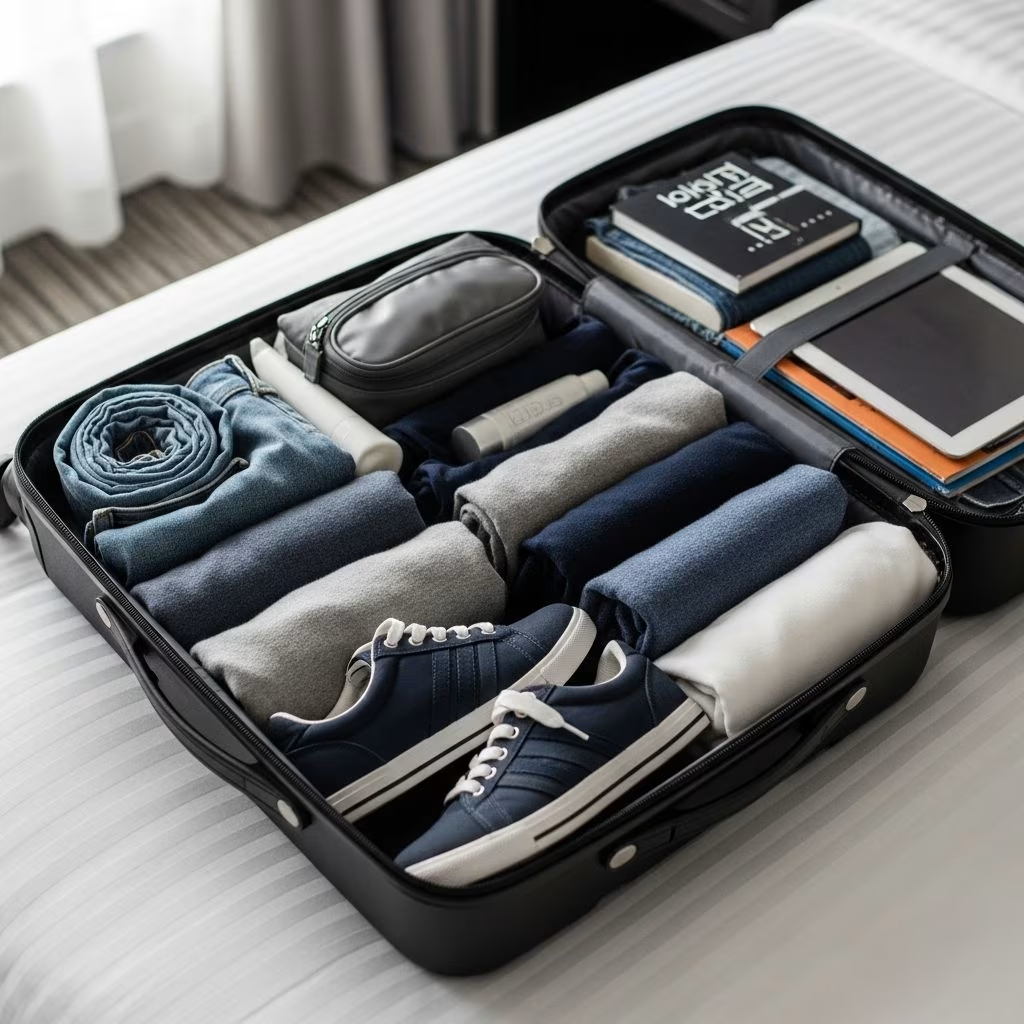
Rolling clothes tightly minimizes wrinkles while saving space, making this method ideal for casual wear like t-shirts, jeans, and activewear. A single rolled pair of pants occupies significantly less space than a folded pair, allowing you to fit three rolled pairs in the same footprint as one folded pair.
However, rolling works less effectively for structured or delicate items. Blazers, dress shirts, and formal garments maintain their shape better when folded carefully. The hybrid approach combines both methods strategically—rolling casual everyday clothing while folding formal or delicate pieces—delivering optimal results.
The bundle wrapping technique represents an advanced space-saving method that simultaneously minimizes wrinkles. This approach involves laying largest items flat, layering smaller pieces on top, and wrapping everything around a central core of soft items. The resulting compact bundle preserves garment condition while maximizing space efficiency.
An alternative vertical folding method involves folding items to match your packing cube width, then arranging them vertically like books on a shelf. This organization system dramatically improves visibility, allowing you to see every piece at a glance, and prevents the need to excavate your entire bag to find a specific item.
Packing cubes have revolutionized carry-on travel for extended trips, and for good reason. These lightweight fabric compartments organize clothing by category, compress items slightly, and dramatically improve accessibility.
An effective packing cube system involves dedicating specific cubes to specific clothing types: one for tops, another for bottoms, separate cubes for underwear and accessories. This categorical organization prevents the chaos of rummaging through your entire suitcase when searching for specific items.
Advanced packing cube strategies maximize their benefits further. Slim packing cubes fit between trolley handles, utilizing otherwise wasted space. Some travelers use compression cubes to reduce bulky items, though these add weight quickly and should be used sparingly. Experimenting with different cube configurations—some laying flat, others stacked on their edges—reveals optimal arrangements for your specific luggage and packing style.
For short stays, you can slide packing cubes directly into hotel drawers without unpacking, maintaining organization throughout your trip. For worn items during longer stays, packing cubes help keep clean and dirty clothes separated, reducing laundry stress.
Where you place items within your carry-on significantly impacts accessibility and luggage performance. The heaviest items—shoes, toiletry bags, and dense clothing—should sit at the bottom near the wheels. This placement maintains proper luggage balance, makes rolling easier, and protects more delicate items positioned above.
Follow the “rocks, pebbles, and sand” principle when packing. Place largest items first, then fill remaining spaces with progressively smaller items. This method prevents the frustration of discovering insufficient space for essential items after you’ve already filled your bag with smaller belongings.
Toiletries and electronics deserve special attention. Keep electronics accessible in exterior pockets for security screening, preventing unnecessary bag opening and repacking. Toiletries should go in a dedicated dopp kit or waterproof bag, protecting your clothing from potential spills.
Extended travel often means rewearing certain clothing items, requiring strategies that preserve cleanliness and freshness between washes. Thin panty liners inserted inside shirt armpits absorb moisture and odors, effectively extending wear duration between washes. This simple addition can increase wearable days per shirt by 30-50 percent without adding noticeable bulk.
Compression bags deserve careful consideration for extended trips. While they dramatically reduce bulky items like sweaters and jackets, compression also creates wrinkles in many fabrics. Use compression bags selectively for items less sensitive to creasing, and avoid compressing delicate fabrics that require careful handling.
Laundry management becomes increasingly important during extended travel. Pack concentrated laundry detergent sheets for sink laundering, allowing you to hand wash items during your journey. This approach reduces the total clothing volume needed by 40-50 percent, as you’re not carrying multiple sets of everything from start to finish.
Shoes represent the most space-demanding clothing category, yet most travelers overpack options. Limit yourself to two carefully selected pairs: one comfortable walking shoe for exploration and casual activities, and one versatile option for dining and slightly dressier occasions.
Select shoes that perform multiple functions. Quality walking shoes should be genuinely comfortable for extended exploration. The second pair should complement most outfits in your color palette while remaining comfortable enough for all-day wear. This dual-shoe approach covers virtually every travel scenario while consuming minimal luggage space.
Stuff socks, underwear, or small accessories inside shoes to maximize space utilization. This nesting strategy transforms shoes from pure storage consumers into multifunctional compartments that hold additional items while traveling to your destination.
One of the most effective packing strategies involves wearing your bulkiest items during travel days rather than packing them. Your heaviest jacket, warmest sweater, or most substantial boots occupy suitcase space on travel days but fit perfectly on your body. This approach simultaneously saves luggage space and helps regulate body temperature in chilly airports and aircraft cabins.
Layering during travel also provides flexibility for temperature fluctuations. You can remove layers as you move through warm airports or airline cabins, then add them back as needed. This practical strategy reduces the need for temperature-specific clothing packed in your bag.
Beyond clothing, several key items deserve carry-on space for extended trips. Electronics including chargers, adapters, and charging cables should stay accessible and organized in a dedicated pouch. Keep headphones, portable battery packs, and other device accessories together for quick airport security screening.
Toiletries require careful attention regarding liquid restrictions and weight. Solid alternatives to liquid products—solid shampoo bars, dry deodorant, toothpaste tablets—reduce weight and comply with TSA regulations. Smaller quantities of essential liquids fit easily within TSA’s 3.4-ounce container requirements.
Documentation, medications, and valuable items should never go in checked luggage when traveling with carry-on only. Keep your passport, travel insurance documents, and essential medications in an easily accessible location, preferably within reach throughout your journey.
The bundle wrapping technique minimizes wrinkles by distributing pressure evenly across fabrics. Additionally, wrinkle-resistant fabric choices and hybrid folding-rolling methods reduce creasing. Upon arrival, hanging garments in a steamy bathroom naturally reduces wrinkles without requiring an iron.
Prioritize merino wool and other odor-resistant fabrics that require less frequent washing. Pack concentrated laundry detergent sheets for sink laundering. Strategic hand washing every 5-7 days reduces necessary clothing volume significantly.
Yes, with strategic planning. The combination of careful item selection, efficient packing methods, and mid-trip laundry makes month-long carry-on travel entirely feasible. The 5-4-3-2-1 method provides an excellent framework for extended journeys.
Choose lightweight luggage, prioritize lightweight fabrics, and consider investing in a luggage scale for home pre-packing weighing. Avoid unnecessary duplicate items and compress only bulky non-dense items. Wear your heaviest items during travel rather than packing them.
