

 Travel Essentials
 Travel Essentials

Discover modern carry-on packing strategies that maximize space and minimize stress for frequent fliers in 2026.
 Travel Essentials
Frequent travelers understand that mastering carry-on packing is more than just cramming items into a bag—it’s a strategic approach that balances preparation with practicality. As travel patterns have evolved through 2026, seasoned fliers have developed refined techniques to streamline their journeys while maintaining comfort and convenience. This guide explores modern strategies for optimizing your carry-on experience, drawing on insights from experienced travelers and contemporary packing innovations.
The success of any carry-on strategy begins with selecting appropriate luggage. A well-designed carry-on spinner suitcase with expandable compartments provides flexibility for varying trip lengths while remaining within airline size restrictions. The spinner design eliminates the need for lifting, reducing fatigue during airport navigation and reducing strain on shoulders when traveling through terminals.
Beyond the primary suitcase, complementary bags serve specific functions. A structured weekender bag accommodates short journeys and serves as a secondary carry-on for ferry or regional travel. For day-trip excursions from your hotel, a collapsible tote bag maximizes packing efficiency by remaining flat until needed, then expanding to hold shopping purchases or necessities without consuming permanent luggage space.
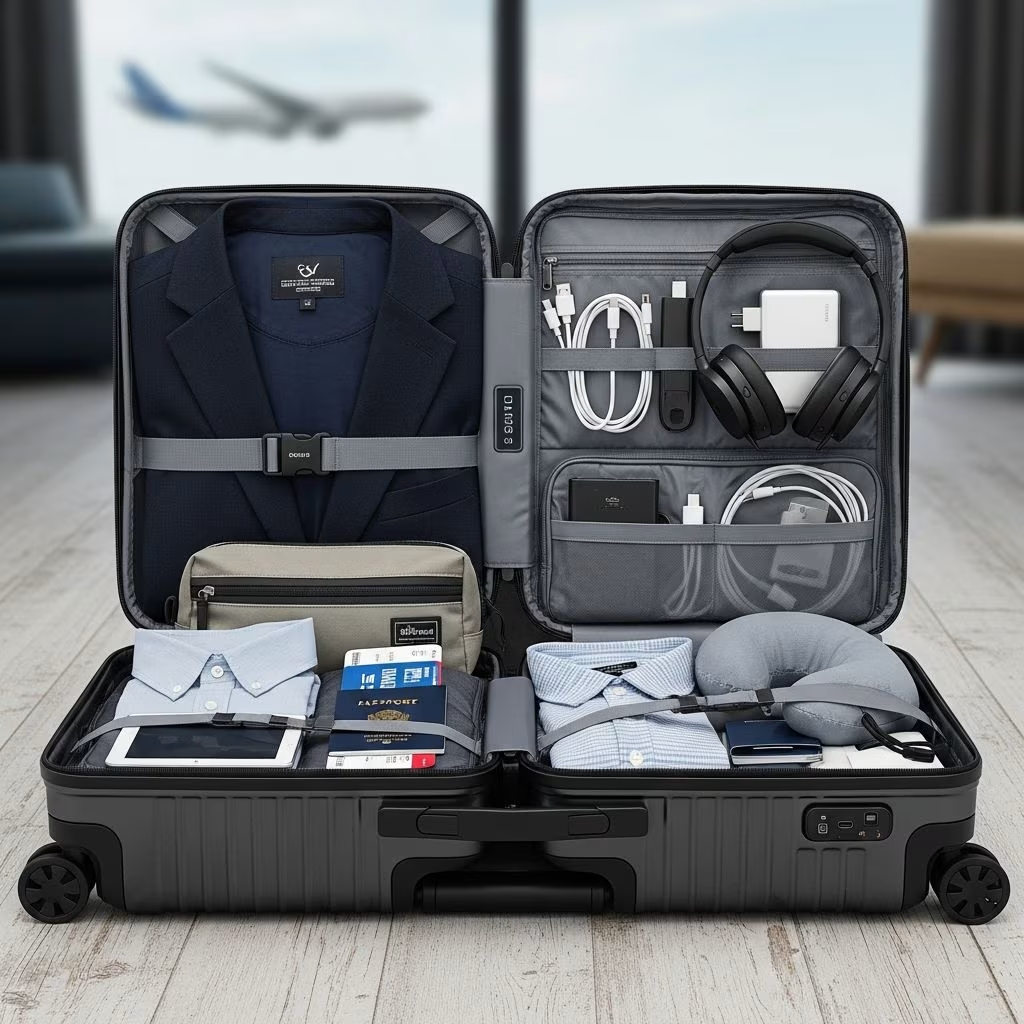
Professional packing goes beyond randomly arranging items. Packing cubes and compression systems represent transformative organizational tools that extend carry-on capacity significantly. These structured compartments segment clothing by category, garment type, or destination activity, enabling quick identification without disturbing packed items.
Specialized packing techniques extend beyond traditional folding. Rolling garments creates cylinder shapes that nest together efficiently while reducing creasing. For delicate items, layering tissue paper between pieces prevents wrinkling during transit. Strategic clothing selection emphasizing neutral base colors and versatile layering pieces multiplies outfit combinations while maintaining compact volume.
Modern travel demands reliable power access throughout journeys. A portable power bank with minimum 10,000mAh capacity addresses the reality that airport charging stations are often overwhelmed or strategically located. USB-C connectivity ensures compatibility across devices, while multiple outlet options accommodate various charging cables.
Universal travel adapters have evolved beyond simple plug conversion. Contemporary adapters integrate USB outlets and multiple socket configurations, allowing simultaneous charging of phones, tablets, and other devices. This consolidation reduces the quantity of individual adapters requiring luggage space.
Noise-canceling audio technology transforms travel comfort by creating acoustic isolation during flights, layovers, or unfamiliar accommodations. Quality earpads and noise suppression provide restorative focus whether sleeping, working, or simply creating personal space in crowded environments.
Extended air travel creates specific physiological challenges. Compression socks encourage healthy blood circulation during long flights, reducing swelling and supporting cardiovascular function. Travel pillows in memory foam or inflatable designs provide neck support during sleep, preventing the awkward positions that cause stiffness and pain upon arrival.
Hygiene maintenance deserves careful attention in shared travel environments. TSA-approved silicone travel bottles contain essential toiletries while occupying minimal space. Cleansing wipes serve multiple purposes—refreshing skin after flights, sanitizing seating areas, and maintaining personal hygiene when facilities are limited. Collapsible cups reduce bulk while enabling proper hydration throughout journeys.
Skincare becomes particularly important given exposure to recycled cabin air and sun exposure during travel. Moisturizer prevents dehydration effects of aircraft cabin environments, while SPF sticks protect against harmful rays, particularly on long flights crossing multiple time zones. These compact items address practical health needs without consuming significant luggage volume.
Travelers navigating airports with increasing complexity require organized documentation systems. Passport holders with RFID protection shield against unauthorized digital scanning of travel documents. Compact organizers consolidate identification, boarding passes, and reservation confirmations, enabling rapid access at security checkpoints and airline gates.
Emergency information should remain physically accessible—a printed copy of crucial reservations, hotel addresses, and emergency contacts provides functionality if digital devices fail. This redundancy transforms potential problems into manageable situations.
Versatile clothing selections maximize outfit permutations from minimal items. Neutral color palettes create coordinating possibilities, while layering pieces accommodate temperature fluctuations across climates and seasons. A lightweight jean jacket functions across diverse scenarios—providing warmth on cold flights, layering under formal wear, and adapting to unpredictable weather.
Multi-functional clothing serves dual purposes. Joggers transition seamlessly from comfortable flight wear to casual destination exploration. Technical fabrics resist wrinkles and maintain appearance despite extended wear. Footwear selection balancing comfort during travel, airport security convenience, and destination appropriateness prevents the need for multiple shoe styles.
Frequent travelers develop systematic approaches to managing items throughout journeys. Hidden pocket vests distribute essentials across accessible locations, keeping valuables, documents, and electronics within personal reach during flights and airport transitions. Multiple small compartments prevent the security vulnerability of consolidated valuable items.
Tech organizers consolidate cables, adapters, and small electronics, preventing the frustration of untangling wires during transit. Clearly segmented compartments make specific items immediately locatable without disturbing the entire collection.
| Journey Type | Duration Considerations | Packing Priorities |
|---|---|---|
| Weekend Escape | 2-3 days | Minimal clothing, toiletries, entertainment |
| Extended Business Travel | 5-7 days | Professional attire, technology, medications |
| International Adventure | 1-2 weeks | Documentation, adapters, versatile clothing |
Most frequent travelers maintain carry-on weights between 20-30 pounds (9-14 kg). This range balances packing capacity with manageable handling through crowded terminals and overhead compartment placement. Lighter luggage reduces fatigue during extended airport time and minimizes strain when navigating narrow aircraft aisles.
Quality matters for frequently-used items like luggage, pillows, and adapters, as these investments endure repeated travel cycles. Conversely, disposable items like travel-sized toiletries or compression bags need not be premium purchases. Balance durability requirements against usage frequency and personal priorities.
Roll irregular-shaped items in clothing to fill empty spaces while providing cushioning protection. Use socks for storing small objects, and leverage the perimeter space of suitcases for items that don’t compress. Creative utilization of every available space prevents wasteful empty areas.
Hang garments immediately upon arrival to release wrinkles. Rolling clothes rather than folding reduces creasing. Packing cubes with internal segmentation prevent items from shifting and creating fold lines during transport.
Adjust base clothing selections to match departure climate, but maintain versatile layering pieces year-round. Keep destination-specific items separate—beach supplies in summer rotation, thermal layers in winter rotation—reducing the quantity of irrelevant items occupying luggage space.
Successful frequent travelers develop personalized packing systems reflecting their specific travel patterns, destination preferences, and comfort priorities. Rather than rigidly following generic checklists, experienced travelers create mental templates adaptable to various circumstances. This flexible approach prevents over-packing while ensuring essential items receive consistent attention.
The most effective carry-on strategy balances preparation with restraint. Overpacking burdens travelers with excessive luggage, while under-packing creates inconvenience and stress. Finding this equilibrium requires honest self-assessment of genuine needs versus aspirational items unlikely to be used.
Technology continues reshaping travel possibilities. Digital boarding passes eliminate paper management, while travel apps consolidate itineraries, confirmations, and emergency information. Digital luggage scales provide real-time weight monitoring, preventing baggage fee surprises. As these tools become ubiquitous, packing strategies naturally evolve toward lighter, more efficient approaches.
Modern carry-on strategy incorporates environmental considerations. Reusable water bottles with integrated filters reduce plastic consumption while maintaining hydration. Solid toiletries in compact formats minimize packaging waste. Durable, long-lasting luggage and accessories reduce replacement frequency and associated environmental impact.
Building a versatile, quality-focused wardrobe that transcends single trips encourages item reuse across multiple journeys. This approach reduces the accumulation of single-use travel items while supporting conscious consumption patterns.
