

 Travel Essentials
 Travel Essentials

Explore Cartagena's historic walled city, street art in Getsemani, fortress architecture, island escapes, and Afro-Caribbean culture in Colombia's most enchanting destination.
 Travel Essentials
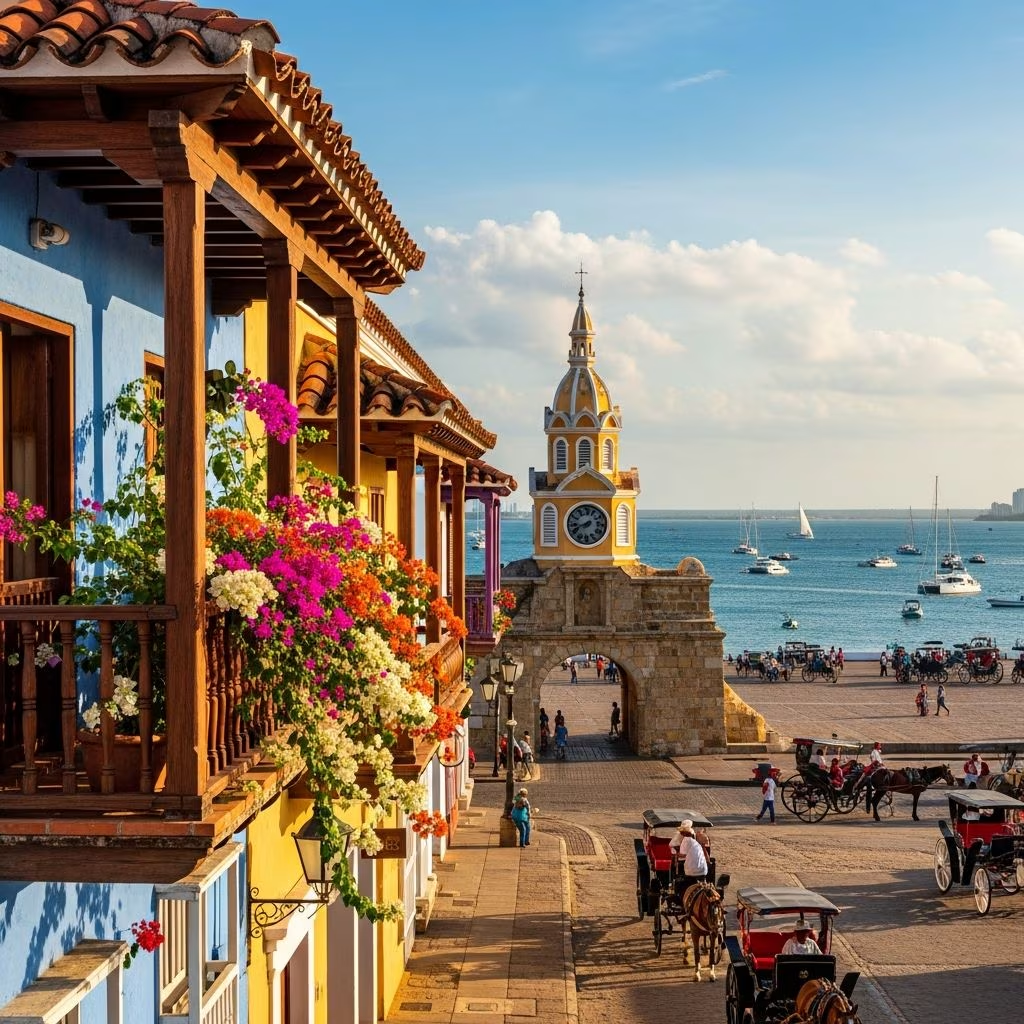
Cartagena de Indias stands as one of South America’s most captivating destinations, blending centuries of history with contemporary cultural vibrancy. Recognized as a UNESCO World Heritage Site, this Caribbean coastal city showcases an exceptional collection of Spanish colonial architecture, preserving centuries-old traditions while embracing modern tourism infrastructure. The city’s unique character emerges from its multilayered heritage: defensive military fortifications dating back over four centuries, African diaspora influences woven throughout local culture, and the indigenous Caribbean spirit that defines everyday life. Whether you’re seeking historical immersion, beach relaxation, culinary adventures, or artistic exploration, Cartagena delivers experiences that resonate long after departure.
Planning your Cartagena visit requires understanding the city’s climate patterns and tourism calendar. The destination experiences tropical weather characterized by consistently warm temperatures throughout the year, with humidity levels that can reach intense levels, particularly during afternoon hours. The period from December through February represents the peak tourist season, drawing international visitors seeking escape from northern hemisphere winters. This timeframe offers slightly drier conditions and more comfortable humidity levels compared to other seasons.
The rainy season, occurring from May through November, brings afternoon downpours but fewer crowds and lower accommodation rates. Travel experts recommend allocating 3 to 4 days for a comprehensive Cartagena experience, allowing sufficient time to explore major attractions without feeling rushed. Regardless of travel season, packing lightweight, breathable clothing, portable cooling devices, and high-SPF sunscreen proves essential for comfortable exploration.
The centerpiece of any Cartagena visit is the walled city, an architectural testament to Spanish colonial ambition and military engineering. Constructed over four centuries ago, the massive stone fortifications were specifically designed to defend against pirate incursions and protect colonial trade routes. Today, these walls frame a labyrinth of narrow cobblestone streets, vibrant colonial mansions painted in candy-colored hues, and hidden plazas that reveal themselves around each corner.
Within the walled city, distinct neighborhoods showcase different characters. El Centro pulses with energy, featuring modern restaurants, boutique shops, and contemporary nightlife venues alongside restored historic structures. San Diego offers a quieter, more residential atmosphere with intimate galleries and local cafés. The architecture itself tells stories of cultural exchange—Spanish baroque influences blend with African design elements and Caribbean adaptations, creating an aesthetic that feels both European and distinctly tropical.
Key landmarks within the walled city include:
Walking tours departing from Plaza Santa Teresa at regular intervals (10 am and 4 pm daily) provide historical context and insider perspectives. The afternoon departure often proves preferable, as morning walks expose participants to intense midday heat.
This impressive fortress, constructed in 1639, represents one of the Caribbean’s most significant military architectural achievements. Perched on a strategic hill overlooking the city, the castle’s design incorporated innovative defensive features, including tunnels and underground passages designed to confound potential attackers. The view from the castle’s summit encompasses the walled city, Caribbean waters, and surrounding neighborhoods, providing photographic opportunities and geographic perspective.
Arriving early to beat afternoon crowds ensures a more contemplative experience, allowing visitors to explore the fortress’s multiple levels, underground structures, and observation points without navigating dense tourist masses. The castle’s historical significance extends beyond military function—it represents the colonial power dynamics that shaped Caribbean development and serves as a physical manifestation of Spain’s maritime dominance during the colonial era.
Just beyond the walled city’s boundaries, the Getsemani neighborhood has transformed into an open-air gallery celebrating contemporary Colombian artistic expression. This formerly overlooked district now attracts visitors seeking authentic local culture, vibrant street art, and an alternative to the more commercialized walled city. Murals and paintings cover building facades, telling stories of local heritage, political history, and modern identity through visual narratives.
The neighborhood’s character extends beyond visual art. Independent cafés, craft cocktail bars, restaurants featuring innovative Caribbean cuisine, and live music venues create an atmosphere that feels genuinely connected to contemporary Colombian life rather than tourist-oriented performance. Walking through Getsemani’s streets reveals layers of community identity, artistic passion, and entrepreneurial spirit. Photography enthusiasts find endless subjects, while those seeking cultural authenticity appreciate the neighborhood’s resistance to homogenization. For many visitors, particularly those interested in contemporary art and local perspectives, Getsemani represents the soul of modern Cartagena.
The Mercado de Bazurto offers a stark contrast to sanitized tourist spaces, providing genuine glimpses into how local residents shop, socialize, and conduct daily commerce. This bustling market showcases tropical fruits, vegetables, fresh seafood, and local products at prices that reflect genuine affordability. The sensory experience—vibrant colors, authentic aromas, animated vendor conversations conducted in Spanish—immerses visitors in authentic Colombian commerce.
Navigating the market safely requires basic precautions: secure valuables, move with purposeful confidence, and consider hiring a local guide familiar with the space. The reward for this minor effort is invaluable: understanding how Cartagena’s residents actually live, shop, and interact within their own city rather than through the filtered lens of tourist establishments.
Just offshore from Cartagena, the Rosario Islands (Islas del Rosario) offer pristine beaches, crystal-clear Caribbean waters, and opportunities for water activities including paddleboarding, snorkeling, and diving. Accessible via boat tours departing from the downtown waterfront, these islands provide the quintessential Caribbean beach experience—white sand, turquoise water, and tropical vegetation.
Playa Blanca, the most accessible island beach, offers convenient day-trip accessibility while maintaining relatively unspoiled beauty. Catamaran tours typically include lunch, beach time, and opportunities to explore multiple islands during full-day excursions. These experiences provide refreshing counterpoint to urban exploration, allowing visitors to experience the Caribbean’s natural attractions that originally drew European interest to this region centuries ago.
Cartagena’s food scene reflects its cultural complexity—African, Indigenous, and Spanish culinary traditions merged through centuries of historical interaction, creating distinctive Caribbean-Colombian cuisine. Local ingredients including coconut, plantains, fresh seafood, and tropical fruits form the foundation of traditional cooking.
Visitors can engage with this culinary heritage through multiple approaches. Street vendors offer fresh-cut tropical fruits at minimal cost, providing authentic taste experiences. Cooking classes teach preparation of traditional dishes, connecting participants to cultural practices while developing practical skills. Contemporary restaurants operated by award-winning chefs reimagine traditional flavors through modern techniques, elevating local cuisine to fine dining standards.
Coffee deserves special attention—Colombia’s reputation for exceptional coffee translates into excellent café culture throughout Cartagena. Dedicated coffee establishments serve meticulously prepared beverages, offering respite from tropical heat while enabling extended observation of local social dynamics. Specialty items like Enyucado cake and mora crepes represent distinctive local pastries worth seeking out.
Cartagena’s shopping scene combines international brands with distinctive local designers showcasing Colombian craftsmanship. Independent boutiques feature jewelry, textiles, and fashion items reflecting regional artistic traditions and contemporary design sensibilities. Noted designer shops include establishments specializing in locally-made candles, handcrafted goods, and fashion-forward pieces created by emerging Colombian talents.
Shopping in Cartagena requires judicious luggage planning—the abundance of attractive items often exceeds anticipated purchasing capacity. Artisanal products including hand-poured candles, textiles featuring traditional patterns, and jewelry incorporating local materials offer authentic souvenirs with genuine cultural connection rather than mass-produced alternatives targeting tourists.
Cartagena’s after-dark scene accommodates varied preferences. Rooftop bars and waterfront venues like Café del Mar offer sophisticated settings for sunset appreciation, craft cocktails, and social connection. The transition of sky colors during sunset—shifting through coral, pink, and orange hues—creates romantic ambiance particularly enhanced by live music accompaniment and Caribbean breezes.
For those seeking active nightlife, establishments like Café Havana deliver salsa dancing, live music performances, and energetic atmospheres, particularly on Friday and Saturday evenings. The city’s Afro-Caribbean cultural heritage manifests in traditional dance forms including champeta, representing musical and movement traditions distinct from mainland Colombian salsa culture.
| Consideration | Details |
|---|---|
| Ideal Duration | 3-4 days for comprehensive experience |
| Best Months to Visit | December-February for ideal weather |
| Packing Essentials | Light clothing, portable fan, high-SPF sunscreen, hand towel |
| Safety Profile | Generally safe for tourism; standard urban precautions advised |
| Tourism Level | High; more expensive than other Colombian cities |
| Distance to Beaches | Immediate access to Caribbean; islands accessible via boat |
Cartagena’s cultural identity fundamentally reflects African diaspora heritage—a reality sometimes overlooked in tourist marketing emphasizing Spanish colonial aesthetics. The city’s music, cuisine, artistic traditions, and spiritual practices demonstrate profound African influences alongside indigenous and European elements. Understanding this layered heritage enriches visitor experience, contextualizing contemporary cultural expressions within historical frameworks of forced migration, cultural resilience, and creative synthesis.
This multicultural foundation distinguishes Cartagena from other Caribbean destinations, offering educational and emotional resonance extending beyond conventional sightseeing.
Most travel experts recommend 3-4 days to experience major attractions comprehensively without excessive rushing. This timeframe allows exploration of the walled city, neighborhood walking, island day trips, and cultural experiences while accommodating necessary rest periods in the tropical heat.
December through February offers the most comfortable conditions with lower humidity and minimal rainfall, though tourism peaks correspondingly. The rainy season (May-November) provides budget advantages and reduced crowds despite afternoon precipitation.
Cartagena maintains a strong safety reputation compared to other Colombian cities, particularly in well-established tourist areas. Standard urban precautions—avoiding isolated areas after dark, securing valuables, maintaining situational awareness—ensure secure visits.
Yes, daily catamaran tours depart from downtown Cartagena, offering full-day island experiences including beaches, lunch, and water activities, returning to the city by evening.
Caribbean-Colombian cuisine emphasizing coconut, plantains, fresh seafood, and tropical fruits defines local eating. Specialties include dishes reflecting African, Indigenous, and Spanish traditions merged through centuries of cultural interaction.
Cartagena represents more than a tourist destination—it embodies centuries of cultural exchange, artistic expression, historical transformation, and Caribbean beauty converged in a single compelling location. The walled city’s architectural preservation, neighborhood diversity, island accessibility, and vibrant contemporary culture create multifaceted experiences appealing to varied traveler interests.
Whether prioritizing historical exploration, artistic discovery, beach relaxation, or cultural immersion, Cartagena delivers authentic engagement with Colombian Caribbean life while maintaining tourist infrastructure and accessibility. The city’s recognition on Lonely Planet’s 2026 Best In Travel list confirms its enduring appeal and relevance as a premier South American destination.
Preparation involving basic Spanish language familiarity, research into specific interests, and flexible itinerary planning maximizes visit satisfaction. The combination of tangible historical heritage, dynamic contemporary culture, natural Caribbean setting, and genuine local warmth ensures Cartagena experiences remain memorable long after return to everyday life.
