

 Travel Essentials
 Travel Essentials

A comprehensive guide to the Catskills region covering hiking trails, ski resorts, dining, accommodation, and seasonal activities for weekend getaways.
 Travel Essentials
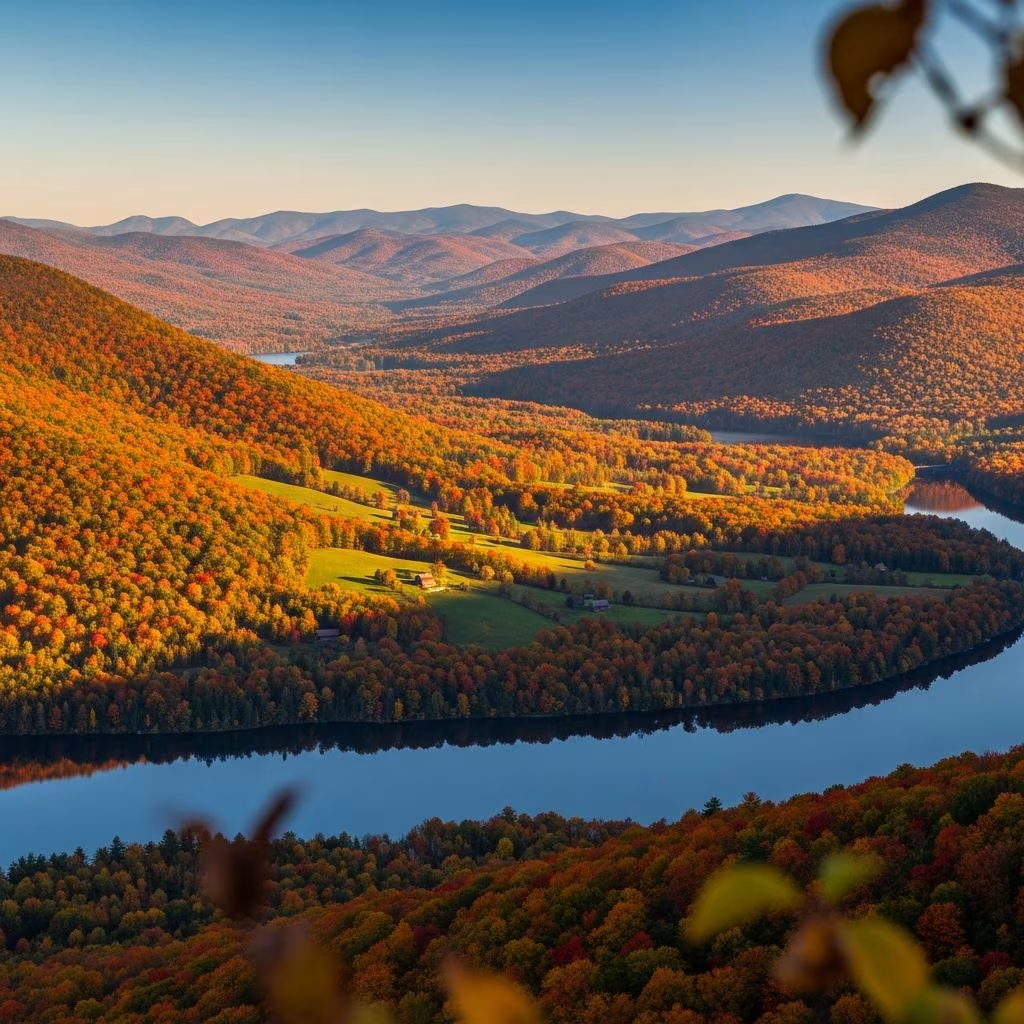
Nestled approximately 150 miles from New York City, the Catskills mountain region represents one of the Northeast’s most accessible and rewarding destinations for those seeking mountain experiences, outdoor recreation, and cultural enrichment. This diverse landscape in southern New York attracts visitors from the surrounding metropolitan areas of New York, New Jersey, Connecticut, and beyond, offering a compelling mix of natural beauty and charming communities that warrant extended exploration.
The Catskills occupy a unique position in the northeastern United States, positioned close enough to major urban centers for convenient weekend travel yet far enough to deliver a genuine sense of mountain escape. The region encompasses wooded slopes, dairy farming communities, cascading waterfalls, and a surprising abundance of antique shops that reflect both its rural heritage and its evolution as a creative and cultural destination. This combination of natural features and commercial development has transformed the area into a multifaceted destination suitable for various travel interests and activity levels.
The accessibility of the Catskills makes them particularly appealing for three-day, two-night excursions from urban centers. The region’s infrastructure supports varied accommodation options, from rustic mountain lodges to upscale boutique establishments, allowing visitors to choose experiences that match their comfort preferences and budget requirements.
Strategic positioning within the Catskills significantly influences your experience. Several riverside communities serve as ideal headquarters for regional exploration:
Each town provides different emphases, whether you prioritize cultural engagement, culinary experiences, or immediate trail access. Many visitors base themselves in one location while undertaking day excursions to secondary attractions across the region.
The Catskills contain an exceptional concentration of hiking opportunities spanning various difficulty levels and distances. This diversity ensures that families, casual walkers, and experienced mountaineers all find suitable options.
Beginner hikers and families benefit from former rail routes converted to recreational paths. The Ashokan Rail Trail and Catskill Scenic Trail provide low-impact walking experiences that deliver mountain landscape impressions without demanding significant physical exertion. These routes allow participants to experience regional terrain while maintaining flexibility regarding duration and intensity.
The Overlook Mountain Trail exemplifies the moderate hiking category that attracts widespread popularity. This 4.6-mile route rewards participants with expansive views of rolling mountains, creating an appealing balance between effort investment and scenic payoff. The accessibility of this trail combined with its visual rewards makes it consistently recommended among regional hiking guides.
Experienced hikers discover more demanding options throughout the region. Notable challenging hikes include routes to multiple summits, waterfall treks involving significant elevation changes, and less-developed trails requiring navigation skills. These paths appeal to those seeking solitude and more rigorous physical challenges.
The Catskills feature numerous waterfall sites that serve as hiking destinations or casual viewpoints. Kaaterskill Falls stands out as a particularly popular waterfall attraction, accessible through various route options including trolley service from nearby towns. The combination of cascading water, surrounding vegetation, and accessible trailheads makes waterfall sites appealing for varied fitness levels.
The Catskills transform during winter months into a ski destination attracting snowsports enthusiasts across difficulty spectrums. Multiple resort options cater to different experience levels and preferences:
Hunter Mountain operates as the region’s primary ski facility, featuring 67 distinct trails spanning 34 miles of terrain. This extensive trail network accommodates everyone from first-time skiers to experts seeking aggressive descents. The resort maintains trails at all difficulty levels, with particular emphasis on challenging black-diamond and double-black-diamond runs that appeal to experienced skiers.
Belleayre distinguishes itself through natural mountain beauty, enhanced by the region’s only gondola providing scenic elevation gain experiences. The resort excels in glade skiing, with tree-lined descents particularly appealing following fresh snowfall. This aesthetic emphasis appeals to skiers prioritizing scenic enjoyment alongside athletic pursuits.
Plattekill maintains status as an insider destination characterized by smaller crowds and steeper terrain. The combination of limited size and significant slope angles restricts this resort primarily to experienced skiers seeking challenging conditions and community atmosphere over facilities infrastructure.
The Catskills have developed a notable reputation for farm-to-table dining reflecting both agricultural heritage and contemporary culinary trends. The region’s proximity to productive farmland, combined with an influx of talented chefs seeking alternative communities, has generated exceptional dining options spanning casual to refined establishments.
Agricultural producers throughout the region supply seasonal ingredients to restaurants, creating menus that shift with harvests. This farm connection extends to farmers markets, farm stands, and agritourism experiences where visitors directly engage with producers. The food culture emphasizes local sourcing, sustainable practices, and celebration of regional ingredients.
Beyond restaurants, the culinary scene includes food-focused events, cooking classes, and artisanal producers creating everything from cheese to baked goods. These offerings allow extended exploration of the region’s food culture beyond individual dining reservations.
The Catskills contain an unusually concentrated collection of antique shops, vintage dealers, and specialty stores that have transformed shopping into a primary regional activity for many visitors. This commercial ecosystem reflects both rural heritage—where antique goods originate from local estates and farms—and contemporary demand from urban visitors seeking distinctive home furnishings and collectibles.
Entire main streets in various towns feature consecutive antique and specialty shops, creating browsing destinations that occupy hours of exploration. The hunting aspect of antiquing—searching for unexpected discoveries—appeals to collectors and casual shoppers alike. Vintage clothing, furniture, art, ceramics, and decorative objects fill shop spaces at varying price points, accommodating different budgets and acquisition philosophies.
The Catskills offer distinct seasonal experiences that influence visitation patterns and available activities:
Each season attracts different visitor demographics with distinct activity preferences, allowing the region to maintain tourism throughout the year despite seasonal activity variations.
Beyond outdoor activities, the Catskills contain cultural institutions and historical sites reflecting the region’s artistic heritage and development. Historic mansions, artist colonies, galleries, and performance venues provide indoor activities particularly suitable during inclement weather or as complements to outdoor recreation.
Notable cultural destinations showcase architectural heritage, visual art, performing arts, and regional history. Many communities have cultivated reputations as artistic centers, attracting painters, musicians, and writers who contribute to local cultural programming. This creative concentration has transformed certain towns into destinations for cultural tourism alongside nature-focused visitation.
Three-day, two-night visits accommodate comprehensive regional sampling, allowing time for base settlement, multiple activities, and relaxation. Longer visits enable deeper exploration of less-visited areas and more leisurely engagement with communities. Weekend trips from New York City remain popular due to travel convenience and time constraints of urban residents.
Personal vehicles remain the primary transportation option for regional exploration, as public transit connections between towns remain limited. Visitors prioritizing specific towns might manage with local walking, but comprehensive regional experience typically requires private transportation for accessing dispersed trailheads, dining establishments, and attractions.
Hiking in the Catskills demands appropriate footwear, hydration, and weather-appropriate clothing, particularly given rapid weather changes possible in mountainous terrain. Trail conditions vary seasonally, with spring and fall typically offering optimal hiking conditions. Winter hiking requires specialized equipment and route knowledge to safely navigate snowy or icy terrain.
Fall offers optimal conditions for most visitors, combining comfortable hiking temperatures with dramatic foliage. Summer delivers full trail accessibility and warmest conditions but attracts maximum crowds. Winter appeals specifically to ski enthusiasts, while spring rewards waterfall seekers with peak water flow.
The Catskills are positioned approximately 150 miles from New York City, making them accessible for weekend trips with typical driving times between two and three hours depending on specific destinations.
The region accommodates all fitness levels, from flat former rail trails suitable for families to challenging mountain routes requiring technical skills and significant endurance. Most popular destinations offer multiple approach routes with varying difficulty.
Yes, all major Catskills ski resorts maintain beginner terrain alongside advanced runs, ensuring accessibility for varied experience levels. Lessons and equipment rentals support new skiers in developing mountain sports skills.
The region features distinctive lodging ranging from mountain cabins to converted historic buildings to luxury resorts. Many communities offer vacation rentals, bed-and-breakfasts, and specialized accommodations reflecting local character.
Successful Catskills experiences typically balance outdoor recreation with community engagement, pairing morning hikes with afternoon shopping or cultural activities. This rhythm allows physical exertion alongside relaxation and cultural exploration. Many visitors discover that the region’s appeal stems from this multiplicity of available activities rather than any single dominant attraction.
The region accommodates varied travel styles, whether you prioritize intensive physical challenges, leisurely pace exploration, cultural immersion, or combinations thereof. This flexibility, combined with regional accessibility and developed infrastructure, explains the Catskills’ sustained popularity among diverse visitor demographics and continued growth as a cultural and recreational destination.
