

 Travel Essentials
 Travel Essentials

Cave Spring offers visitors a quintessential Georgia experience with natural limestone caves, pure spring water, historic sites, and authentic local dining in a welcoming community.
 Travel Essentials
Tucked away in Floyd County, just 15 miles southwest of Rome and approximately 75 miles from Atlanta, Cave Spring represents one of Georgia’s most underrated travel destinations. This intimate community of about 1,000 residents offers visitors an authentic glimpse into rural Southern life, complete with natural wonders, historical significance, and genuine hospitality that defines the region.
Cave Spring’s strategic positioning makes it an ideal addition to any Georgia road trip or weekend escape. Located within Floyd County, the town sits just a few miles from the Alabama state line, positioning it as a gateway between two states. The town lies 16 miles from Rome, making it perfect for travelers visiting the larger regional hub, and approximately 1.5 hours from Atlanta for those seeking a quick day trip or overnight getaway from Georgia’s capital.
The accessibility of Cave Spring means visitors can easily incorporate it into broader travel itineraries without significant detours. Whether arriving from Atlanta, Rome, or Alabama, travelers find themselves in a charming destination that feels worlds away from urban centers despite reasonable proximity to major population hubs.
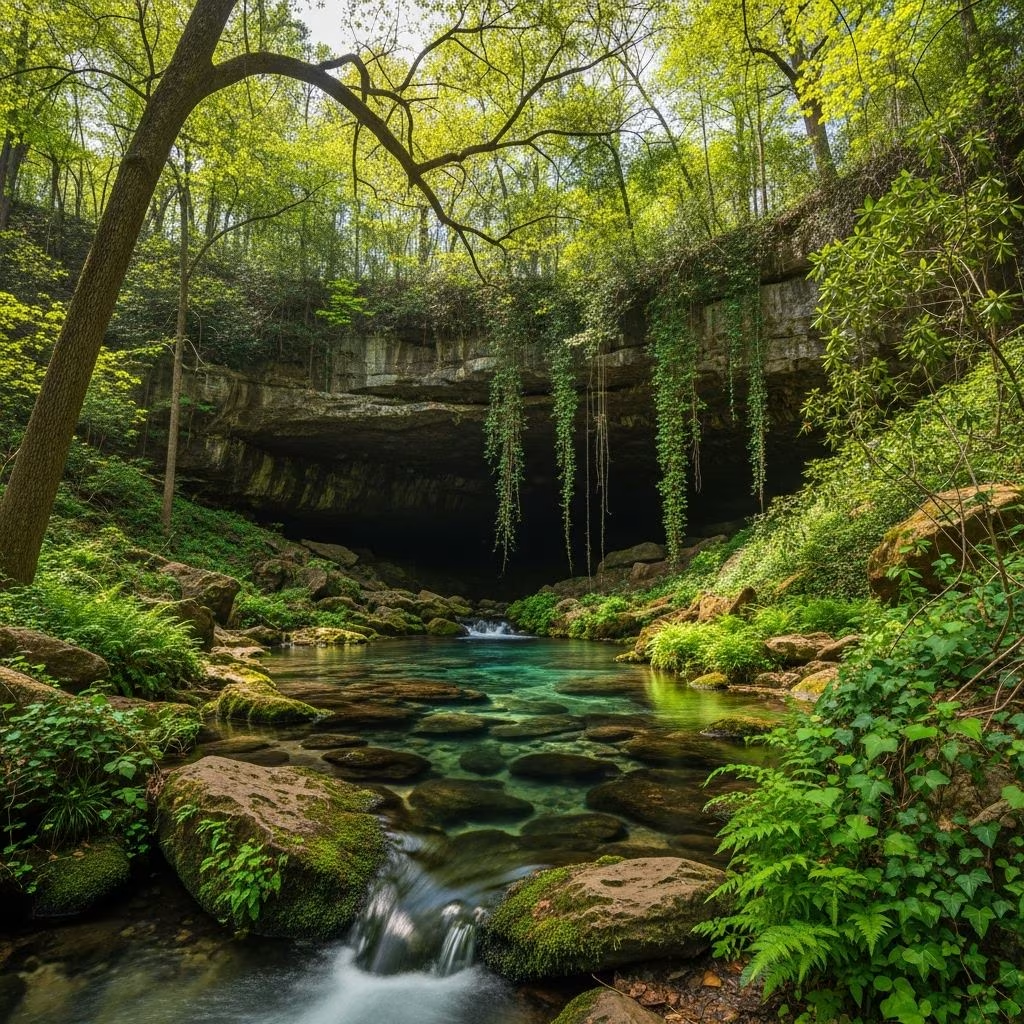
The town’s namesake derives from its most distinctive natural feature—a limestone cave housing a mineral-rich spring that has served the surrounding community for generations. This geological formation, located within the heart of town at Rolater Park, remains the defining attraction that draws visitors year-round.
The limestone cave features notable geological formations including stalagmites, creating a miniature underground landscape. Although the cave itself is limited to a modest 0.25-mile passage, the $1 tour offers visitors intimate access to this natural wonder. The guided experience reveals the geological history embedded within the stone walls while providing context for the spring’s importance to the region.
What makes this spring particularly remarkable is the purity of its water. Locals and visitors alike travel considerable distances to fill containers with this natural spring water, which flows continuously year-round. The mineral content and clarity distinguish it from conventional municipal water sources, creating a unique resource that has sustained the community throughout its history.
Surrounding the cave and spring, Rolater Park serves as the community’s recreational centerpiece. The park encompasses 29 acres of shaded grounds featuring multiple attractions:
The park’s design emphasizes natural integration, preserving the landscape’s integrity while providing modern amenities for contemporary visitors. Summer weekends witness animated scenes as families cool off in the spring-fed pool, creating memories in an environment that has remained largely unchanged for decades.
Beyond natural attractions, Cave Spring holds substantial historical importance rooted in early American frontier settlement and the painful legacy of Indian Removal.
Standing as a testament to the area’s complex history, the 1810 Vann Cherokee Cabin represents the intersection of Cherokee and European cultures during early 19th-century Georgia. Built by Avery Vann Jr. (1770-1845), a Scottish trader who married a Cherokee woman, the cabin reflects the diverse heritage of frontier communities.
Avery Vann Jr. was the brother of Cherokee Chief James Vann, and his prominence in the region led to the area’s initial designation as Vann’s Valley. The cabin itself remained hidden for many years, incorporated into the walls of the old Webster-Green Hotel in downtown Cave Spring before its preservation and restoration as a historic site.
Today, the cabin serves as a physical anchor for understanding the Trail of Tears—the forced removal of Cherokee people from their ancestral lands. The site represents the initial phase of this removal, when military forces consolidated Cherokee populations at holding camps before the westward journey to Indian Territory, now Oklahoma. The cabin and surrounding landscape offer visitors a place to contemplate this sobering chapter of American history.
Cave Spring’s downtown area, known simply as “The Square,” preserves architectural heritage from the late 1800s. Historic homes and buildings create an atmosphere evocative of period pieces, with many structures maintained in their original condition or carefully restored to historical specifications.
The preservation efforts reflect the community’s commitment to honoring its past while maintaining living, functional spaces. These buildings house contemporary businesses, creating a blend of historical authenticity and modern convenience that appeals to diverse visitor interests.
The Square offers visitors opportunities to support local entrepreneurs and discover unique merchandise unavailable in chain retail environments. Unlike cookie-cutter shopping experiences found in larger commercial areas, Cave Spring’s retail landscape reflects individual proprietor vision and community character.
Local shops include specialty boutiques such as Blooming T’s Boutique and Christa’s Etc., offering curated selections of clothing, gifts, and home décor. The Cave Spring General Store provides traditional general merchandise alongside nostalgic items evoking small-town retail traditions. Antique stores scattered throughout downtown appeal to collectors and history enthusiasts seeking period furnishings and memorabilia.
Rather than representing consumerism in its conventional form, shopping in Cave Spring becomes an experience of community interaction. Store owners possess deep knowledge of their inventory and often engage visitors in meaningful conversation, transforming a transaction into a social exchange.
Cave Spring’s restaurant scene distinguishes itself through commitment to quality preparation and locally-sourced ingredients rather than mass-production efficiency.
| Restaurant | Cuisine Style | Specialties |
|---|---|---|
| A&B Creekside Restaurant | American Contemporary | Homemade salsa, scratch-made sides, indulgent desserts; Friday dinner service reservation-only |
| Linde Marie’s Steakhouse | Upscale Steakhouse | Premium beef selections, gluten-free options |
| Local Joe’s at Cave Spring | Barbecue | Traditional smoking techniques, regional barbecue specialties |
| Southern Flavor | American Southern | Traditional Southern cuisine, vegetarian accommodations |
| Spring Brew Coffee Company | Café | Specialty coffee drinks, light breakfast fare |
Friday dinner at A&B Creekside Restaurant has earned reputation as “the hottest ticket in town,” reflecting community enthusiasm for the establishment’s culinary approach. Reservations are essential for this popular service, underscoring the demand for authentic dining experiences that prioritize quality over quantity.
Beyond spring swimming and cave exploration, Cave Spring provides access to diverse outdoor pursuits appealing to various activity preferences and skill levels.
The Pinhote Trail offers biking and hiking opportunities for those seeking moderate-intensity outdoor activities. For visitors interested in longer-distance cycling, the nearby Silver Comet Trail—a converted railroad corridor spanning multiple counties—provides extended cycling experiences through scenic terrain.
Cedar Creek, flowing through the region, accommodates kayaking enthusiasts seeking paddle-based exploration. The creek’s moderate current and scenic surroundings create memorable water-based adventures suitable for intermediate paddlers. Fishing opportunities along waterways provide quiet contemplative recreation for those seeking peaceful connection with natural environments.
For adventure seekers desiring adrenaline-based activities, zip-lining operations in the surrounding area offer elevated perspectives of the landscape. Cedar Creek Park, functioning as a family-friendly campground with 62 full-hookup RV sites, accommodates overnight visitors seeking extended stays.
Year-round festivals and community events ensure that seasonal timing affects available activities and atmospheric experiences. The calendar of celebrations reflects community culture and provides frameworks for visitor engagement with local traditions. From spring celebrations through winter holiday observances, Cave Spring offers occasions for experiencing small-town social dynamics and collective memory-making.
The Cave Spring Welcome Center & Museum serves as the logical first stop for arriving visitors. Knowledgeable staff provide comprehensive information about attractions, dining options, and activities while offering personalized recommendations based on visitor interests and available time. The museum displays memorabilia and interpretive materials chronicling the town’s evolution and historical significance, providing context for understanding the landscape and community character.
Perhaps Cave Spring’s most distinctive characteristic involves the genuine hospitality extended by residents. With approximately 1,000 residents functioning more as an extended family than a formal municipality, visitors encounter warmth and welcome that transcends transactional service interactions. Locals embody the Southern tradition of unhurried conversation and authentic interest in visitors’ experiences and origins.
This authentic community character cannot be manufactured through marketing campaigns or hospitality training programs. Instead, it emerges organically from decades of residents knowing their neighbors, taking pride in shared spaces, and viewing visitors as guests rather than customers.
Spring and fall offer moderate temperatures and clear skies ideal for outdoor exploration without excessive heat stress. Summer weekends attract larger crowds seeking the cool spring-fed swimming pool, creating more animated but potentially crowded conditions. Winter visits provide quieter experiences with fewer tourists, though outdoor recreation becomes more limited.
A day trip from Atlanta or Rome allows efficient coverage of primary attractions including cave exploration, spring water collection, downtown shopping, and one restaurant meal. Overnight stays enable more leisurely pacing, evening exploration of downtown ambiance, and participation in community events. Weekend visits from larger metropolitan areas capitalize on compact distances while providing sufficient time for meaningful engagement with the destination.
Respecting the spring and surrounding natural areas remains essential for preservation of this resource for future generations. Treating residents, businesses, and the landscape with consideration ensures continued welcome and maintains the town’s distinctive character against commercialization pressures.
In an era of standardized tourism experiences and chain retail homogenization, Cave Spring offers something genuinely different. The town resists franchising and commercial formula application, instead maintaining independence and authenticity that defines meaningful travel experiences. Visitors seeking to understand authentic rural Georgia culture, experience natural spring water in its pure form, and interact with communities that prioritize neighborliness over commercial transaction will discover Cave Spring rewarding.
Whether arriving for a brief afternoon excursion or planning an extended weekend escape, Cave Spring provides opportunities for connection—with nature, with history, with community, and with oneself. The limestone cave and mineral spring that gave the town its name continue flowing as they have for millennia, inviting visitors into a world moving at a different pace than the broader contemporary experience.
Spring (April-May) and fall (September-October) offer ideal weather conditions for outdoor activities. Summer attracts larger crowds seeking the cool spring-fed pool, while winter provides quieter experiences though with more limited outdoor recreation options.
Yes, the cave is open to visitors year-round with guided tours available for $1. The 0.25-mile passage is well-maintained and accessible for most fitness levels, though visitors should wear appropriate footwear for walking on limestone terrain.
Yes, visitors regularly fill containers with spring water from the natural source at Rolater Park. Many travel considerable distances specifically for this purpose due to the water’s exceptional purity and mineral content.
A half-day visit (3-4 hours) allows coverage of primary attractions. Full-day visits enable leisurely exploration of downtown, dining, and outdoor recreation. Weekend stays capture the community atmosphere more fully.
Yes, local establishments accommodate various dietary needs including vegetarian options at Southern Flavor and gluten-free selections at Linde Marie’s Steakhouse. Most restaurants prioritize quality ingredient sourcing enabling custom preparations.
Visitors can enjoy hiking and biking on the Pinhote Trail or Silver Comet Trail, kayaking Cedar Creek, fishing, zip-lining, and walking the downtown historic district and park trails.
