

 Travel Essentials
 Travel Essentials

Explore the cenotes of Mexico's Yucatan Peninsula, extraordinary geological formations and ancient sacred sites offering swimming, diving, and natural beauty.
 Travel Essentials
Deep beneath the tropical landscape of Mexico’s Yucatan Peninsula lies a hidden realm of crystalline waters and ancient mystique. The cenotes—natural sinkholes that pierce through limestone bedrock to reveal underground pools—represent one of nature’s most remarkable geological phenomena. These subterranean formations have captivated explorers, archaeologists, and adventure seekers for centuries, serving as both practical water sources and spiritual sanctuaries for the ancient Maya civilization. Today, they remain among the most sought-after destinations for travelers seeking to experience Mexico’s natural wonders in their most authentic form.
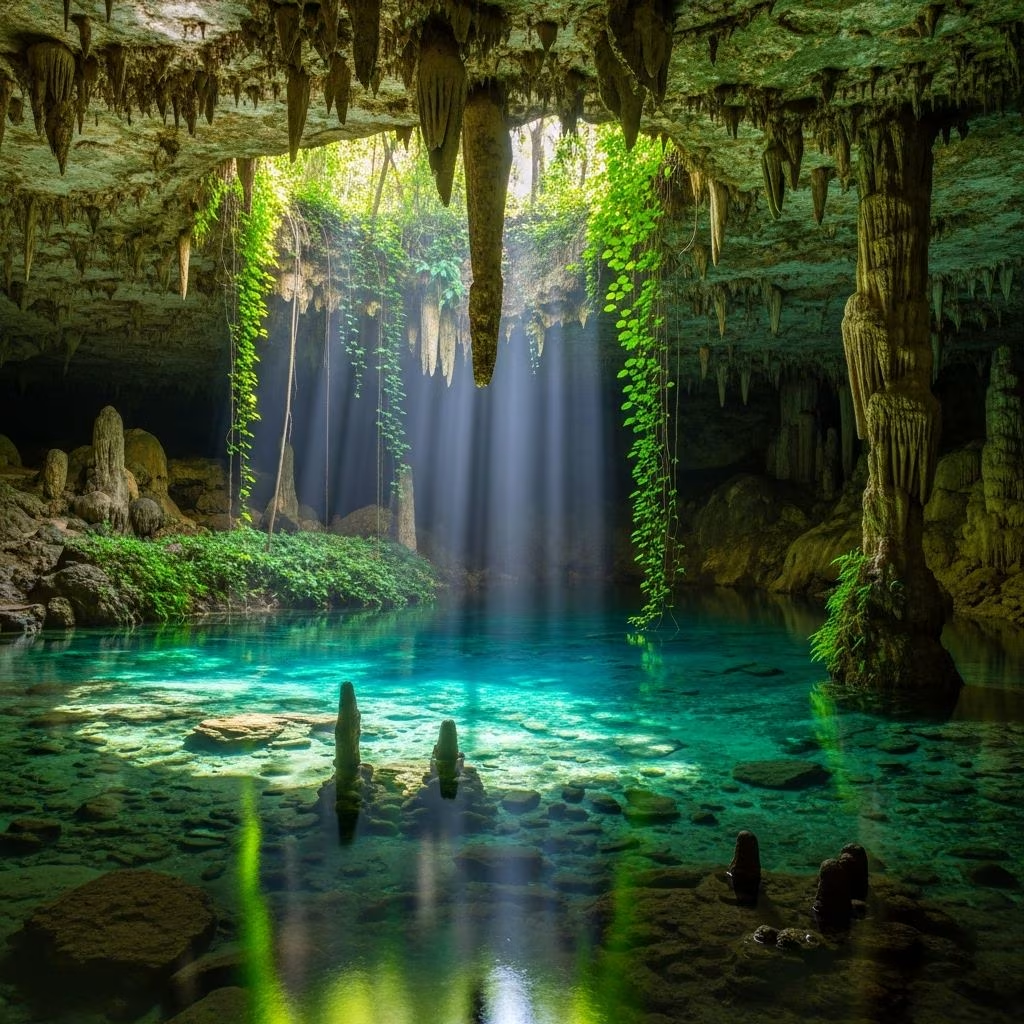
The Yucatan Peninsula’s landscape tells a compelling geological narrative written in limestone and water. The region’s bedrock is composed primarily of porous limestone, a sedimentary rock that dissolves readily when exposed to acidic groundwater. Over millennia, this chemical process has created an intricate network of underground caverns and passages throughout the peninsula. When the roofs of these caverns become too thin or weakened by erosion, they eventually collapse, exposing the subterranean water sources to daylight and creating the distinctive sinkholes known as cenotes.
What makes this process particularly significant is the scale and scope of the underground water systems. The Sac Altun system, one of the largest known underwater cave networks, stretches across 229 miles of subterranean passages. These interconnected waterways represent millions of years of geological activity, with water continuously filtering through the limestone, creating exceptionally pure and clear pools. The clarity of cenote water is remarkable—in many locations, visibility extends dozens of feet, allowing swimmers to observe aquatic life and geological features with stunning clarity.
For the ancient Maya civilization, cenotes transcended their role as merely practical water sources. These natural formations held profound spiritual and religious meaning, believed to serve as gateways connecting the earthly realm to the underworld. The Maya referred to these sacred sites as “sacred wells,” and communities deliberately established settlements in proximity to cenotes to maintain spiritual and physical connection to what they considered divine spaces. Archaeological evidence reveals that cenotes were destinations for ceremonial rituals, offerings, and religious observances that reinforced the cultural and spiritual identity of Mayan societies.
This historical reverence continues to influence modern perspectives on cenotes. Today’s visitors often experience the same sense of wonder and spiritual connection that drew the Maya to these locations centuries ago. The combination of geological grandeur, pristine natural beauty, and historical significance creates an atmosphere that transcends ordinary tourism, offering visitors an opportunity to connect with both nature and ancient history simultaneously.
Cenotes exhibit remarkable variety in their physical characteristics and accessibility. Understanding these different configurations helps visitors select locations that match their preferences and comfort levels:
The Yucatan Peninsula hosts thousands of cenotes, yet several stand out as particularly exceptional destinations offering distinct experiences:
Gran Cenote represents a premier destination for those seeking pristine waters and abundant marine life. Located just 2.5 miles north of Tulum, this cenote features remarkable transparency that allows swimmers to observe tropical fish moving through crystalline pools. The site’s multiple pools and connected caverns provide diverse environments suitable for both casual swimmers and experienced snorkelers. Additionally, the cenote’s resident turtle population adds an educational dimension to visits, with designated restricted areas protecting these creatures while offering occasional opportunities for swimmers to encounter them in their natural habitat.
The cenote offers practical amenities including included snorkeling equipment and life jackets, making it accessible to swimmers of varying experience levels. These features distinguish Gran Cenote as a location that balances ecological preservation with visitor accessibility and comfort.
For visitors prioritizing geological spectacle, certain cenotes offer particularly striking underground environments. Agua Dulce provides an especially memorable entrance, featuring a spiral staircase that corkscrews downward through a narrow cavern opening, descending directly into underground waters. This architectural drama creates an immersive experience that combines physical adventure with visual grandeur.
The Ik Kil cenote, situated near the archaeological site of Chichen Itza, captivates visitors with its vast expanse and hanging vines that create atmospheric, almost otherworldly conditions. These cenotes transform swimming from a simple recreational activity into a multisensory journey through geological wonders.
Cenote Dos Ojos caters to experienced divers and adventurous explorers, offering interconnected underwater cave systems that present technical diving challenges and the opportunity to traverse multiple chambers linked by submerged passages. These advanced diving destinations require specialized skills and equipment but reward experienced adventurers with unparalleled views of underwater geology and rare cave ecosystems.
Cenote accessibility varies considerably based on location and development level. Entrance fees range substantially depending on proximity to major tourist centers and available amenities:
Most cenote locations require visitors to shower before entering water to protect these delicate ecosystems from contamination. This practice reflects growing environmental consciousness among site managers and contributes to water quality preservation. Life jackets and snorkeling equipment availability varies by location, with some sites including these items in entrance fees while others offer rentals or require visitors to bring their own gear.
Beyond traditional cenotes, the Yucatan Peninsula features underground river systems that allow visitors to experience water travel through subterranean passages. The Sistema Xcaret near Playa del Carmen exemplifies this type of geological formation, permitting snorkeling through underground rivers within elaborate cave systems. These underground waterways represent the ultimate expression of the peninsula’s hydrological complexity, creating opportunities for visitors to experience active water flow through cavern environments.
The presence of these river systems reflects the continuous geological processes that shaped and continue to influence the Yucatan Peninsula. Groundwater moves constantly through limestone passages, maintaining water flow that creates these dynamic underground environments distinct from static cenote pools.
Planning a cenote visit requires understanding several practical factors:
| Factor | Consideration |
|---|---|
| Water Conditions | Cenotes maintain consistent cool temperatures year-round, typically between 75-80°F (24-27°C), providing relief from tropical heat |
| Fitness Requirements | Many cenotes require climbing stairs or descending through narrow passages; physical fitness appropriate to chosen cenote is essential |
| Seasonal Variations | Water visibility may decrease during rainy seasons, though cenotes typically maintain excellent clarity compared to surface bodies of water |
| Equipment Needs | Verify equipment availability at chosen cenote; some locations require visitors to bring their own snorkeling gear |
| Time Requirements | Plan 2-4 hours for cenote visits, accounting for travel, changing, swimming time, and facility exploration |
The popularity of cenotes has increased visitor pressure on these delicate ecosystems. Many cenotes have implemented environmental protocols to balance accessibility with preservation. Restrictions on swimming in certain areas protect wildlife habitats, particularly for species like freshwater turtles. Shower requirements before swimming reduce contaminant introduction, while visitor capacity limits at certain sites prevent overcrowding and water degradation.
Visitors contribute meaningfully to conservation by respecting established guidelines, using reef-safe sunscreen, and avoiding disturbance to wildlife. These individual actions collectively preserve cenotes for future generations while maintaining the ecological integrity that makes these locations special.
Selecting appropriate cenotes depends on individual priorities and capabilities. Visitors seeking accessible swimming should prioritize semi-open cenotes with developed facilities and shallow areas. Those interested in diving and exploration benefit from researching technically challenging underground systems and connecting with experienced dive operators. Budget-conscious travelers should investigate lesser-known cenotes near smaller communities, where entrance fees remain remarkably affordable while water quality and geological interest remain exceptional.
The geographic distribution of cenotes throughout the Yucatan Peninsula means most visitors can access multiple locations during extended visits. Clustering cenote visits by geographic region—such as exploring locations near Tulum, Valladolid, or Chichen Itza—optimizes travel efficiency while allowing comparative experiences of different cenote types.
Yes, cenotes maintained as tourist destinations meet safety standards. However, visitors should assess their personal comfort with water conditions, cave environments, and physical requirements before visiting specific cenotes. Choosing locations matching your swimming ability and comfort level ensures positive experiences.
Essential items include swimwear, towel, and water shoes for navigating potentially slippery surfaces. Sunscreen, snorkeling equipment (if not provided), and a waterproof camera enhance experiences. Many cenotes recommend or require shower facilities, so personal hygiene items prove useful.
Many cenotes accommodate non-swimmers through shallow areas, floating aids, and platforms allowing observation of water and geological formations without entering water. Verify specific cenote amenities before visiting if you have swimming concerns.
Cenotes are accessible year-round, though the dry season (November-April) typically offers better visibility. Even during rainy periods, cenote water clarity significantly exceeds surface water conditions.
Cenotes near Tulum, Valladolid, and Chichen Itza are accessible via rental vehicles, organized tours, or shuttle services. Many hotels and resorts arrange cenote excursions or provide transportation information.
