

 Travel Essentials
 Travel Essentials

Explore premier hiking routes in Central America, from volcanic summits to rainforest treks, featuring terrain for every skill level.
 Travel Essentials
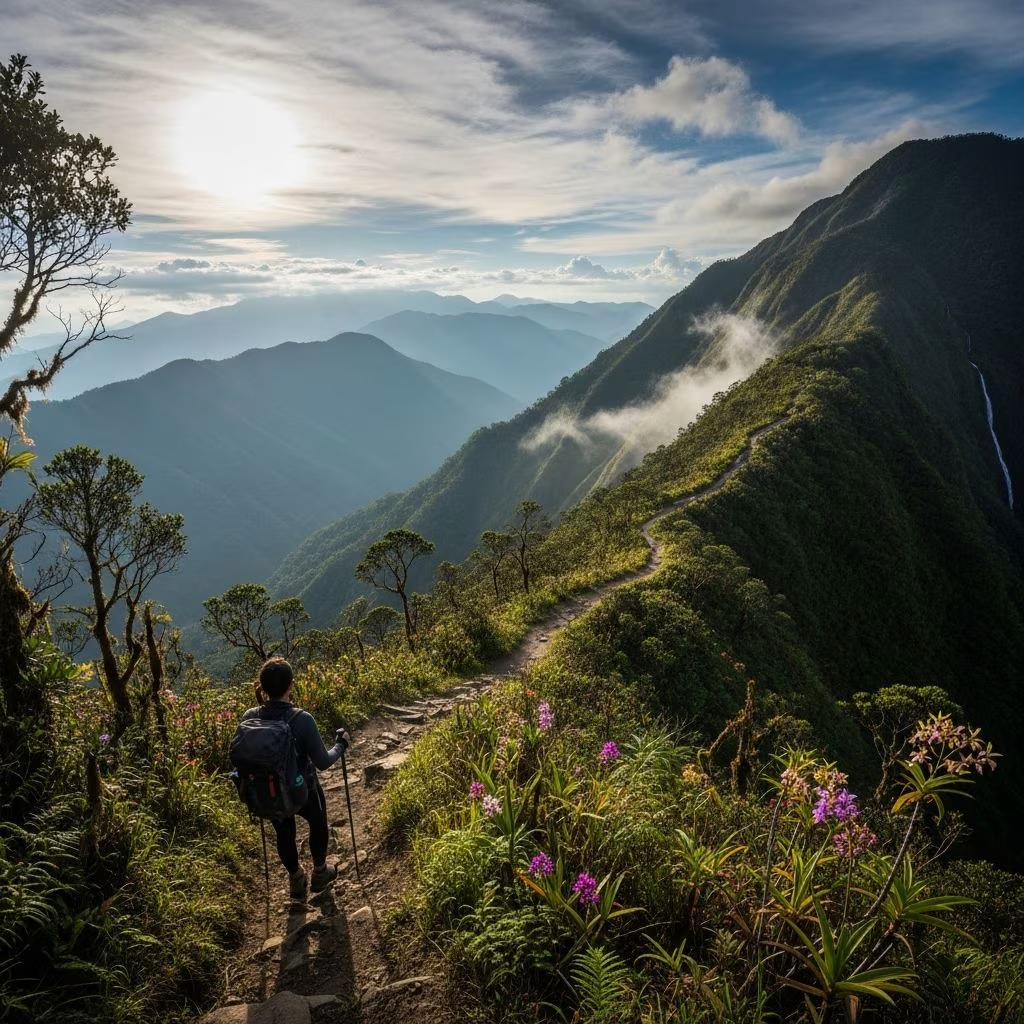
Central America presents an extraordinary variety of hiking experiences that cater to adventure seekers of every ability level. From towering volcanic peaks that pierce tropical clouds to immersive jungle pathways teeming with biodiversity, the region offers landscapes that rival some of the world’s most celebrated trekking destinations. Whether you’re seeking a morning nature walk or a multi-day mountaineering expedition, Central America’s trails provide unforgettable encounters with pristine wilderness and geological wonders.
The Central American volcanic chain attracts thousands of hikers annually, drawn by the combination of accessibility and dramatic geological features. These expeditions range from leisurely half-day outings to strenuous multi-day undertakings that demand significant physical preparation. The region’s volcanoes offer a unique opportunity to witness active volcanic systems and panoramic vistas that extend across multiple countries.
For experienced hikers seeking an authentic test of endurance, certain volcanic routes demand substantial commitment. One particularly demanding option involves an early morning departure and 10-11 hours of continuous hiking, with elevation gain concentrated in the final stretches. The reward for this effort consists of watching dawn break from a summit overlooking one of Central America’s largest freshwater lakes, creating a moment of profound connection with the landscape.
Similarly challenging is the two-day expedition to Guatemala’s premier volcanic destination, famous for nightly eruptions visible from an elevated vantage point. This adventure requires an overnight bivouac at altitude, where climbers witness the raw power of an active volcanic system in real-time. The psychological and physical demands of this trek attract mountaineers from across the globe, making it one of the region’s most sought-after experiences.
Not all volcanic hikes demand extreme physical conditioning. Several peaks offer moderate difficulty ratings combined with reasonable timeframes, making them suitable for travelers with basic fitness levels. One particularly popular option features a straightforward route beginning through agricultural land before a steep final approach to the crater rim. The ascent typically requires three hours, making it ideal for day trips from nearby towns.
Another highly accessible volcanic route presents an intermediate-level challenge, typically completed within three hours. This hike showcases a pristine crater lake that displays remarkable coloration, shifting from emerald to turquoise depending on atmospheric conditions and sunlight angles.
Beyond volcanic terrain, Central America’s rainforest ecosystems provide equally compelling hiking experiences. These trails wind through dense vegetation, following waterways and ridgelines that provide glimpses of wildlife rarely encountered in developed areas. Jungle hiking requires different skills than mountain trekking, emphasizing navigation, wildlife awareness, and adaptability to variable conditions.
Certain regions maintain dedicated hiking corridors that traverse lowland jungle without requiring significant elevation gain. One notable example runs through a narrow valley where towering trees create a natural tunnel effect overhead, with dense forest pressing in from both sides. The trail typically requires 2.5-3 hours to complete its 6.1-kilometer length, providing an intensive jungle experience without mountaineering demands. These routes often follow historical infrastructure, with the pathway name referencing industrial remnants visible at the trailhead while simultaneously evoking the encroaching wilderness that defines the surrounding landscape.
Central American rainfall patterns create numerous waterfalls that serve as destinations and highlights for hiking trails. Some popular routes specifically emphasize waterfall encounters, with the terrain typically classified as easy to moderate difficulty. These trails attract families and casual walkers seeking refreshing swims at cascade bases without committing to lengthy expeditions.
For travelers with expanded timeframes, multi-day hiking options provide deeper wilderness engagement. These expeditions typically involve overnight camps at intermediate elevations, allowing hikers to experience changing landscapes and atmospheric conditions across a broader geographic area.
Certain highland routes span multiple days, ascending from lower elevations through transitional vegetation zones to alpine environments. One such route requires 1-2 days depending on individual pace and acclimatization needs, with moderate difficulty ratings despite substantial cumulative elevation gain. These treks often begin in populated areas before gradually ascending into increasingly remote territory, creating a psychological shift from civilization to wilderness that enhances the overall experience.
Different Central American countries offer distinct multi-day experiences based on local topography and infrastructure. Northern Nicaragua provides routes ascending volcanic slopes that transition from flat agricultural beginnings to steep final approaches. Guatemalan highlands offer high-altitude treks that showcase indigenous communities, traditional practices, and panoramic vistas encompassing multiple country borders. Panama’s western highlands present challenges including technical terrain and variable weather conditions that demand greater preparation than lower-altitude routes.
| Country | Primary Hiking Region | Characteristic Terrain | Typical Duration |
|---|---|---|---|
| Costa Rica | Pacific Slope Highlands | Volcanic peaks, cloud forests | Half-day to 2 days |
| Nicaragua | Western Volcanic Chain | Cone-shaped summits, highland lakes | Full-day to 2 days |
| Panama | Western Highlands | Rainforest, alpine peaks | Half-day to multi-day |
| Guatemala | Highlands and Volcanic Zone | Active volcanoes, indigenous communities | Full-day to 3 days |
| El Salvador | Western Volcanic Region | Moderate peaks, crater lakes | Half-day to full-day |
| Honduras | Cloud Forest Highlands | Montane forests, waterfalls | Varies by location |
Successful hiking in Central America depends significantly on advance physical conditioning. The combination of elevation gain, tropical heat, and variable terrain demands cardiovascular fitness and muscular endurance. Hikers planning challenging routes should begin training 6-8 weeks in advance, emphasizing stair climbing, hill repetition, and sustained aerobic exercise.
Acclimatization plays a critical role, particularly for routes exceeding 3,000 meters elevation. Arriving several days before beginning high-altitude treks allows the body to adapt to reduced oxygen availability, significantly improving performance and reducing altitude sickness risk. Many guides recommend spending initial days at intermediate elevations before attempting higher peaks.
Central America’s climate patterns significantly influence hiking conditions throughout the year. The dry season, typically spanning November through April, offers the most reliable weather, with clear skies enabling panoramic views and reduced landslide risk. During this period, high-elevation trails remain accessible, and afternoon thunderstorms occur less frequently.
The rainy season, running from May through October, increases trail hazards including muddy terrain, swollen rivers, and reduced visibility. However, this period offers advantages including lower tourist populations, lush vegetation at peak greenness, and favorable wildlife viewing conditions. Preparation for rain season hiking demands additional caution and experience.
Specific routes benefit from particular seasonal timing. High-altitude peaks provide optimal conditions during the dry season when lower temperatures reduce heat stress and atmospheric clarity maximizes views. Lower-elevation rainforest routes remain hikeable year-round but present distinct advantages during different seasons—the dry season offers easier terrain, while the rainy season provides active waterfalls and rejuvenated vegetation.
Central American trails traverse habitats occupied by diverse fauna ranging from harmless forest residents to potentially dangerous species. Understanding wildlife behavior and implementing appropriate precautions ensures safe encounters that enhance rather than compromise the hiking experience.
Most wildlife encounters conclude without incident, as animals typically avoid human contact. Maintaining distance, moving quietly, and respecting animal space minimizes negative interactions. Certain species deserve particular respect due to defensive behaviors or venom. Appropriate footwear, awareness of surroundings, and guides’ knowledge of species-specific behaviors substantially reduce accident risk.
Beginner-friendly routes typically require moderate cardiovascular fitness and general physical conditioning. Individuals capable of sustained walking at moderate pace for 2-3 hours usually complete these trails successfully. No specialized mountaineering skills or extreme athletic ability are necessary for easier-to-moderate difficulty classifications.
Arriving several days before high-altitude hiking allows natural acclimatization. Ascending gradually rather than attempting maximum elevation in single days reduces altitude sickness incidence. Adequate hydration, nutritious meals, and avoiding alcohol during adjustment periods support acclimatization. Recognizing altitude sickness symptoms—headache, nausea, fatigue—permits appropriate response including descent to lower elevations if symptoms intensify.
Many established trails permit independent hiking, particularly well-marked routes with clear navigation cues. However, local guides provide significant advantages including wildlife knowledge, emergency response capabilities, cultural context, and enhanced safety for less-experienced hikers. First-time visitors often benefit substantially from guide services regardless of hiking experience elsewhere.
Guided volcanic hikes generally range from $12-80 depending on route difficulty, group size, and included services. Budget accommodations and guides in smaller towns offer more economical options, while premium experiences with experienced guides and hospitality amenities command higher prices. Multi-day treks typically cost $45-300+ per person depending on accommodations and meals included.
The dry season from November through April typically offers superior conditions with predictable weather, clear views, and stable trail conditions. December through February represents peak tourism season with highest prices and crowds. Shoulder months (November, March, April) provide advantages including moderate conditions, fewer crowds, and lower costs compared to peak season.
Central America’s diverse hiking landscape accommodates virtually every adventure aspiration, from accessible nature walks to demanding multi-day expeditions. Success requires honest assessment of personal fitness levels, appropriate preparation and training, adequate gear, and realistic timeline expectations. The region’s volcanic peaks, rainforest corridors, and alpine environments promise transformative experiences that connect adventurers with pristine wilderness and geological majesty. Whether pursuing a single trail or comprehensive regional exploration, Central American hiking delivers memorable encounters with landscapes that inspire awe and foster deep appreciation for tropical environments.
