

 Travel Essentials
 Travel Essentials

Explore Chachapoyas, Peru’s cloud forest gem with ancient ruins, towering waterfalls, and authentic adventures far from the crowds.
 Travel Essentials
Nestled high in the northern Peruvian Andes, Chachapoyas beckons travelers with its blend of ancient mysteries, breathtaking natural beauty, and off-the-beaten-path charm. Known as the heartland of the enigmatic Chachapoya culture—fierce warriors who ruled cloud-shrouded forests for centuries—this region offers experiences unlike anywhere else in Peru. From monumental stone fortresses to the world’s tallest waterfalls, Chachapoyas promises adventure for history buffs, nature lovers, and intrepid explorers alike.
The Chachapoya, often dubbed the ‘Warriors of the Clouds,’ emerged around the 8th century in the lush cloud forests of northern Peru. Thriving until the 15th century, they built a sophisticated society distinct from their Inca conquerors, featuring unique architecture, art, and defensive strategies. Unlike many Andean groups that submitted to Inca diplomacy, the Chachapoya resisted fiercely, earning their legendary moniker.
Their civilization peaked between the 11th and 15th centuries before Inca absorption. Post-conquest, many were relocated across the empire as laborers, contributing to iconic sites like those in Cusco. Spanish arrival in the 16th century further altered the landscape, but remnants of their culture endure in ruins, mummies, and local traditions.
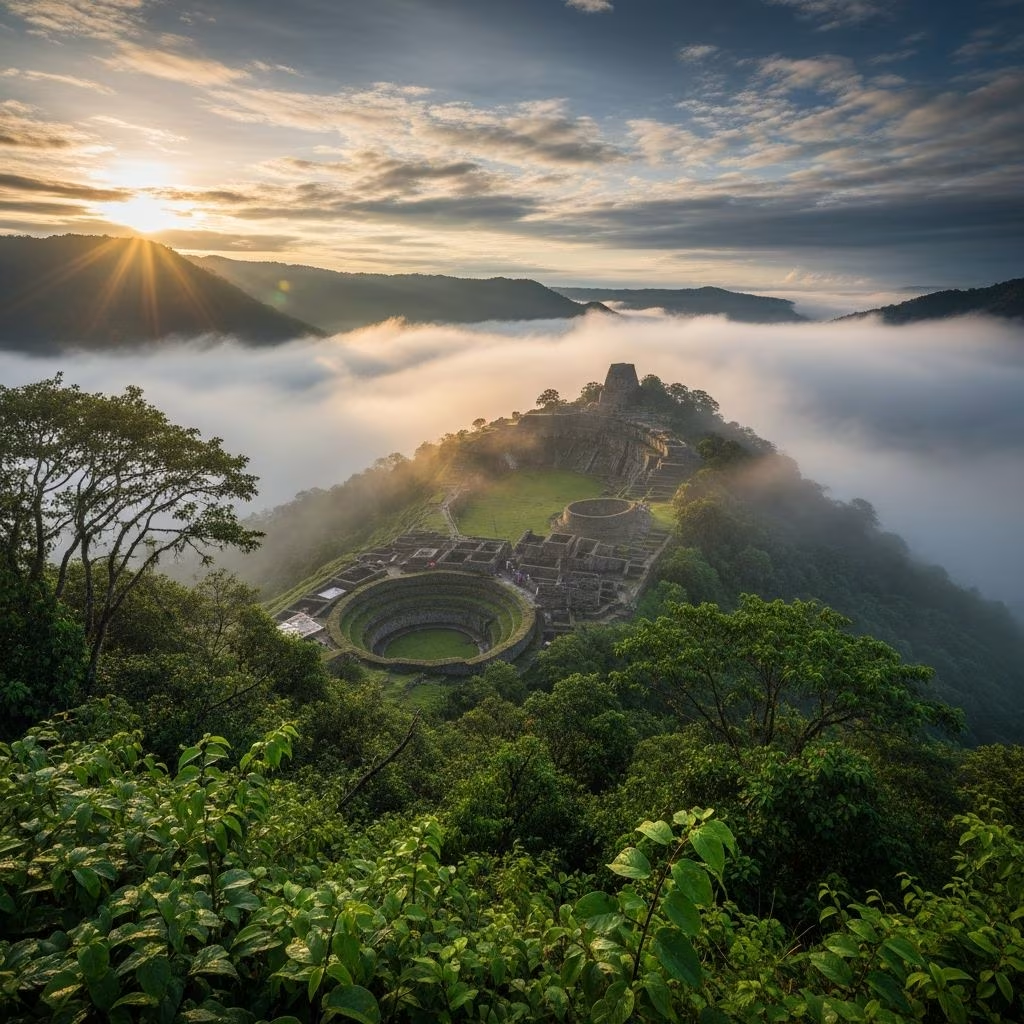
Chachapoyas’ ruins rival Machu Picchu in intrigue but draw far fewer crowds, preserving an air of discovery. Start with the crown jewel: Kuélap, a massive walled citadel perched at 3,000 meters.
Constructed between 900-1470 CE, Kuélap spans 6 hectares atop a ridge, encircled by 20-foot-high stone walls. Home to over 400 structures, including temples and residences, it served as a political and religious hub. Access via cable car from El Tingo makes it visitor-friendly, revealing panoramic cloud forest vistas.
| Feature | Description |
|---|---|
| Main Plaza | Ceremonial heart with towering El Templo Mayor. |
| Residential Units | Circular homes with decorative friezes. |
| Defensive Walls | Three layered enclosures for protection. |
Just 1.6 miles from Chachapoyas town, this museum showcases over 200 mummies from Laguna de los Cóndores, dating from Chachapoya to colonial eras. Artifacts like ceramics, textiles, and bone instruments offer glimpses into daily life. Stroll the orchid gardens featuring 100+ species.
These six 2.5-meter anthropomorphic sarcophagi cling to a sheer cliff, guarding elite remains. A short hike reveals their eerie, painted faces overlooking the valley—a testament to Chachapoya funerary art.
Beyond ruins, Chachapoyas dazzles with pristine wilderness. Trails wind through cloud forests teeming with birds and orchids.
At 771 meters, Gocta is one of the world’s highest free-falling waterfalls. A 6-hour round-trip hike from the trailhead immerses you in biodiversity hotspots. Mist-shrouded drops create rainbows, best visited in dry season (May-September).
Delve 1,640 feet into this cavern for stalactites, ancient paintings, and Chachapoya bones. Guides provide helmets and lamps; sturdy boots essential for muddy paths. Bats add to the mystical ambiance.
Cluster of stone mausoleums resembling small houses dot the hillside. Nearby, Laguna de los Cóndores offers multi-day treks to remote chullpas amid rainforests.
The capital of Amazonas region sits at 2,335 meters, requiring no acclimatization. Founded in 1538, its streets feature fossil-paved sidewalks, colonial balconies, and lively plazas like Plaza de Armas. Browse Mercado Modelo for regional breads, fruits, and chilcano cocktails.
Stay in cozy hostales or boutique hotels; dine on trout from local rivers or hearty juane rice packets. Visit the Gilberto Tenorio Ruiz room for Chachapoya exhibits.
Fly into Shillo Airport (40 minutes from town) from Lima or Tarapoto. Buses from Chiclayo or Cajamarca take 8-12 hours. Rent a car for flexibility, but colectivos serve major sites.
Dry season (May-October) ideal for hiking; wet months (November-April) lush but trails slippery.
Yes, it’s welcoming and low-crime; stick to marked trails.
4-7 days to cover highlights without rushing.
Around 20 PEN; cable car extra ~25 PEN.
Pair with Kuelap and northern beaches or Cusco loop.
Abundant: fresh produce, Andean staples.
In Chachapoyas, history whispers from stone walls, waterfalls roar with primal force, and forests pulse with life. Far from tourist throngs, it rewards those seeking authentic Peru—where every trail reveals a new layer of wonder. Plan your journey to this cloud kingdom today.
