

 Travel Essentials
 Travel Essentials

Explore California's Channel Islands with top activities like sea cave kayaking, kelp forest snorkeling, island fox encounters, and epic hikes amid stunning marine life and rugged landscapes.
 Travel Essentials
The Channel Islands, often called the “Galápagos of North America,” offer a pristine escape from mainland crowds. Archipelagoes off California’s coast boast unique ecosystems, endemic species, and dramatic seascapes. Accessible primarily by ferry from Ventura, these islands reward adventurers with untouched nature and thrilling activities. This guide covers essential experiences, practical tips, and planning advice for an unforgettable visit.
Reaching the Channel Islands starts with a scenic boat ride from Ventura Harbor. Island Packers, the authorized concessioner, operates daily ferries to key spots like Anacapa, Santa Cruz, Santa Rosa, and San Miguel. Trips range from 1 hour to Anacapa to over 3 hours for Santa Rosa. Expect dolphins leaping alongside and occasional whale sightings in season (December-April for grays, summer for humpbacks and blues). Book in advance, especially summer weekends; motion sickness meds recommended for choppy waters.
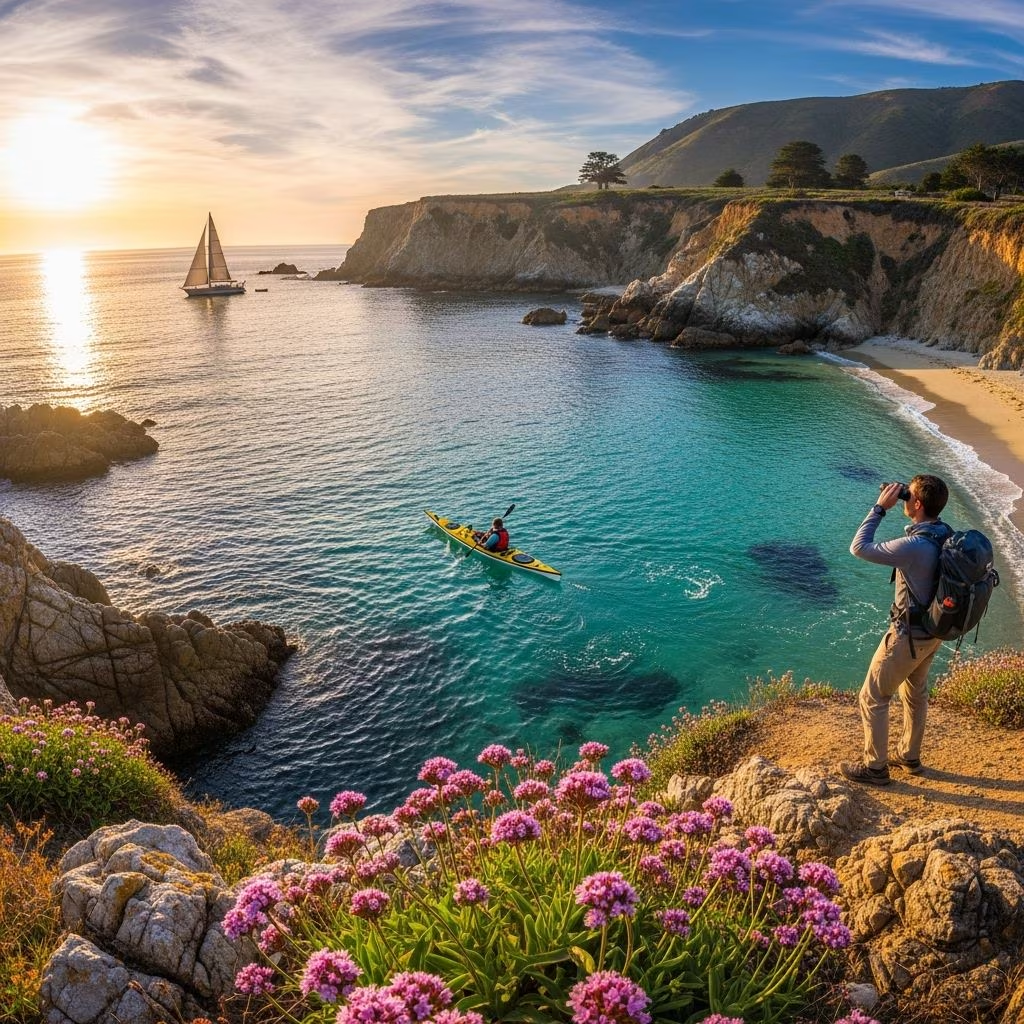
Kayaking stands out as a premier way to explore the islands’ dramatic coastlines. Paddle into towering sea caves, under natural arches, and amid swaying kelp forests. Guided tours from Scorpion Anchorage on Santa Cruz or Prisoners Harbor ensure safety amid strong currents and swells. Ventures like Painted Cave—among the world’s largest at 300 meters deep—reveal colorful rock formations and echoing chambers.
On Anacapa, tours navigate crystal waters to spot sea lions basking on rocks. Rentals available onshore, but novices should join experts. Summer mornings offer calmest conditions; expect 2-4 hour outings with wildlife narration.
| Island | Top Kayak Spot | Highlights | Duration |
|---|---|---|---|
| Santa Cruz | Scorpion Anchorage | Sea caves, kelp forests | 3 hours |
| Anacapa | East End | Anacapa Arch, sea lions | 2.5 hours |
| Santa Rosa | Beaches Cove | Remote arches | 4 hours |
Beneath the waves, Channel Islands host some of California’s healthiest kelp forests—towering underwater “trees” teeming with life. Snorkel Scorpion Cove on Santa Cruz for easy beach access to bright orange garibaldi fish, spiny purple urchins, massive sheephead wrasses, and playful seals. Visibility often exceeds 50 feet in summer.
Rent gear at landings or bring your own; wetsuits essential year-round (water 55-65°F). Advanced divers target sites like Harris Point for leopard sharks. Guided snorkel trips include instruction and spotting tips. Best April-October; watch for currents.
Over 100 miles of trails crisscross the islands, from easy loops to strenuous ridges. Santa Cruz’s Cavern Point Loop (2 miles) delivers cliff-edge panoramas and wildflowers in spring. Potato Harbor Trail (5 miles) overlooks jagged sea stacks. For challenge, Montañon Ridge Loop (12 miles) climbs 1,500 feet with 360° views.
Santa Rosa offers Water Canyon to remote beaches. Anacapa’s short paths lead to Inspiration Point amid gull colonies. Pack water—no sources on most islands. Spring blooms lupine and poppies; fall cooler hikes.
Overnighting amplifies the island magic. Permits required via recreation.gov; sites limited. Santa Cruz’s Scorpion Canyon (25 sites) is beginner-friendly, 1-mile hike from dock. Santa Rosa’s Water Canyon suits families; backcountry beaches (Aug-Nov) for solitude. Expect wind, foxes raiding packs—hang food. No fires; stoves only. Stargazing rivals best parks—no light pollution.
Endemic island foxes—quarter mainland size—roam freely, especially Santa Cruz and Rosa. Don’t feed; observe from distance. Elephant seals haul out on San Miguel (16-mile hike); sea lions bark from caves. Birders tally 150+ species: western gulls nest April-May on Anacapa, Xantus’s murrelets offshore. Spring pelican migrations spectacular.

Island foxes thrive post-recovery programs.
Human history layers the wilds. Scorpion Ranch on Santa Cruz, once sheep operation, now museum with island fox exhibits. Chumash middens dot shores—ancient shell piles. WWII watchtowers perch cliffs. Guided walks interpret ranching era ending 1980s.
Peak season May-September: warm, dry. Whale migration Dec-April. Avoid winter storms. Essentials: sturdy shoes, sun protection, binoculars, dry bags, reef-safe sunscreen. No food/services beyond ranger stations; pack out all trash.
| Season | Weather | Best For |
|---|---|---|
| Spring | 60°F, flowers | Birding, hiking |
| Summer | 70°F, calm seas | Kayaking, snorkel |
| Fall | 65°F, fewer crowds | Camping |
| Winter | 55°F, whales | Marine mammals |
Day Trip (Santa Cruz): Ferry to Scorpion, hike Cavern Point/Potato Harbor, snorkel cove, kayak sunset caves.
Overnight (Santa Rosa): Ferry, hike to camp, beachcomb, stargaze.
Multi-Island (3 Days): Anacapa birds, Santa Cruz adventures, Rosa backcountry.
Island Packers for boats (islandpackers.com); recreation.gov for camping.
Basic: composting toilets, picnic tables. No water/showers except select sites.
Yes for ages 8+; shorter hikes, calm kayaks ideal. Life jackets mandatory.
Limited; trails rough, ferries have some wheelchair spots.
Peak Dec-April grays; summer blues/humpbacks via Island Packers.
Tread lightly: stay trails, no feeding wildlife, reef-safe products. Support by joining Nature Conservancy hikes. Islands fragile—your visit preserves them.
