

 Travel Essentials
 Travel Essentials

Explore Charleston's Historic District, plantations, beaches, and culinary scene in this ultimate travel guide featuring must-see spots, tips for visitors, and local insights.
 Travel Essentials
Charleston, South Carolina, blends Southern elegance with coastal allure, offering visitors a mix of preserved history, flavorful cuisine, and scenic landscapes. This guide uncovers the city’s top draws, from pedestrian-friendly streets to plantation estates and harbor views, helping you craft an unforgettable itinerary.
Nicknamed the Holy City for its numerous church steeples piercing the skyline, Charleston exudes timeless appeal through its pastel-hued homes, moss-draped oaks, and lively markets. Founded in 1670, it played pivotal roles in the American Revolution, Civil War, and Gullah Geechee heritage preservation. Today, it balances tradition with modern vibrancy, drawing millions annually for its walkable core and proximity to beaches.
The city’s peninsula layout encourages exploration on foot or by carriage, revealing architectural gems like Georgian mansions and wrought-iron gates. Beyond landmarks, Charleston’s Lowcountry cuisine—featuring shrimp and grits, she-crab soup, and pralines—anchors its food scene, while events like the Spoleto Festival add cultural flair.
The Historic District, bounded by the Ashley and Cooper Rivers, forms Charleston’s pulsing core. Start at Waterfront Park, where the Pineapple Fountain symbolizes hospitality—a nod to seafarers’ prized fruit. Stroll along the pier for harbor vistas, then head to the iconic Rainbow Row, a stretch of Georgian houses painted in vibrant pastels since the 1930s to boost morale during the Depression.
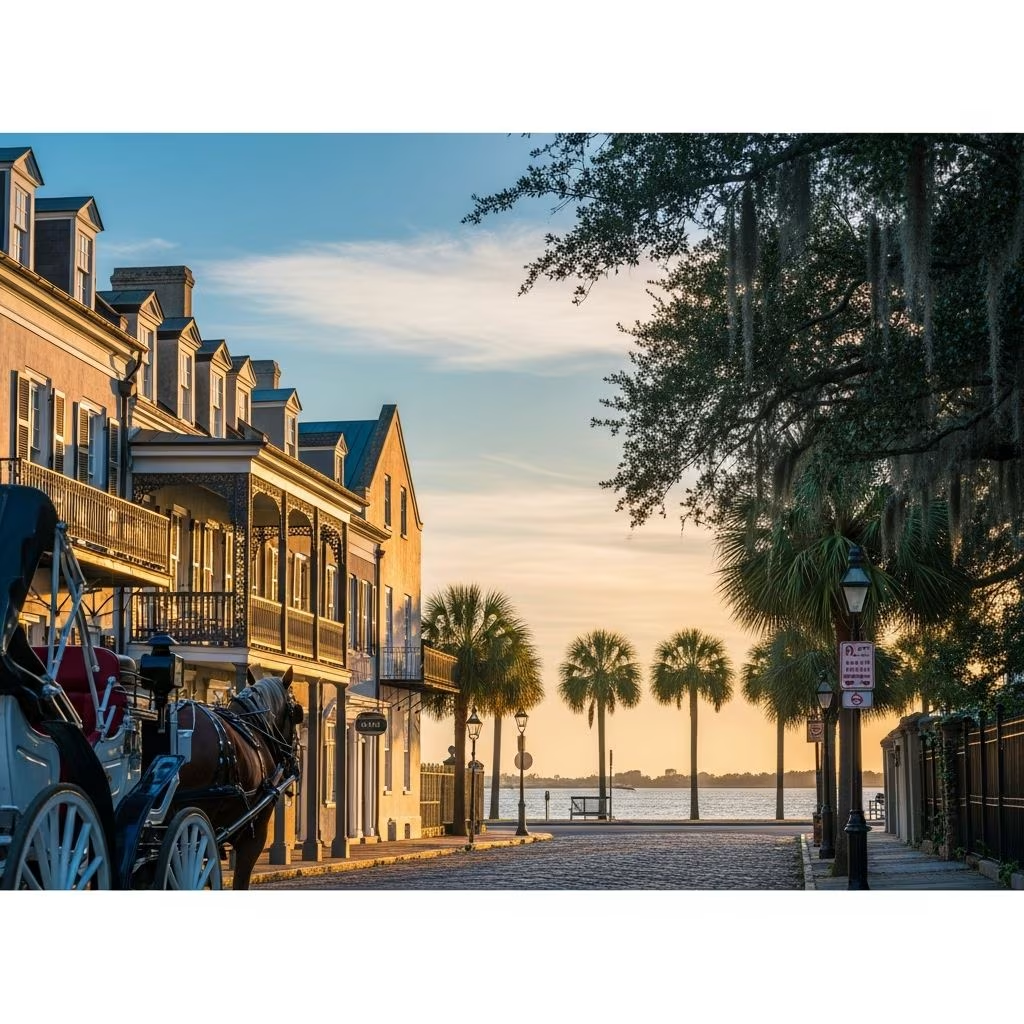
For deeper history, join a carriage tour through quieter lanes south of Broad Street, learning anecdotes about pirate hangings and walled city origins.
Charleston’s past unfolds at key sites. The Charleston City Market, operating since 1807, buzzes with sweetgrass basket weavers—descendants of Gullah artisans—and vendors selling local crafts, soaps, and art. Spend an afternoon haggling and sampling.
Delve into somber chapters at the Old Slave Mart Museum, which details the domestic slave trade, or the Aiken-Rhett House, preserved with unrestored slave quarters for authentic context. Fort Sumter National Monument, accessible by boat, marks the Civil War’s first shots; ferries offer narrated trips with peninsula panoramas.
| Landmark | Highlight | Best For |
|---|---|---|
| City Market | Sweetgrass baskets, local vendors | Shopping & culture |
| Fort Sumter | Civil War history, boat ride | History buffs |
| Nathaniel Russell House | Freestanding spiral staircase | Architecture lovers |
| Old Exchange & Provost Dungeon | Colonial artifacts, underground tours | Families |
Venture 20-30 minutes from downtown to the Ashley River Road plantation district, where preserved estates reveal antebellum life and enslaved histories. Magnolia Plantation, America’s oldest public gardens (est. 1676), boasts blooming azaleas, a petting zoo, butterfly house, and slave cabin tours—ideal for families.
McLeod Plantation emphasizes Gullah Geechee culture, with a 600-year-old oak and stories of enslaved communities. Boone Hall’s oak-lined avenue and cotton dock evoke Hollywood fame, while Drayton Hall offers the oldest unrestored plantation house. Middleton Place features terraced gardens and house ruins.
Pro tip: Book house tours in advance; many offer combo tickets for gardens and grounds.
For panoramic sights, hike or bike the Arthur Ravenel Jr. Bridge’s pedestrian path—186 feet above the Cooper River—spotting Fort Sumter, the USS Yorktown carrier, and marshlands. Access from downtown or Mount Pleasant; lock valuables securely.
The South Carolina Aquarium traces local ecosystems from rivers to reefs, with touch tanks and sea turtle rescues. On rainy days, it’s a cool escape.
Charleston boasts six beaches within 30 minutes. Folly Beach offers surf lessons and shacks; Isle of Palms provides calm waters and golf; Sullivan’s Island features lighthouses and Boneyard Beach driftwood.
Mount Pleasant across the bridge charms with waterfront dining and Shem Creek kayaking amid dolphins.
Charleston’s dining shines with farm-to-table spots emphasizing seafood and heirloom grains. Try shrimp and grits at Husk, oyster roasts at 167 Raw, or BBQ at Rodney Scott’s. Markets yield fresh pralines and benne wafers.
Vegetarian options abound, like fig salads at The Ordinary. For budget eats, po’boys and fish camps deliver.
French Quarter suits luxury seekers with boutique inns; South of Broad offers mansion B&Bs; Mount Pleasant provides beach resorts. Budget travelers favor hostels near King Street.
| Neighborhood | Vibe | Stay Price Range |
|---|---|---|
| French Quarter | Romantic, historic | $$$-$$$$ |
| Historic District | Walkable, central | $$-$$$ |
| Mount Pleasant | Relaxed, scenic | $-$$ |
Best Time: Spring (March-May) for blooms, fall (Sept-Nov) for festivals; summers humid, winters mild.
Getting Around: Walk downtown; rent bikes or use trolleys; Uber for outskirts.
Budget: Free walks, markets; $20-50 for tours/museums; plantations $25+.
3-5 days covers essentials; add 2 for beaches/plantations.
Yes, especially the peninsula; wear comfy shoes for cobblestones.
Bridge walks, Waterfront Park, Historic District wandering.
Aquarium, Magnolia petting zoo, carriage rides.
Spoleto Festival (arts), Wine & Food Festival (cuisine).
Day 1: Historic Core Waterfront Park, Rainbow Row, City Market, carriage tour.
Day 2: Plantations & Bridge Magnolia, Ravenel walk, harbor sunset.
Day 3: Beaches & Aquarium Folly Beach, aquarium, she-crab soup dinner.
Charleston rewards slow exploration, blending education, indulgence, and natural beauty into a quintessential Southern escape.
