

 Travel Essentials
 Travel Essentials

Chattanooga, Tennessee, stands as the first National Park City in North America, celebrated for its transformation from industrial past to a green haven with abundant parks, trails, and biodiversity.
 Travel Essentials
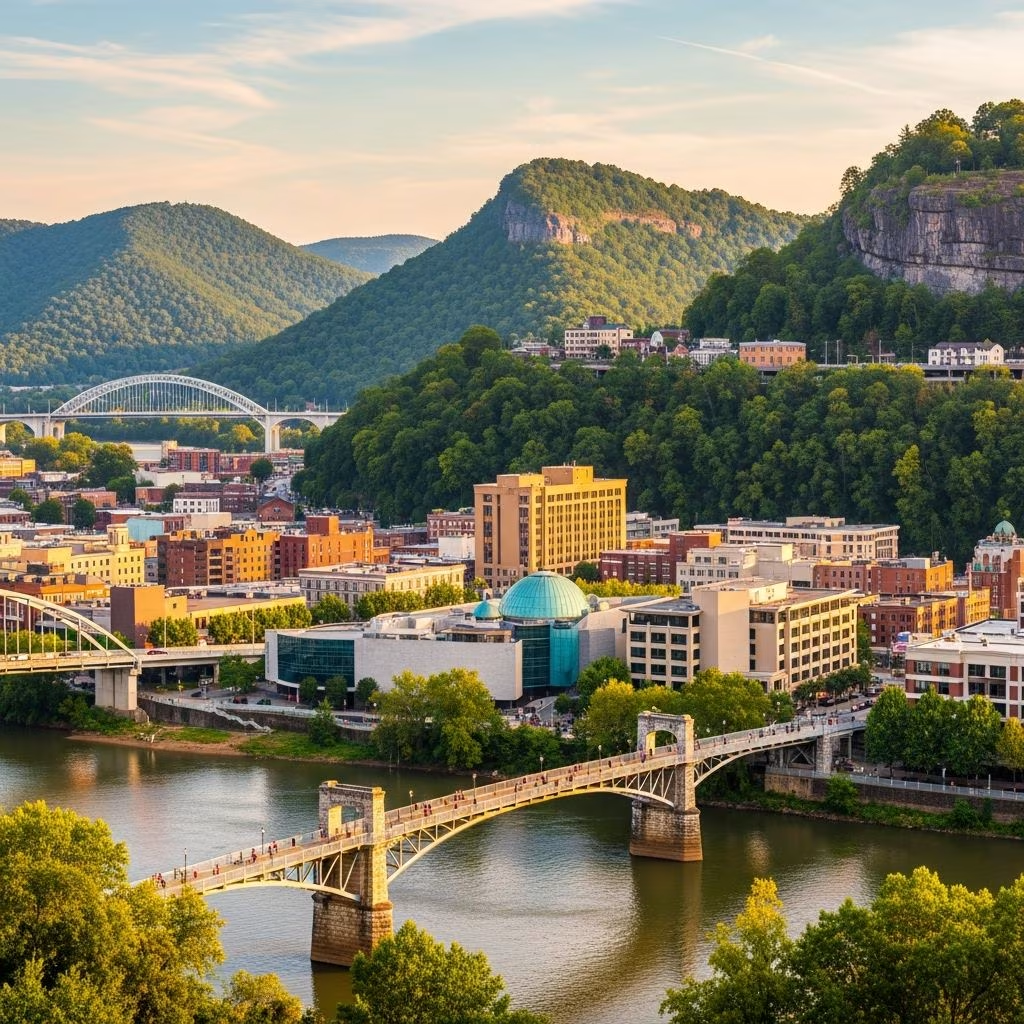
Chattanooga, Tennessee, achieved a historic milestone in 2025 by becoming North America’s inaugural National Park City, recognized through a rigorous peer review by the London-based National Park City Foundation. This distinction places it alongside global pioneers like London (2019) and Adelaide (2021), highlighting its commitment to integrating nature deeply into urban fabric. What began as a polluted industrial center in the 1970s has evolved into a vibrant outdoor paradise, boasting extensive greenspaces, clean waterways, and community-led conservation efforts.
Decades of dedicated revitalization have reshaped Chattanooga’s landscape. Once notorious for severe air and water pollution from manufacturing, the city launched ambitious clean-up projects in the late 20th century. Today, it features over 50 parks within city limits, numerous trails, and proximity to natural gems like the Tennessee River and surrounding mountains. This transformation underscores a community-driven ethos, where residents, businesses, and local government collaborate to enhance biodiversity and public health.
The National Park City designation celebrates this progress, emphasizing not just quantity of greenspace but quality of access and civic engagement. Chattanooga’s “Journey Book”—a comprehensive digital portfolio submitted during the application—detailed these achievements, earning approval after foundation visits and reviews. Residents now enjoy paddling, hiking, and rock climbing often within 20-30 minutes from downtown, a rarity for urban settings.
Nicknamed the “Scenic City,” Chattanooga offers residents and visitors immediate connections to nature. Key attractions include:
This seamless blend of city and wilderness fosters an active lifestyle, with events like the 2026 Seed Drive promoting ongoing conservation.
At its core, Chattanooga’s status stems from grassroots involvement. The Chattanooga National Park City campaign unites diverse stakeholders to preserve local culture, history, and ecology. Initiatives range from land trusts protecting river valleys to youth programs teaching environmental stewardship. The city’s supportive policies, including zoning for green corridors and incentives for urban forests, amplify these efforts.
| Era | Key Milestone | Impact |
|---|---|---|
| 1970s | Industrial pollution peak | Severe health and environmental crises | 1980s-2000s | River clean-up and park expansions | Improved water quality, new greenspaces | 2025 | National Park City recognition | Global acclaim, boosted tourism and sustainability |
This timeline illustrates a deliberate pivot toward resilience, with measurable gains in air quality and species diversity.
Chattanooga’s ecosystems thrive through targeted actions. Clean water programs have restored habitats for fish and birds along the Tennessee River, while land preservation shields forests from development. Urban wildlife corridors connect fragmented habitats, supporting pollinators and native flora. The city’s location in the Tennessee River Valley enhances its biodiversity, making it a hotspot for birdwatching and eco-tourism.
Future plans include expanding trail connectivity and launching biodiversity audits, ensuring the National Park City ethos endures.
Unlike traditional national parks, the National Park City model reimagines entire urban areas as nature-integrated zones. Founded in London, the initiative promotes healthier, wilder cities without NPS affiliation—it’s an independent push for urban greening. Chattanooga’s selection reflects its high park per capita ratio, robust civil society, and innovative projects like the Riverwalk, a 15-mile paved path drawing millions annually.
Local voices shaped the bid: thousands contributed to the portfolio, from neighborhood associations to corporate sponsors. This inclusivity sets a template for other U.S. cities eyeing similar honors.
Plan your trip with these must-dos:
Accommodations range from eco-lodges to downtown hotels, with events calendars listing festivals and clean-ups.
Chattanooga exemplifies practical sustainability. Bike-sharing programs, electric shuttles to trails, and zero-waste events minimize footprints. Businesses adopt green roofs, and schools integrate outdoor curricula. These steps not only secure the designation but position the city as a climate resilience leader.
Despite successes, hurdles remain: balancing growth with conservation and addressing equity in greenspace access. Ongoing 2026 initiatives, like the Seed Drive, aim to plant thousands of trees and engage underserved communities. Projections suggest further enhancements, potentially inspiring regional clusters of green cities.
A city committed to nature integration, biodiversity, and community health, certified by the National Park City Foundation—not affiliated with U.S. National Parks.
In 2025, following a year-long application and peer review.
Enhanced parks, cleaner air, more trails, and stronger community bonds.
Most are free; some attractions charge nominal fees.
Yes, via the foundation’s process, emphasizing local action.
Chattanooga’s story inspires urban renewal worldwide, proving cities can reclaim their wild hearts.
