


 Food & Culture
Food & Culture
Chengdu Travel Guide: Pandas, Hotpot, Culture & Day Trips
Explore Chengdu's dynamic fusion of historical treasures like temples and museums with modern marvels such as high-speed rail and luxury districts, offering a perfect balance of culture and innovation.
 Food & Culture
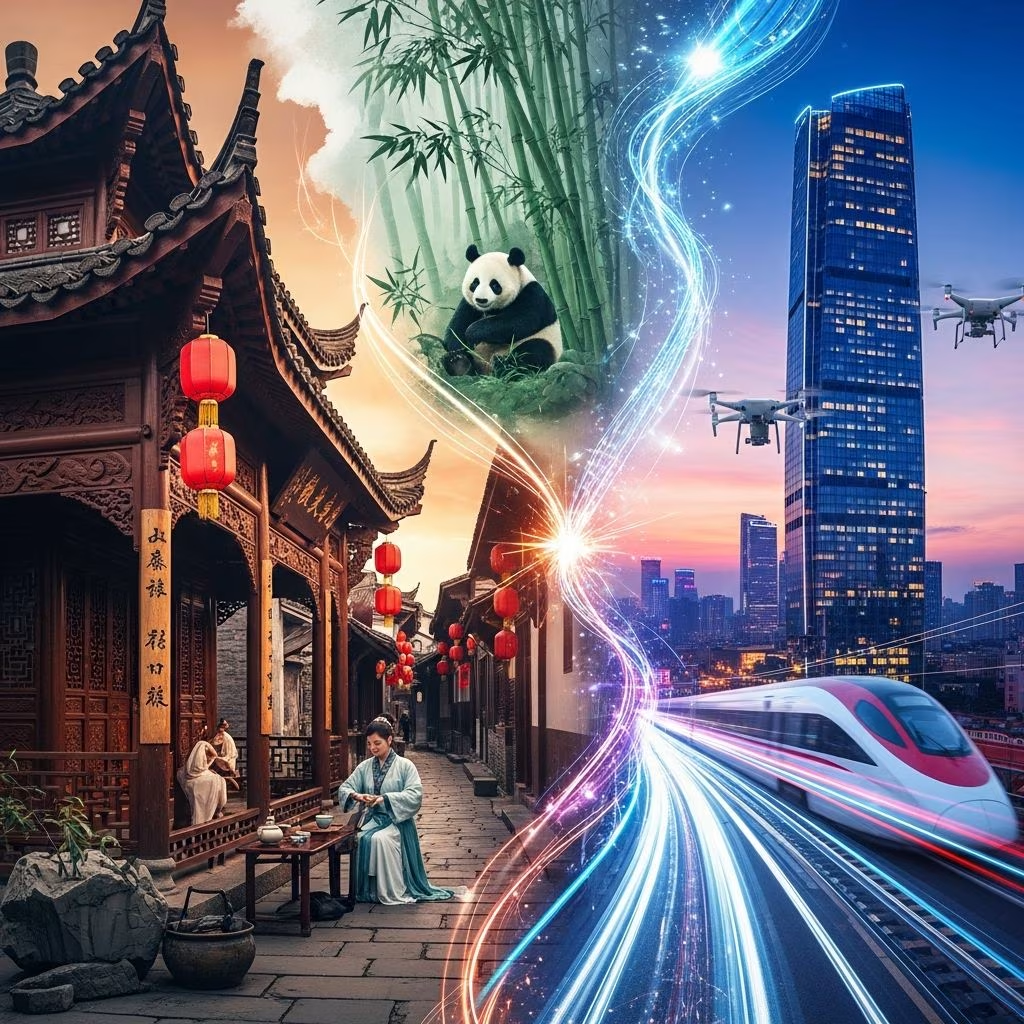
Chengdu, the pulsating heart of Sichuan province, stands as a testament to China’s ability to harmonize its storied past with a forward-looking future. This sprawling metropolis welcomes visitors with seamless high-speed rail connections and air-conditioned metros, yet within minutes, one can immerse in tranquil tea houses and incense-filled temples. Home to over 20 million residents, Chengdu thrives as an economic powerhouse while preserving cultural gems that date back millennia.
The Historical Foundations of a Modern Giant
Chengdu’s legacy traces to the ancient Shu Kingdom around 2400 years ago, when the fertile plains earned it the moniker ‘Tian Fu Zhi Guo’ or ‘Land of Abundance’ due to its rich irrigation systems and mineral wealth. This early civilization laid the groundwork for a city that has evolved through dynasties, wars, and revolutions, always maintaining its role as a political and commercial nexus.
At the core of this history lies Tianfu Square, Chengdu’s central hub flanked by the towering Mao Zedong statue. Adjacent to it, the Sichuan Museum showcases relics like the enigmatic 3,200-year-old Sanxingdui bronze masks, displayed in a striking contemporary lattice structure that symbolizes the city’s dual identity. These artifacts, unearthed from a Bronze Age site, reveal sophisticated artistry and rituals from a forgotten era, bridging visitors to Chengdu’s prehistoric roots.
Sacred Spaces Amid Urban Sprawl
Amid skyscrapers and bustling avenues, serene oases like People’s Park offer respite. This verdant expanse in the city center buzzes with locals practicing tai chi, playing mahjong under shady banyans, and savoring jasmine tea from street vendors. It’s a living snapshot of Chengdu’s laid-back lifestyle, where elders share stories and musicians strum traditional instruments.
Wenshu Temple, the largest preserved Buddhist monastery in Chengdu, exudes timeless peace. Dedicated to Manjusri, the Bodhisattva of Wisdom, its halls echo with soft chants and the scent of burning sandalwood. Monks in saffron robes glide through courtyards lined with ancient gingko trees, while vegetarian teahouses serve simple meals to contemplative visitors. Despite the influx of tourists, the temple maintains an aura of quiet introspection, inviting reflection on life’s impermanence.
- Key Features of Wenshu Temple: Expansive prayer halls, serene gardens, and a monastic teahouse offering herbal brews.
- Visitor Tip: Arrive early to witness morning rituals and avoid peak crowds.
- Cultural Note: Participate in copying sutras for a meditative experience rooted in Buddhist tradition.
Performing Arts: A Spectacle of Skill and Mystery
Chengdu’s theaters pulse with Sichuan opera, a vibrant tradition blending music, acrobatics, and illusion. Venues like Shufeng Yayun present bian lian, the mesmerizing face-changing technique where performers swap ornate masks in split seconds using elaborate headdresses. This art form, paired with fire-spitting, shadow puppetry, and gravity-defying stunts, captivates audiences nightly.
These performances not only entertain but preserve intangible cultural heritage. Trained from childhood, artists master disciplines passed down generations, ensuring Sichuan’s operatic flair endures in the digital age. Watching a show feels like stepping into a living myth, where color, sound, and motion converge in hypnotic rhythm.
Culinary Crossroads: Spice and Sophistication
No exploration of Chengdu omits its fiery cuisine, famed for Sichuan peppercorn’s numbing ‘mala’ sensation and bold chilies. Street stalls and upscale eateries alike serve hotpot, dan dan noodles, and mapo tofu, drawing food lovers worldwide. Chengdu boasts more Michelin-starred spots per capita than many global cities, fusing regional recipes with innovative twists.
Beyond spice, teahouses dot neighborhoods, fostering social bonds. Patrons linger over pu’er or oolong, debating philosophy or conducting business in a ritual as old as the city itself. This gastronomic scene underscores Chengdu’s reputation for leisurely living amid rapid growth.
| Dish | Key Ingredients | Signature Experience |
|---|---|---|
| Hotpot | Sichuan peppercorn, chilies, meats, veggies | Interactive boiling cauldron with numbing broth |
| Mapo Tofu | Tofu, ground pork, fermented bean paste | Spicy, silky heat that tingles the palate |
| Dan Dan Noodles | Wheat noodles, sesame paste, preserved veggies | Street-food classic with layered flavors |
Iconic Pandas: Nature’s Gentle Ambassadors
Chengdu’s association with giant pandas elevates it to global fame. The Chengdu Research Base of Giant Panda Breeding houses over 200 of these bamboo-munching icons in semi-wild enclosures mimicking their mountain habitats. Visitors observe playful cubs tumbling in mist-shrouded forests, learning about conservation efforts that have boosted wild populations from under 1,000 in the 1980s to over 1,800 today.
Interactive programs allow closer encounters, like panda volunteer shifts involving bamboo preparation. These initiatives highlight Chengdu’s commitment to biodiversity, with nearby reserves protecting the panda’s Sichuan homeland.
Shopping and Lifestyle Districts: Luxury Meets Local
Modern Chengdu shines in areas like Taikoo Li and IFS, open-air complexes merging heritage architecture with high-end boutiques. Stroll cobblestone lanes past Gucci and Versace, then sip craft cocktails at trendy bars or savor matcha at %Arabica. Tax-free shopping at IFS adds appeal for international jet-setters.
These districts exemplify urban renewal: restored Qing dynasty buildings house galleries and cafes, preserving aesthetics while injecting contemporary energy. Evenings bring lantern-lit streets alive with fashion-forward crowds, blending global luxury with Chengdu’s cool vibe.
Transportation: Seamless Connectivity
Chengdu’s infrastructure rivals top-tier cities. The bullet train from Chengdu Tianfu International Airport whisks passengers downtown in 30 minutes, equipped with Wi-Fi and plush seating. Expansive metro lines, DiDi rideshares, and bike-sharing apps make navigation effortless, supporting the city’s 100 million annual tourists.
This efficiency frees travelers to focus on experiences, from dawn markets to midnight shows, embodying Chengdu’s ethos of accessible wonder.
Day Trips: Expanding the Horizon
Venture beyond the city to Leshan’s colossal Buddha, a 71-meter cliff-carved marvel from the Tang Dynasty, or Mount Emei, a sacred Buddhist peak shrouded in clouds. Dujiangyan Irrigation System, a 2,200-year-old engineering feat, still channels Min River waters, preventing floods and irrigating vast plains. These UNESCO sites enrich any itinerary with natural and historical depth.
- Leshan Giant Buddha: World’s largest stone Buddha, viewable by boat or staircase.
- Mount Emei: Hiking trails, monkey troops, and golden summit temple.
- Dujiangyan: Ancient dam showcasing hydraulic genius.
Practical Tips for Your Chengdu Adventure
Best visited spring or autumn for mild weather. Download translation apps like Pleco for menus and signs. Book panda base tickets online to skip lines. Embrace ‘chengdu ren’ hospitality—locals love sharing their city.
Frequently Asked Questions
What is the best time to visit Chengdu?
Spring (March-May) and autumn (September-November) offer pleasant temperatures and fewer crowds, ideal for outdoor sites like parks and panda bases.
How do I get around Chengdu efficiently?
Use the metro for affordability, DiDi for rideshares, or high-speed trains for day trips. Bikes are great for short distances in flat areas.
Is Chengdu safe for solo travelers?
Yes, with low crime rates and friendly locals. Standard precautions apply in crowded tourist spots.
What should I not miss in Chengdu?
Panda base, Sichuan opera, hotpot dinner, Wenshu Temple, and Tianfu Square for a full cultural immersion.
Are there vegetarian options in Chengdu?
Abundant, especially at temples and modern eateries offering plant-based Sichuan flavors.
References
- Old meets new in Chengdu — Lonely Planet. 2023. https://www.lonelyplanet.com/articles/old-meets-new-chengdu
- Chengdu: Sichuan’s Fascinating Capital — South China Morning Post. 2018-10-01. https://www.scmp.com/presented/news/china/topics/go-china-chengdu/article/2125779/chengdu-sichuans-fascinating-capital
- 8 Incredible Places to Visit in and Around Chengdu — PR Newswire. 2024-10-01. https://www.prnewswire.com/news-releases/8-incredible-places-to-visit-in-and-around-chengduchinas-city-of-pandas-hotpot-and-heritage-302470583.html
- City Guide: Chengdu, China — Virtuoso. 2023. https://www.virtuoso.com/travel/articles/city-guide-chengdu-china
On This Page
The Historical Foundations of a Modern Giant Sacred Spaces Amid Urban Sprawl Performing Arts: A Spectacle of Skill and Mystery Culinary Crossroads: Spice and Sophistication Iconic Pandas: Nature's Gentle Ambassadors Shopping and Lifestyle Districts: Luxury Meets Local Transportation: Seamless Connectivity Day Trips: Expanding the Horizon Practical Tips for Your Chengdu Adventure Frequently Asked Questions← Previous
Best Richmond, VA Neighborhoods to Live In
Next →
Best Newport, RI Beaches: A Guide to Top Coastal Spots
Related Reading
More in Food & Culture
Food & Culture Food & Culture
 Food & Culture
Best Places to Eat in Rome: Neighborhood Dining Guide
 Food & Culture
 Food & Culture