


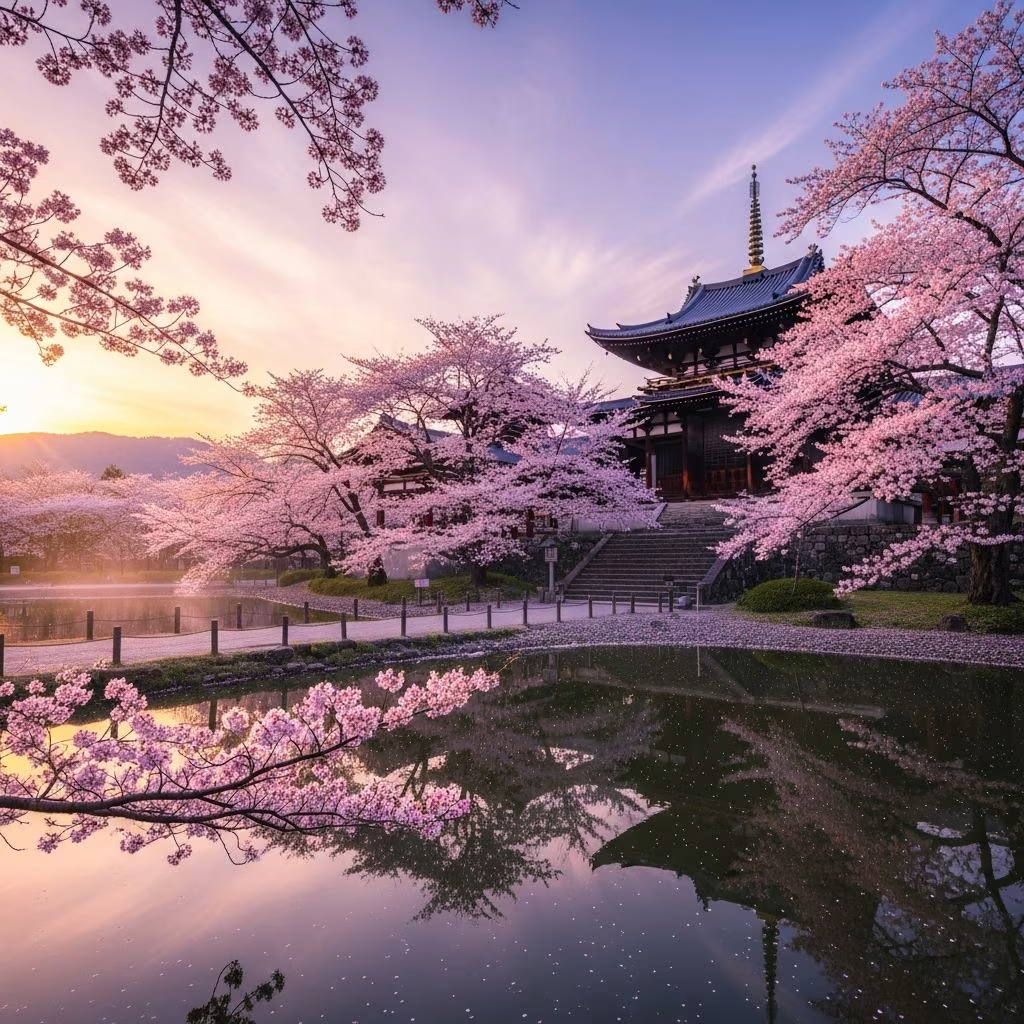
The annual cherry blossom phenomenon in Japan represents one of the world’s most celebrated natural events, drawing millions of visitors who travel specifically to witness the delicate pink and white petals adorning the landscape. Understanding the mechanics of this seasonal spectacle, combined with strategic planning, transforms a casual sightseeing trip into an unforgettable cultural experience that connects you with centuries of Japanese tradition.
Understanding the Geographic and Temporal Spread of Blooms
Cherry blossom season operates on a predictable geographical progression that moves from south to north across the Japanese archipelago. The phenomenon commences in the subtropical southern regions during winter months and concludes in the far northern territories as late spring transitions into early summer. This extended timeline creates opportunities for travelers to pursue the blooms across multiple locations or carefully time a single visit to catch peak flowering in their preferred destination.
The bloom progression typically unfolds as follows: southern Okinawa experiences the earliest flowering beginning in January, followed by central and western regions including Kyushu and the Chugoku area during late March into early April. The Kanto region, encompassing Tokyo and surrounding prefectures, reaches its peak during late March through early April. Moving northward, the Kansai region featuring Kyoto and Osaka experiences similar timing to Tokyo, while northern territories including Hokkaido delay blooming until late April through early May.
Regional Bloom Timelines and Peak Viewing Windows
Strategic travelers benefit from understanding the specific timing for major urban centers and renowned viewing destinations. Tokyo’s cherry trees typically enter their flowering phase around late March, reaching full bloom approximately one week later. This timing provides a reliable window for visitors planning arrival in the capital city, with the Yamanote Line providing convenient access to multiple viewing locations throughout the metropolitan area.
The Kansai region, encompassing Osaka, Kyoto, and surrounding areas, experiences comparable bloom timing to Tokyo with only minor regional variations. Osaka’s famous castle grounds traditionally reach peak bloom during early April, while Kyoto’s numerous temples and gardens showcase their blossoms throughout the same period. This synchronization allows travelers to experience multiple destinations within a single trip without missing peak bloom conditions.
Hiroshima and the surrounding Chugoku region display blossoms slightly earlier than Kansai, with peak viewing typically occurring in late March through early April. This earlier timing creates opportunities for travelers heading northward to catch multiple bloom cycles by moving sequentially through regions.
The Kanazawa area, notable for its proximity to historical gardens and the distant silhouette of Mt. Fuji, experiences later blooming beginning in early April and extending through mid-April. This delay makes Kanazawa an excellent secondary destination for travelers who wish to extend their sakura season experience beyond the initial Tokyo-Kyoto-Osaka cluster.
Northern Hokkaido represents the final frontier of the seasonal progression, with blooms typically appearing in late April and persisting into early May. This extended timeline provides exceptional flexibility for travelers who prioritize avoiding crowds or prefer experiencing springtime conditions in cooler northern climates.
Major Cherry Blossom Festival Destinations
Japan’s most celebrated viewing locations often host organized festivals that enhance the visitor experience with cultural programming, food vendors, and evening illumination of the blossoms. These festivals transform simple scenic spots into dynamic social events where the act of viewing becomes part of a broader celebration.
Ueno Park in Tokyo stands as one of Japan’s largest and most historically significant cherry blossom celebration sites. The expansive park accommodates thousands of visitors simultaneously and offers diverse viewing experiences from formal promenade walks to informal picnic gatherings beneath the trees. Evening illumination transforms the park into a magical landscape, with sophisticated lighting systems highlighting the delicate blossoms against the darkened sky. The festival consistently draws crowds that reflect the deep cultural attachment Japanese society maintains toward the seasonal ritual.
Osaka Castle Park presents one of the nation’s most visually striking combinations of cultural heritage and natural beauty. The fortress structure creates a dramatic architectural backdrop for the estimated 4,000 cherry trees distributed throughout the expansive grounds. The juxtaposition of the white and pink blossoms against the castle’s imposing stone walls creates photographic opportunities unmatched in most other Japanese locations. Peak viewing occurs during early April, with the park’s evening illumination program extending viewing possibilities into nighttime hours.
Mount Yoshino offers an entirely different aesthetic experience, with approximately 30,000 cherry trees planted at varying elevations creating successive blooming waves that persist throughout April. The mountainous terrain provides genuine forest immersion rather than the urban park experience found in major cities. The site’s designation as a UNESCO World Heritage area and its status as a sacred pilgrimage destination add cultural dimensions beyond the purely botanical attraction. The topography creates distinct viewing zones including the lower slopes, middle elevations, and mountaintop areas, each offering unique perspectives and crowd distributions.
Kanazawa’s Kenrokuen Garden represents classical Japanese landscape design principles integrated with cherry blossom aesthetics. The garden’s carefully composed natural scenes, water features, and architectural elements create viewing environments that appeal to those seeking refined aesthetic experiences rather than festival atmospheres. The timing of Kanazawa blooms, slightly later than major urban centers, provides extended season opportunities for travelers unable to coordinate earlier dates.
Hokkaido’s festival locations, including the Goryokaku fortress site in Hakodate and parks throughout Sapporo, deliver the experience of cherry blossoms in northern springtime conditions. These destinations attract experienced travelers who appreciate the quieter crowds and different atmospheric qualities of northern seasons. The timing advantage allows creation of multi-week itineraries that pursue the bloom progression northward.
Transportation Infrastructure and Regional Accessibility
Japan’s comprehensive rail network facilitates efficient movement between cherry blossom destinations, with the Japan Railways (JR) system providing the primary intercity transportation infrastructure. The JR Pass represents a critical tool for travelers planning multi-destination itineraries, offering unlimited travel across virtually all JR rail lines for fixed periods ranging from one to three weeks. This pass eliminates the financial uncertainty of ticket-by-ticket purchases and provides psychological freedom to adjust routes based on real-time bloom conditions.
The Shinkansen bullet train system connects major urban centers with journey times ranging from several minutes to a few hours between destinations. Tokyo to Kyoto requires approximately two hours, while Tokyo to Hiroshima requires roughly four hours. These efficient connections enable creation of linear itineraries that progress through regions with blooming cherry trees without excessive travel time.
The Yamanote Line in Tokyo provides circular routing through the metropolitan area, connecting multiple cherry blossom viewing locations including Ueno Park, Shinjuku Gyoen, and lesser-known neighborhood destinations. This infrastructure allows creation of single or multi-day exploration strategies within the capital without requiring return to central locations.
Local transportation within individual cities typically combines train systems, bus networks, and pedestrian access. Most major viewing sites position themselves adjacent to major transit hubs, ensuring accessibility without requiring private vehicle rental or reliance on taxis.
Specialized Viewing Experiences and Enhancement Opportunities
Beyond standard park viewing, several specialized experiences provide alternative perspectives on the cherry blossom phenomenon. Boat-based viewing, available at multiple locations including Tokyo’s Sumida River and Chidori-Ga-Fuchi moat, offers water-level perspectives of the blossoms with the unique experience of traveling beneath arching tree canopies. These experiences typically require advance booking during peak bloom periods, as demand regularly exhausts available capacity.
Evening illumination programs at major venues transform daytime visiting into entirely distinct nighttime experiences. Sophisticated lighting systems highlight the blossoms’ delicate structure and color differentiation against darkness, creating photographic and contemplative opportunities unavailable during daylight hours.
Food and beverage integration forms an essential component of the cherry blossom experience in Japanese culture. Vendors throughout festival sites offer seasonal specialties including sakura-flavored treats, traditional prepared foods, and beverages specifically created for the season. Participating in this culinary dimension adds cultural authenticity to the viewing experience.
Practical Planning Considerations and Logistical Guidance
Successful cherry blossom tourism requires balancing advance planning with flexibility to accommodate weather variations and real-time bloom status changes. Booking accommodations six to nine months in advance ensures availability in popular destinations, as the seasonal event generates demand that rapidly exhausts hotel inventory across major cities.
Clothing selection necessitates awareness of regional temperature variations, particularly for travelers planning northbound progression through regions with different seasonal advancement. Southern regions may experience mild spring temperatures while northern areas remain cool, requiring layering strategies that accommodate both conditions.
Crowd management represents a significant planning component, particularly for peak bloom periods in major urban centers. Arriving at popular viewing locations early in the morning or during weekday periods reduces crowd pressure and improves photographic and aesthetic opportunities. Evening viewing hours attract different crowd compositions and provide alternative experiences from daytime visiting.
Weather monitoring enables strategic decision-making regarding viewing location and timing. Rain and high winds cause premature petal fall, potentially eliminating prime bloom conditions within days. Frequent forecast checks during the lead-up to travel allow last-minute routing adjustments to pursue optimal conditions.
Frequently Asked Questions About Cherry Blossom Season
- What is the optimal time to visit for cherry blossom viewing?
- The ideal period varies by region, but generally late March through early April captures peak bloom in most major urban destinations. Late April into May provides optimal conditions in northern regions including Hokkaido.
- Do I need advance reservations for viewing locations?
- Most public parks remain free and unreserved, though accommodations and specialized experiences like boat rentals benefit from early booking. Restaurant reservations become essential for popular venues during peak season.
- What should I bring for cherry blossom viewing?
- Comfortable walking shoes, layered clothing, a camera or mobile phone with photography capability, and sun protection represent standard requirements. Picnic enthusiasts should bring blankets and food items, as park spaces remain available for ground-level viewing throughout the day.
- How long do the blossoms remain in peak condition?
- Peak bloom typically persists for seven to ten days at any given location before natural petal fall accelerates. This relatively brief window creates time sensitivity for travelers coordinating schedules around optimal viewing conditions.
Creating Your Personal Cherry Blossom Journey
The cherry blossom season represents far more than botanical observation; it embodies Japanese cultural values regarding nature appreciation, seasonal awareness, and community gathering. Creating a personalized itinerary requires balancing standardized recommendations with individual preferences, logistical constraints, and comfort requirements. Whether pursuing an intensive multi-destination progression or focusing deeply on a single region, the experience of witnessing these ephemeral blossoms connects visitors with natural cycles that have inspired Japanese art, literature, and philosophy for centuries.
References
- Cherry Blossom Season Japan: 2-Week Itinerary — Your Way 2 Travel. 2026. https://yourway2travel.com/blog/cherry-blossom-season-japan-a-2-week-itinerary/
- In Bloom: A Complete Guide to Cherry Blossom Season in Japan — Japan Airlines (JAL). https://www.jal.co.jp/ar/en/guide-to-japan/experiences/cherry-blossom/cherry-blossom-festivals/
- Cherry Blossoms — Japan National Tourism Organization (JNTO). https://www.japan.travel/en/au/experience/cherry-blossoms/
- Cherry Blossom Forecast 2026 — Japan Guide. https://www.japan-guide.com/sakura/
- Ultimate 2026 Cherry Blossom Japan Guide — The Travel Intern. https://thetravelintern.com/cherry-blossom-japan-guide/
- Tokyo Cherry Blossom: 2026 Strategy Guide — Where and Wander. https://whereandwander.com/ultimate-tokyo-cherry-blossom-planning-guide-best-spots/

