

 Travel Essentials
 Travel Essentials

Explore Cheyenne, Wyoming's strategic location as a gateway to major national parks and outdoor attractions, featuring urban trails, state parks, and adventure activities.
 Travel Essentials
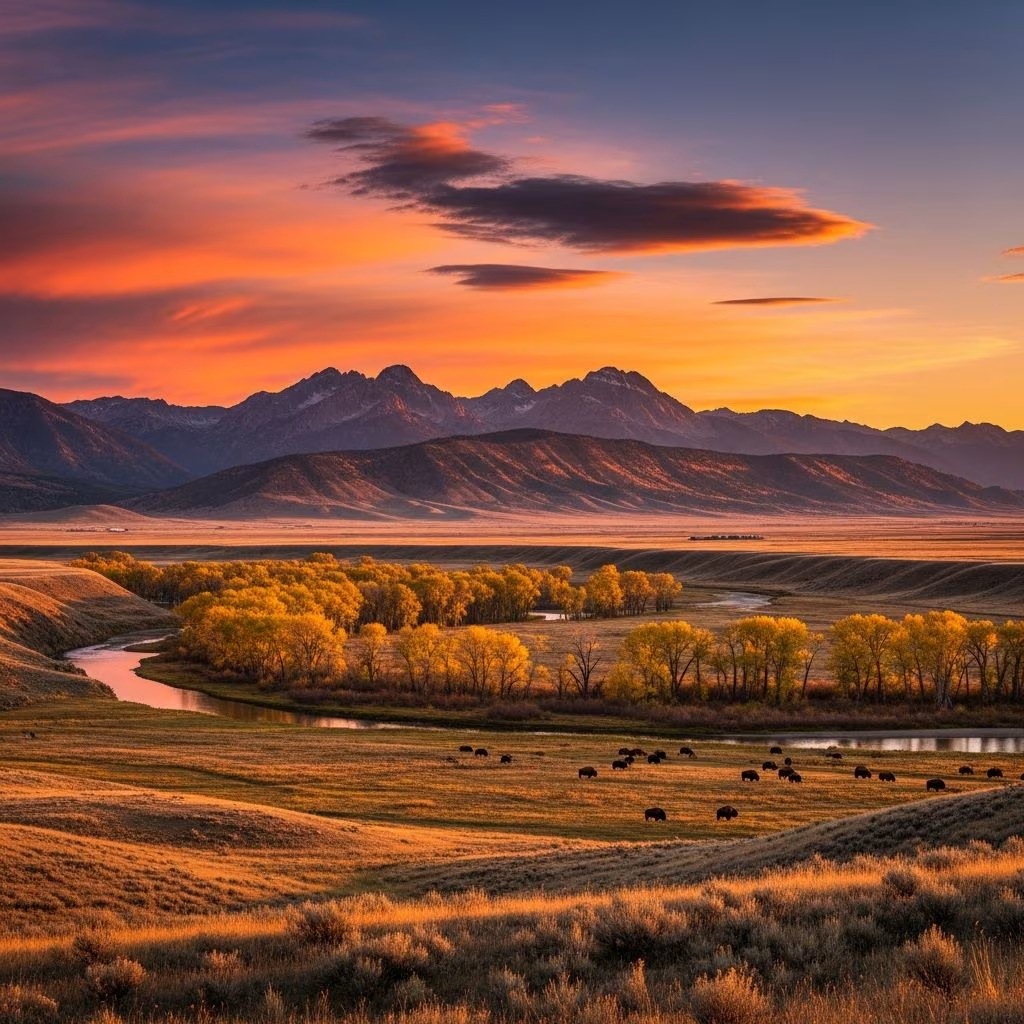
Nestled in southeastern Wyoming, Cheyenne has emerged as one of the region’s most strategic travel hubs for visitors planning expeditions to some of America’s most iconic natural landmarks. The state capital offers a unique combination of urban amenities and access to pristine wilderness areas, making it an ideal launching point for families and adventurers heading toward Yellowstone National Park, Grand Teton National Park, and Devils Tower National Monument. With its convenient location, diverse outdoor recreation opportunities, and welcoming infrastructure, Cheyenne bridges the gap between modern city comforts and rugged mountain adventures.
Many travelers overlook Cheyenne in their rush to reach famous national parks, but this oversight means missing valuable opportunities to experience Wyoming’s natural and cultural character. As the state capital and most populous city in Wyoming, Cheyenne functions as both a cultural hub and an outdoor recreation gateway. The city’s strategic position—approximately 100 miles south of Laramie and within driving distance of several major national attractions—makes it an exceptionally practical base for multi-day explorations or a convenient stopover during longer road trips through the Rocky Mountain region.
The city’s infrastructure has been specifically designed to support outdoor enthusiasts. From extensive trail systems to state-of-the-art recreational facilities, Cheyenne has invested heavily in making outdoor activities accessible to visitors of all skill levels and fitness backgrounds. This commitment to recreation and tourism has transformed Cheyenne into more than just a pit stop—it’s become a destination worthy of extended exploration.
One of Cheyenne’s most distinctive features is its comprehensive network of paved pathways known as the Greenway Trail System. This interconnected system spans more than 45 miles of well-maintained paved trails that connect parks, neighborhoods, and business districts throughout the city. The extensive network provides visitors with flexible options for exploring different areas at their own pace, whether by foot, bicycle, or other non-motorized means.
The Greenway system is thoughtfully designed to showcase Cheyenne’s diverse landscapes and ecosystems. Particular sections, such as the Dry Creek and Sun Valley Greenways, are celebrated among locals for their varied terrain and scenic qualities. These routes alternate between open prairie sections that offer expansive views and shaded areas that provide relief during warm weather, creating a pleasant experience regardless of conditions. For visitors arriving after traveling, these gentle trails offer an excellent way to stretch legs and acclimate to the area while absorbing the distinctive character of Wyoming’s high plains.
At the center of Cheyenne’s outdoor recreation scene lies Lions Park, widely considered the epicenter of the city’s outdoor culture. This well-developed facility serves as a gathering point for both residents and visitors seeking water-based activities, botanical exploration, and passive recreation. The park’s amenities reflect a thoughtful approach to recreational design, combining natural elements with carefully maintained facilities.
Within Lions Park, visitors will find access to Sloan’s Lake, where water sports enthusiasts can rent kayaks or stand-up paddle boards to experience the serene water environment. The calm waters make Sloan’s Lake accessible for beginners and families with children, while still offering enjoyable experiences for those with more advanced paddling skills. Alongside water activities, the park hosts the Cheyenne Botanic Gardens, a unique facility powered by solar energy that showcases native Wyoming plant species and drought-adapted vegetation. This garden serves multiple purposes—it functions as a peaceful retreat for contemplation, a location for photography, and an educational resource about regional ecology and sustainable horticulture.
While Cheyenne itself offers substantial recreational opportunities, the nearby Curt Gowdy State Park represents the next level of outdoor adventure. Located approximately 30 minutes west of the city, this state park ranks among Wyoming’s most cherished outdoor destinations. The park encompasses diverse terrain and recreational opportunities that appeal to different outdoor preferences and skill levels.
For cycling enthusiasts, Curt Gowdy State Park features the Stone Temple Circuit, a trail system recognized as part of an award-winning mountain bike network affiliated with the International Mountain Bicycling Association (IMBA). This designation indicates that the trails meet professional standards for design, maintenance, and sustainability. The varied terrain provides challenges suitable for experienced riders while maintaining accessibility for intermediate cyclists.
Hikers seeking more moderate pursuits will appreciate the Crow Creek to Hidden Falls Trail, which combines shade, water features, and moderate difficulty. This route leads through a shaded canyon setting before culminating at a waterfall—a natural feature that becomes particularly appealing during summer months when the cascading water provides both visual spectacle and a refreshing microclimate. The journey to Hidden Falls rewards moderate effort with natural beauty that photographs beautifully and provides memorable experiences for family groups.
The park’s reservoirs—Granite Springs and Crystal Reservoirs—provide calm water surfaces ideal for paddling activities and picnicking. These bodies of water attract wildlife, making them excellent locations for birdwatching. Visitors frequently observe bald eagles and great blue herons gliding across the water and along shorelines. For those interested in fishing, rainbow trout inhabit these waters, offering recreational angling opportunities in a scenic setting.
Visitors seeking to explore the broader region will benefit from traveling Happy Jack Road (Wyoming Highway 210), a designated scenic byway connecting Cheyenne to Laramie. This route provides far more than simple transportation between two points; it serves as a journey through diverse Wyoming landscapes. The road winds through rolling grasslands interspersed with pine-covered ridges, creating visual variety at every turn.
The highway includes numerous pullouts and viewpoints specifically designed for travelers to pause and experience the landscape more intimately. These stops facilitate short hiking excursions, wildlife observation, and photography opportunities without requiring extensive detours. The panoramic vistas available from these locations capture the essence of Wyoming’s high plains and mountain transitions.
For visitors interested in exploring beyond Cheyenne’s immediate western attractions, Glendo State Park offers a compelling alternative to the east. Located between Cheyenne and Casper on Highway 25, Glendo serves as the gateway to this expansive 22,000-acre state park. The nearby town of Glendo provides a peaceful base for exploration, maintaining only about 200 permanent residents while offering essential services for visitors.
The park features the Two Moon Loop Trail, an under-two-mile pathway circling one of the park’s primary camping areas. This accessible route provides opportunities to experience distinct ecosystems within the park. The park encompasses wetlands areas with native wildlife populations, sandy beaches, and mountainous terrain, each offering different ecological characteristics. Visitors traversing wetlands may encounter turtles and muskrats, while mountain paths frequently yield deer sightings, providing wildlife observation opportunities in natural settings.
A typical three-day itinerary in and around Cheyenne can provide satisfying outdoor experiences without requiring an extended vacation commitment. Such planning typically follows a logical progression from urban to increasingly remote environments.
Day One: Urban Exploration
Begin by familiarizing yourself with Cheyenne’s urban trail system. Start with a morning journey along the Greenway Trail System, sampling different segments to understand the network’s scope and character. Spend time at Lions Park, taking advantage of water sports rentals or enjoying the botanical gardens. This introductory day allows adjustment to the area’s elevation and pace.
Day Two: State Park Adventure
Dedicate your second day to Curt Gowdy State Park. Choose activities aligned with your fitness level and preferences—whether mountain biking, hiking, paddling, or wildlife observation. The park’s proximity to Cheyenne allows full-day engagement without extensive travel time.
Day Three: Scenic Exploration
Use your final day for the Happy Jack Road scenic byway, utilizing pullouts for photography and short hikes. This relaxed pace accommodates travel while maintaining engagement with natural landscapes.
Wyoming’s climate presents distinct seasonal variations affecting recreation quality and safety. Summer months offer optimal conditions for water sports and hiking, with mild temperatures and reliable weather patterns. Spring and fall provide pleasant temperatures and fewer crowds, though water temperatures remain cool. Winter transforms the region into a snow-covered landscape, requiring different recreational approaches and specialized equipment.
Cheyenne offers comprehensive visitor services including accommodations ranging from budget-friendly options to upscale establishments, restaurants serving diverse cuisines, and retail establishments for any forgotten gear or supplies. The city’s infrastructure reflects its role as a regional hub, ensuring visitors encounter no significant service gaps.
Equipment rental services throughout Cheyenne and nearby areas provide kayaks, bicycles, hiking gear, and other recreational equipment, eliminating the necessity to travel with specialized gear. This accessibility democratizes outdoor recreation, allowing visitors with varying preparation levels to participate in activities.
Cheyenne’s location on major highway corridors facilitates access from surrounding states and regions. The city serves as a natural convergence point for visitors approaching from multiple directions. Regional airports provide transportation connections to national hub airports, and highway systems support direct vehicle travel from distant locations.
While outdoor recreation dominates visitor planning, Cheyenne offers cultural and historical dimensions that enrich the overall experience. The city’s role as Wyoming’s state capital and its historical significance in western expansion provide context for understanding the region’s development and character.
Summer months (June-August) offer the most favorable conditions for water sports and hiking, with predictable weather and warm temperatures. Spring and fall provide pleasant temperatures and fewer crowds, though water activities may feel cooler. Winter transforms the landscape but requires specialized winter recreation planning.
Cheyenne is approximately 350 miles north of Yellowstone National Park, requiring roughly 5-6 hours of driving depending on specific Yellowstone entrances selected.
Yes. The paved Greenway trails accommodate all fitness levels, Lions Park offers calm water activities suitable for children, and shorter hiking trails like portions of Curt Gowdy State Park provide accessible family experiences.
Yes. The city offers kayak, paddle board, bicycle, and other recreational equipment rentals through various service providers, making specialized gear acquisition unnecessary.
Common sightings include deer, bald eagles, great blue herons, turtles, and muskrats in wetland areas. Wildlife encounters depend on specific locations visited and seasonal timing.
Cheyenne deserves recognition as far more than a convenient rest stop on the way to more famous destinations. This Wyoming capital has thoughtfully developed its natural and recreational assets, creating a comprehensive outdoor experience that stands independently while also serving as an excellent foundation for exploring the region’s broader attractions. Whether visitors invest a single day or a full week in the Cheyenne area, they will discover satisfying adventures, cultural enrichment, and authentic Wyoming experiences that enhance any regional travel itinerary.
