

 Travel Essentials
 Travel Essentials

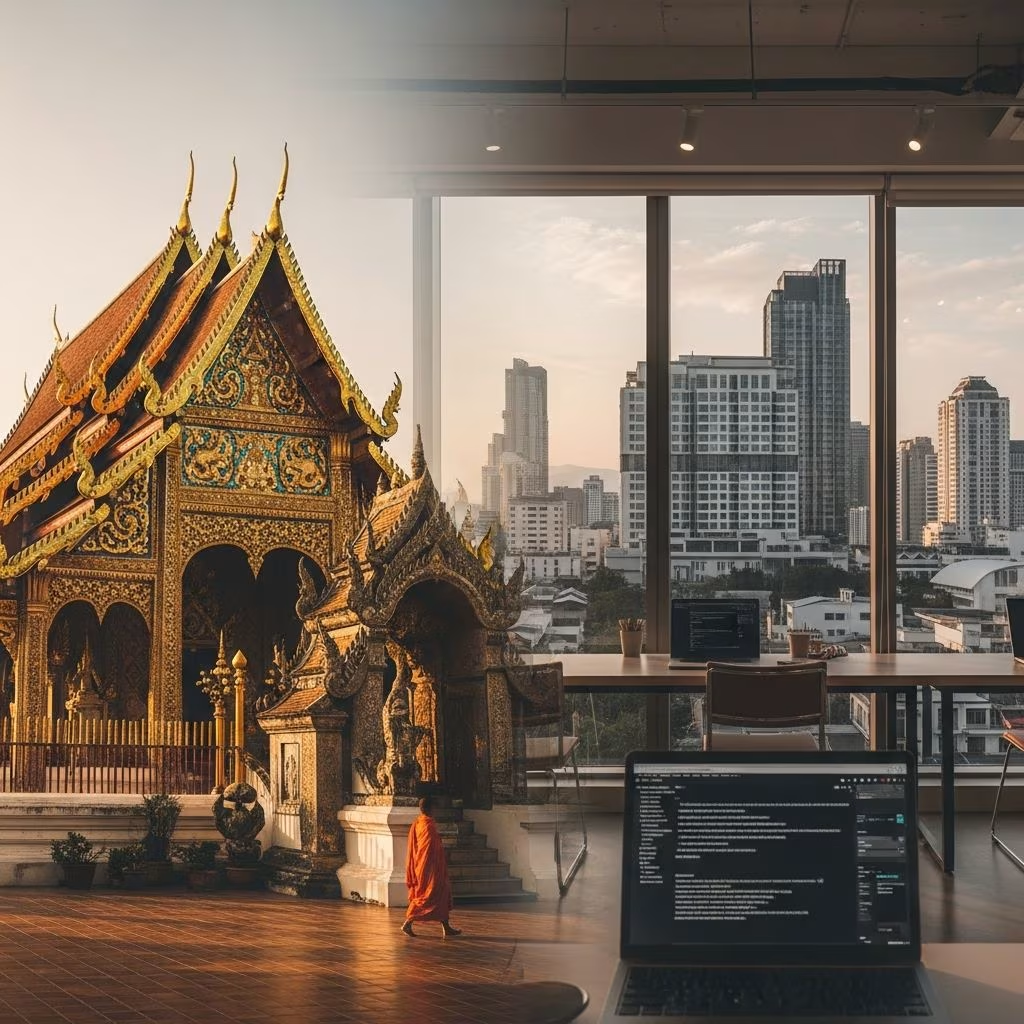
Explore Chiang Mai's evolution from Lanna Kingdom capital to a vibrant hub of traditional crafts and contemporary arts, featuring workshops, markets, and cultural initiatives.
 Travel Essentials
Chiang Mai, nestled in northern Thailand, stands as a testament to the seamless integration of historical craftsmanship and forward-thinking creativity. Designated by UNESCO as a Creative City in the Crafts and Folk Art category on October 31, 2017, this city leverages its Lanna Kingdom roots to foster a dynamic cultural economy. With a population of around 131,000, it serves as the ‘Rose of the North,’ drawing visitors to its temples, markets, and artisan villages where age-old techniques meet innovative designs.
Founded in 1296 as the capital of the Lanna Kingdom, Chiang Mai quickly emerged as a prosperous trade hub thanks to its strategic location along the Ping River and key caravan routes. Craftsmen from diverse backgrounds settled in surrounding communities, specializing in pottery, silverwork, wood carving, silk embroidery, and lacquerware—skills that built the kingdom’s reputation for exquisite goods. These traditions were not merely decorative; they underpinned economic vitality, with crafts forming a cornerstone of local employment today through 159 established enterprises.
The Lanna era’s legacy persists in the Old Town, enclosed by ancient moats and walls, where galleries and workshops preserve techniques passed down through generations. Public education programs like ‘Museum to School’ and ‘Our Area’ introduce children to these crafts early, ensuring cultural continuity while sparking young interest in innovation. This historical depth positions Chiang Mai uniquely within Thailand’s creative landscape, where crafts contribute significantly to the national GDP, targeted to rise from 13% to 20% through government initiatives.
Chiang Mai’s 2017 UNESCO designation marked a pivotal moment, validating its role in the global Creative Cities Network. Initially considered for a ‘City of Design’ status by local creatives, the focus shifted to Crafts and Folk Art, reflecting the city’s authentic strengths. This accolade has amplified efforts to promote traditional skills internationally, improve artisan livelihoods, and host forums like the Chiang Mai Crafts and Folk Art Forum for global knowledge exchange.
The initiative aligns with long-term visions spanning 15-20 years, syncing with Thailand’s national plans emphasizing creativity and innovation. Universities such as Chiang Mai University play central roles, collaborating with cultural bodies to nurture talent and advocate for the city’s creative identity. Events like the Lanna Expo exemplify cross-disciplinary fusion, merging crafts with gastronomy and design to attract diverse audiences.
Modern Chiang Mai pulses with hands-on craft experiences. Visitors can immerse themselves in silver smithing, where artisans hammer intricate motifs into jewelry, or pottery sessions shaping clay on wheels inspired by Lanna patterns. Silk weaving workshops reveal the labor-intensive process from mulberry silkworm to embroidered textiles, while wood carving classes teach chiseling teak into ornate figures.
These activities not only preserve heritage but also empower small producers by expanding market reach, enhancing incomes, and promoting sustainable practices.
The moated Old Town remains Chiang Mai’s creative heart, brimming with galleries displaying Lanna-style paintings alongside contemporary sculptures and photography. Spaces like Lumos House offer paint-by-number workshops, making art accessible to novices. Cute cafes, artisan boutiques, and over 300 temples create a youthful, bohemian vibe amid historical grandeur.
Here, traditional and modern intersect: street artists reinterpret ancient motifs in graffiti, while international creators collaborate with locals. The area’s walkability encourages serendipitous discoveries, from hidden ateliers to pop-up exhibits celebrating Lanna folklore through mixed media.
Chiang Mai’s universities fuel a burgeoning arts ecosystem, producing graduates who blend tradition with global trends. The city’s ‘slow life’ allure draws digital nomads, painters, and designers, forming creativity clusters supported by government policies. Museums exhibit local and international works, while initiatives like the Chiang Mai Creative City project champion collaboration.
Leaders such as Martin Venzky-Stalling drive innovation, positioning the city as Southeast Asia’s arts nexus. Factors like abundant galleries, academic resources, and cultural encouragement create a fertile ground for expression.
| Event/Market | Highlights | Best Time |
|---|---|---|
| Sunday Walking Street | Handicrafts, live music, street food; features artisan stalls with silver and silk. | Sundays, 4-11 PM |
| Saturday Walking Market | Wood carvings, pottery, contemporary designs; bohemian atmosphere. | Saturdays, 4-11 PM |
| Lanna Expo | Crafts, food, design fusion; cultural performances. | Annual, varies |
| Night Bazaar | Textiles, lacquerware; bargaining hub. | Daily evenings |
These vibrant gatherings showcase crafts in action, from live demonstrations to fusion products like modernized lacquer accessories. Festivals amplify this, with parades honoring Lanna spirits through dance and handwoven costumes.
Tailored workshops cater to all skill levels. Beginners might join a half-day silk dyeing class, while advanced participants craft full silver necklaces. Many occur in village settings, offering insights into artisan lives—think tea with weavers discussing sustainable silk farming.
These encounters promote ethical tourism: proceeds support communities, and programs emphasize cultural respect. Pair them with temple visits, like Wat Phra Singh, where carved panels inspire your own designs.
Looking ahead, Chiang Mai aims to elevate crafts globally via e-commerce and partnerships. Youth programs foster innovation, like app-designed patterns for embroidery. Challenges like urbanization are met with preservation policies, ensuring the city’s creative soul endures.
Sustainability initiatives train artisans in eco-friendly dyes and materials, aligning heritage with modern values. International forums will continue exchanging best practices, solidifying Chiang Mai’s role in the creative economy.
Its designation stems from exceptional crafts and folk art traditions, including silverwork and silk, supported by education and international promotion efforts.
Cool season (November-February) offers comfortable weather for workshops and markets; festivals peak in winter.
Yes, many like pottery and painting at places such as Lumos House accommodate all levels with English instruction.
Through market access, skill programs, and events like Lanna Expo, improving livelihoods and global reach.
Opt for Old Town markets or cooperatives to ensure fair trade and genuineness; avoid mass-produced souvenirs.
