


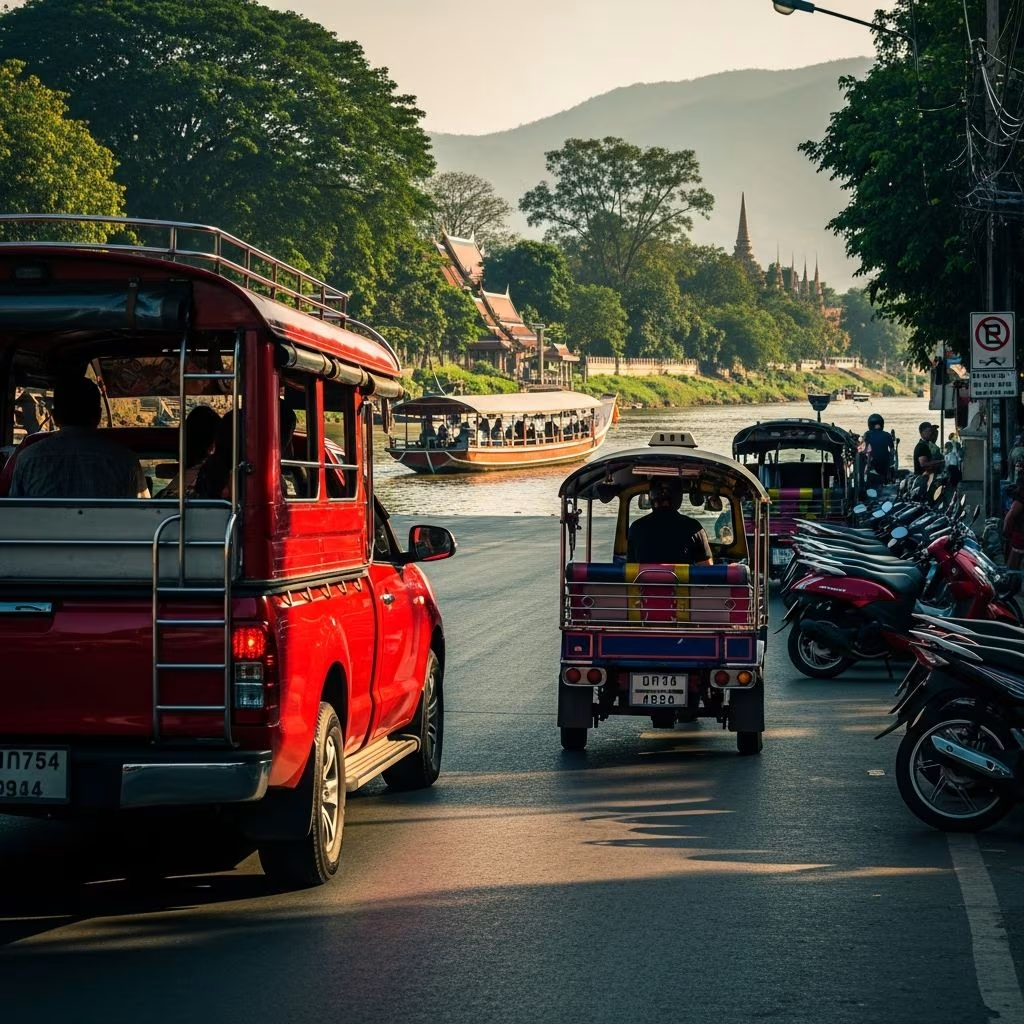
Chiang Mai, Thailand’s second-largest city, offers diverse and affordable transportation options that cater to every traveler’s needs and budget. Whether you’re exploring the historic Old City, venturing to mountain temples, or visiting shopping districts, understanding the available transit methods will enhance your visit. This guide explores all major transportation modes, from iconic shared vehicles to modern ride-hailing applications, ensuring you can move confidently throughout this vibrant northern city.
The Shared Pickup Truck Culture: Understanding Red Vehicles
The most visible and culturally authentic form of transportation in Chiang Mai is the red pickup truck system. Known locally as rót daang or songthaew, these converted vehicles form the backbone of daily commuter traffic throughout the city. The name “songthaew” derives from the Thai language, literally meaning “two rows,” referring to the bench seating arrangements on either side of the truck bed.
Operating as shared taxis rather than fixed-route buses, these vehicles pick up passengers heading in their general direction. Unlike conventional public transportation with predetermined stops, songthaews respond dynamically to passenger demand. Simply flag one down from the roadside, communicate your destination to the driver, and board if they’re traveling that way. The flat fare system within the city center typically costs around 30 Thai baht per person, making this the most economical choice for budget-conscious travelers.
For trips extending beyond the historic center, experienced travelers recommend hailing a red vehicle from one of the arterial roads leading outward from the city walls, as these typically connect to longer-distance routes. The cultural experience of riding alongside local Thais, hearing conversations, and observing daily life makes songthaews more than mere transportation—they provide authentic glimpses into urban Chiang Mai society.
Three-Wheeled Taxis: The Iconic Tuk-Tuk Experience
Tuk-tuks represent Chiang Mai’s most recognizable transportation symbol and serve specific purposes within the broader transit ecosystem. These three-wheeled motorized vehicles excel at navigating narrow sois (alleys), congested markets, and traffic-heavy areas where larger vehicles struggle. Their compact design and maneuverability make them ideal for reaching destinations that main roads don’t serve.
Concentrated primarily in the Old City and near major tourist attractions like the Night Bazaar and Tha Phae Gate, tuk-tuks provide convenient short-distance travel. However, pricing requires negotiation before boarding, as these vehicles operate on metered or agreed-upon rates rather than standardized fares. Typical journey costs range from 60-80 baht depending on distance and negotiation skills. Evening travel particularly suits tuk-tuks, as their enclosed cabins provide protection from weather while remaining open enough for breeze circulation.
A practical tip: establish your destination clearly and agree on a price before entering the vehicle. Having Thai currency in appropriate denominations facilitates smoother transactions. Tourist-heavy areas near hotels and restaurants typically see higher prices, so consider walking to main roads for better negotiating positions.
Modern Bus Infrastructure: The Contemporary Transit Solution
Chiang Mai’s urban transit landscape transformed in 2018 with the introduction of the RTC Chiang Mai Smart City Bus system, marking a significant shift toward modern public transportation. These air-conditioned blue buses operate across nine distinct routes connecting major zones including the Old City, Nimmanhaemin district, the airport, and principal shopping centers.
The system’s straightforward pricing structure charges a flat fare of 50 Thai baht (approximately USD $1.49) per ride regardless of distance traveled within the service area. Passengers may pay in cash or utilize the Rabbit stored-value card system, available for purchase at the RTC airport counter and rechargeable at convenience stores throughout the city. Real-time service monitoring through the CM Transit mobile application allows passengers to track bus locations and anticipate arrival times.
Color-coded route identification helps passengers navigate the system efficiently, with each route assigned a specific color corresponding to route maps and signage at bus stops. The blue buses represent a comfortable, reliable, and economical option, particularly for travelers accustomed to organized public transit systems. However, service frequencies vary between routes, so planning travel during peak hours ensures more frequent service.
Long-Distance Bus Terminals: Gateway to Extended Exploration
For journeys extending beyond Chiang Mai’s urban center, two primary bus terminals facilitate regional and intercity connections. The Chang Phueak Bus Terminal, located on Thanon Chotana, specializes in routes serving northern Chiang Mai Province destinations. The Arcade Bus Terminal, positioned near the junction of Thanon Kaew Nawarat and Route 11, handles other long-distance trips to southern Thailand and beyond.
These terminals also operate blue songthaews serving local towns surrounding Chiang Mai, providing intermediate-distance options between urban transit and full long-distance buses. Traveling between these terminals and the city center typically costs 40-50 baht via songthaew or similar amounts through organized minibus services.
Airport Transportation: Arriving in Chiang Mai
Chiang Mai International Airport sits merely 5 kilometers from the city center, ensuring quick and affordable access to urban areas. Multiple transportation options accommodate different preferences and budgets upon arrival.
Taxi Service: Official metered taxis wait outside terminal buildings, with typical fares to city center locations ranging from 150-200 baht. Requesting hotel staff to pre-arrange taxi services guarantees availability, and collecting backup driver contact numbers provides contingency options.
Airport Shuttle Buses: Budget-conscious travelers appreciate the shuttle bus service connecting the airport directly to the city center. Fares start as low as 20-40 baht per person, though travel times extend slightly compared to direct taxis.
Ride-Hailing Applications: The Grab application offers convenient airport pickups with fares typically ranging from 100-150 baht, combining safety, fixed pricing, and door-to-door service. Advance booking through the app ensures vehicle availability upon baggage claim completion.
Ride-Hailing Applications: Modern Convenience
Grab, the dominant ride-hailing platform throughout Southeast Asia, has become increasingly popular in Chiang Mai for travelers preferring app-based transportation. The service provides fixed transparent pricing, professional drivers, and GPS-tracked routes, eliminating traditional negotiation processes.
Typical Grab fares within the city range from 60-150 baht depending on distance and traffic conditions, with surge pricing applying during peak hours. The application interface supports English language selection, facilitating straightforward booking procedures for international visitors. Safety features including driver identification, real-time location sharing, and in-app communication reduce security concerns common with street-hailed vehicles.
While slightly more expensive than traditional songthaews or tuk-tuks, Grab offers advantages including clarity regarding costs, reduced language barriers, and convenient booking from accommodations. The service proves particularly valuable during inclement weather, late-night travel, or when carrying luggage that larger vehicles can accommodate better than open trucks.
Personal Mobility Options: Motorcycles and Bicycles
Independent explorers frequently rent motorcycles, gaining flexibility to visit temples, waterfalls, and rural villages at self-directed paces. Numerous rental shops throughout the Old City offer daily rates typically ranging from 200-300 baht for automatic scooters. This option suits experienced riders comfortable navigating Southeast Asian traffic patterns and mountain roads.
Bicycles present alternative sustainable exploration methods, particularly for navigating the Old City’s manageable distances and quieter sois. Several boutique hotels and tour operators provide complimentary or low-cost bicycle access to guests, making this option attractive for leisurely urban exploration while maintaining minimal environmental impact.
Walking: The Most Intimate Urban Experience
Chiang Mai’s Old City, enclosed within historic moat walls, remains highly walkable with most attractions positioned within 3-4 kilometers of the central zone. Walking allows spontaneous discoveries—tucked-away temples, family-run restaurants, and local markets—that rushed transit doesn’t reveal. The flat terrain facilitates comfortable pedestrian navigation, though tropical afternoon heat necessitates morning or early evening walk timing.
Inter-Zone Travel Reference Guide
| Route | Recommended Transport | Approximate Cost | Typical Duration |
|---|---|---|---|
| Old City to Airport | RTC Bus / Grab | 50B (bus) / 100-150B (Grab) | 15 minutes |
| Old City to Nimmanhaemin | Songthaew / Grab | 20-30B / 60-80B | 10 minutes |
| Old City to Night Bazaar | Tuk-tuk / Songthaew | 60-80B / 20-30B | 10 minutes |
| Nimmanhaemin to Airport | Grab / City Bus | 100B / 50B | 15 minutes |
| Airport to Arcade Terminal | Grab / Songthaew | 150-200B / 40-50B | 20-25 minutes |
Eco-Conscious Transportation Alternatives
Environmental awareness increasingly shapes Chiang Mai’s transportation landscape. LOMO electric tuk-tuks represent the city’s commitment to sustainable tourism, offering zero-emission alternatives to conventional vehicles with distinctive white-and-blue designs. These services provide customizable tours and driver services, appealing to travelers seeking environmental responsibility without sacrificing convenience.
The Chiang Mai Premium Pass includes LOMO 3-hour tour access, enabling eco-conscious travelers to explore city highlights through sustainable transportation while supporting local environmental initiatives.
Transportation Selection Strategy
Budget Prioritization: Songthaews provide the most economical city travel at 30 baht, followed by RTC buses at 50 baht. Ride-hailing apps cost 2-4 times more but offer convenience premiums.
Time Considerations: Grab delivers fastest point-to-point service, while songthaews involve flexible routing. RTC buses follow scheduled routes with consistent timing.
Comfort Factors: Air-conditioned buses and Grab vehicles suit travelers uncomfortable with open-air transport or carrying extensive luggage. Tuk-tuks balance protection with ventilation.
Authenticity Seeking: Songthaews offer maximum cultural immersion, enabling interactions with local residents and observation of everyday Chiang Mai life.
Safety Priorities: Grab’s verified drivers and GPS tracking provide security advantages, while hotel-arranged taxis offer established reliability.
Practical Transportation Tips
- Always confirm destinations and negotiate tuk-tuk prices before boarding—gesturing or writing destinations helps overcome language barriers
- Carry small Thai baht denominations for seamless transactions with songthaew and tuk-tuk operators
- Download the CM Transit app before arrival to monitor RTC bus schedules and routes
- Obtain a Rabbit card at the airport for convenient bus fare payment and potential discounts
- Travel during daylight hours when exploring unfamiliar areas, and consider ride-hailing services during late evening
- Keep hotel addresses written in Thai characters for driver clarity and navigation assistance
- Travel during off-peak morning hours to experience authentic local commuter culture aboard songthaews
Common Transportation Questions
Do transportation workers accept tipping?
Thai transportation culture doesn’t emphasize tips like Western countries. However, rounding fares upward or offering small additional amounts to excellent service providers is appreciated but never expected.
Is late-night transportation available?
Songthaews and tuk-tuks operate throughout evenings but reduce frequency after midnight. Grab ride-hailing remains available 24 hours, though surge pricing applies during late hours.
Can I use transportation passes or cards?
The Rabbit card system, primarily associated with Bangkok’s transit network, integrates with Chiang Mai’s RTC buses. Purchase at airport counters and recharge at 7-Eleven and Family Mart convenience stores.
Are there wheelchair-accessible transportation options?
RTC buses feature accessibility features including wheelchair lifts on selected routes. Grab offers accessibility information through the app interface. Traditional songthaews and tuk-tuks present mobility challenges for passengers with movement limitations.
What’s the best transportation for visiting nearby temples and attractions?
Songthaews serve local towns surrounding Chiang Mai from the Arcade Terminal. For individual temple visits outside main routes, motorcycle rentals or Grab services provide superior flexibility and independence.
References
- 13 Ways of Getting Around Chiang Mai (Northern Thailand) — Chiang Mai Traveller. https://www.chiangmaitraveller.com/getting-around-chiang-mai/
- Transportation options: A Guide to Getting around Chiang Mai — Tag Thai. https://www.tagthai.com/explore/p/transportation-to-getting-around-chiang-mai
- Getting Around Chiang Mai: Complete Transport Guide for Travelers — ThrillarK. https://www.thrillark.com/blog/getting-around-chiang-mai-complete-transport-guide-for-travelers/
- Best Way to Get Around Chiang Mai: Everything You Need To Know — GetYourGuide. https://www.getyourguide.com/explorer/chiang-mai-ttd271/how-to-get-around-in-chiang-mai/
- This is what you need to know about getting around Chiang Mai — Lonely Planet. https://www.lonelyplanet.com/articles/getting-around-chiang-mai
- Guide to Transportation in Chiang Mai: Best Ways to Go Around — Villa Finder. https://www.villa-finder.com/magazine/transportation-in-chiang-mai/

