


 Food & Culture
Food & Culture
Chile Food Guide: Coastal Seafood, Andes Flavors & Wine Valleys
Discover Chile's rich food scene: fresh coastal seafood, hearty mountain dishes, indigenous feasts, and renowned wines in stunning landscapes.
 Food & Culture
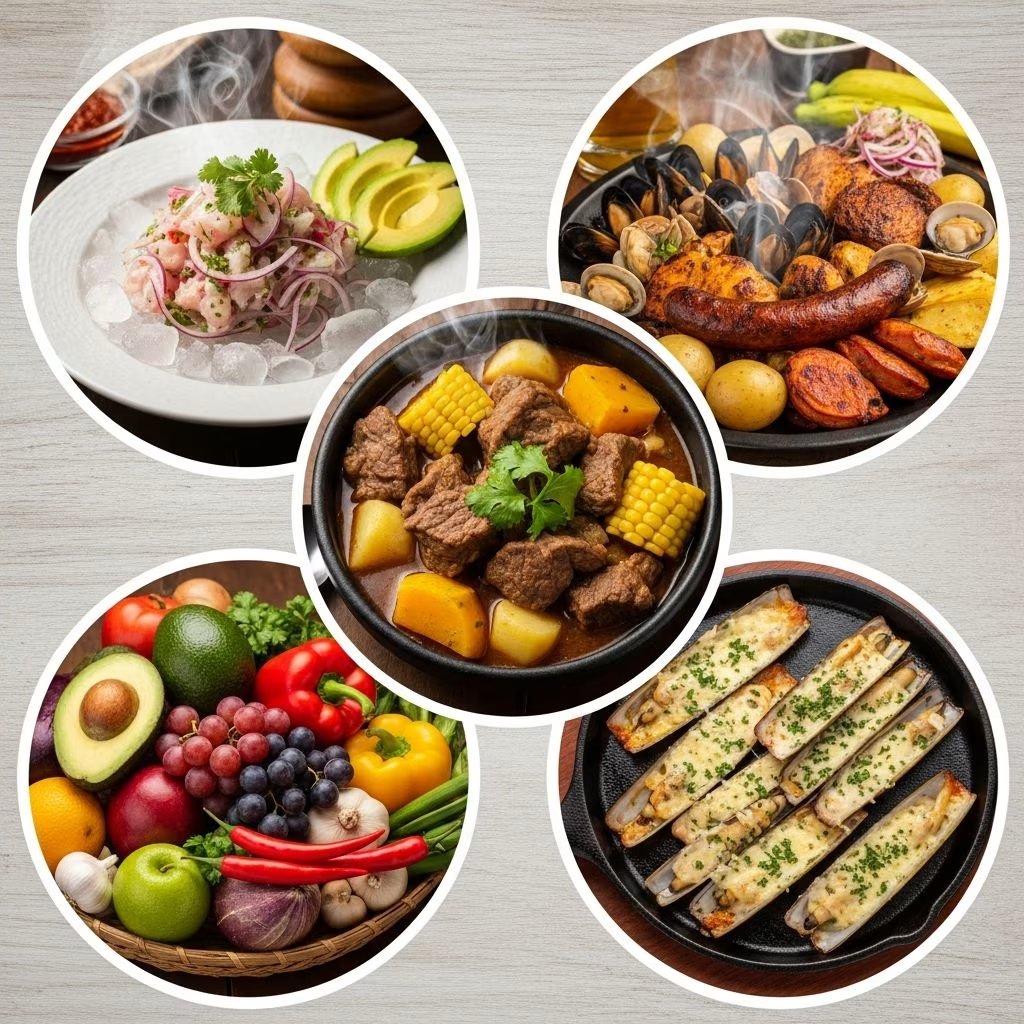
Chile’s extraordinary geography—from its endless Pacific coastline to towering Andes peaks and lush central valleys—has given rise to one of South America’s most vibrant culinary landscapes. This long, narrow nation boasts seafood straight from the cold Humboldt Current, hearty Andean staples, indigenous earth-oven feasts, and sun-kissed vineyards producing world-renowned wines. Travelers can weave through bustling markets, family-run kitchens, and scenic vineyards to experience flavors that reflect centuries of cultural fusion between native traditions and immigrant influences.
Coastal Treasures: Seafood Extravaganzas Along the Pacific
The Pacific Ocean defines Chile’s coastal cuisine, delivering an abundance of pristine seafood thanks to the nutrient-rich Humboldt Current. From north to south, markets brim with loco (abalone), erizos (sea urchins), machas (razor clams), jaibas (crabs), ostiones (scallops), and congrio (conger eel), alongside hake, corvina, and yellowfin tuna. These ingredients form the backbone of fresh, simple preparations that highlight their natural flavors.
In bohemian Valparaíso, a UNESCO World Heritage city famed for its hillside murals and cerro (hill) labyrinths, seafood shines brightest. Narrow alleys hide gem-like eateries where chalkboard menus announce the day’s catch. Savor ceviche at spots like specialized cebicherías, where lime-marinated fish mingles with cilantro and chilies, or dive into chupe de mariscos, a creamy seafood stew bubbling with clams and crab. For an authentic market immersion, head to vibrant mercados de mariscos, where vendors shuck oysters and grill razor clams over open flames. Nearby Quintay offers intimate encounters with fishermen sharing family recipes for pastel de jaiba, a comforting crab casserole.
- Top Coastal Dishes: Ceviche fresco, grilled machas, pastel de jaiba, chupe de mariscos.
- Must-Visit Spots: Valparaíso’s hillside restaurants, Arica to Valdivia seafood markets, Juan Fernández for lobster.
Southward, Chiloé Archipelago elevates seafood in communal feasts, blending it with meats and potatoes in underground ovens—a nod to indigenous Mapuche roots.
Highland Heartiness: Andean Flavors of the North
Northern Chile’s Elqui Valley, cradled by rolling hills and crystalline streams under star-filled skies, nurtures robust Andean fare. Here, over 320 sunny days fuel not just vineyards but innovative solar cooking. Peaceful towns like Vicuña serve pastel de choclo, a layered casserole of sweet corn, ground meat, olives, and eggs, evoking rural comfort. Pair it with fresh trout from mountain rivers or mote con huesillo, a refreshing dessert of rehydrated peaches, husked wheat, and cinnamon syrup.
Goat cheeses from local artisans add creamy tang to meals, their varieties ranging from fresh chèvre to aged wheels infused with herbs. In Villaseca, family eateries like solar-powered kitchens roast meats, bake breads, and caramelize leche asada (baked custard) using parabolic mirrors that harness sunlight efficiently. This eco-conscious approach underscores the valley’s sustainable ethos, where clear skies also make it a pisco distillation hub—try a tangy pisco sour to toast the bounty.
| Dish | Main Ingredients | Region Highlight |
|---|---|---|
| Pastel de Choclo | Sweet corn, beef/chicken, eggs, olives | Vicuña highlands |
| Mote con Huesillo | Dried peaches, wheat, cinnamon | Elqui Valley refreshment |
| Solar Leche Asada | Milk, sugar, eggs (sun-baked) | Villaseca innovation |
Valley Vintages: Wine and Farm-Fresh Delights
Central Chile’s valleys, especially Casablanca and Maipo, are viticultural powerhouses. Vines planted by 16th-century Jesuits thrive in diverse microclimates fringed by Andes snowcaps, yielding bold Carmenère reds, crisp Sauvignon Blancs, and elegant Pinots. Vineyards double as culinary destinations, offering farm-to-table lunches where guests harvest ingredients for salads or pair cheeses with varietals.
Santiago’s markets pulse with creole staples like cazuela—a soul-warming stew of beef, corn, potatoes, and pumpkin—and empanadas stuffed with pino (onions, beef, raisins, olives). Nearby Aconcagua Valley emphasizes fresh produce, while Colchagua hosts rodeos alongside wine tastings. These regions fuse European techniques with native quinoa, pine nuts, and wild mushrooms like digüeñes.
Island Traditions: Chiloé’s Ancient Earth Ovens
On misty Chiloé, indigenous ingenuity peaks in curanto, a monumental stew cooked in hot stones buried in earth pits. Layers build from bottom up: shellfish (clams, mussels), pork, chicken, potato dumplings (chapaleles), vegetables, and nalca leaves for aroma. After hours of steaming, it’s unearthed for communal sharing, embodying Mapuche hospitality.
Visit Quetalmahue’s fishing hamlet for an authentic curanto at family spots, paired with Chiloé’s curanto en chigueto (smaller, stovetop version). The archipelago’s markets overflow with cochayuyo seaweed, changles mushrooms, and smoked salmon, reflecting self-sufficient island life.
Mapuche Lakes and Southern Fusion
Around Puerto Varas, volcanoes and lakes frame German-Chilean fusion cuisine. Crudo Valdiviano—thinly sliced raw beef with pebre salsa—joins kuchen (cakes) and smoked meats. Curanto celebrations here highlight Mapuche legacies with quinoa and merkén spice.
Pairing Perfection: Pisco, Wines, and Cocktails
No Chilean meal is complete without libations. Elqui’s piscos fuel sours and chilcanos; central valleys pour Cabernet and Syrah. Terra cotta-infused Terramater wines from Itata add minerality.
Practical Tips for Culinary Explorers
- Best Seasons: Summer (Dec-Feb) for seafood; fall (Mar-May) for harvests.
- Budget Bites: Markets over restaurants; seek menús del día.
- Sustainable Choices: Opt for seasonal, local-sourced to support communities.
Frequently Asked Questions (FAQs)
What is the signature seafood dish in Valparaíso?
Ceviche and machas a la parmesana dominate, using the freshest Pacific catch.
How does solar cooking work in Elqui Valley?
Parabolic mirrors concentrate sunlight to reach oven temperatures, baking without fuel.
Is curanto suitable for vegetarians?
Traditional versions include meat and shellfish, but some spots offer plant-based adaptations.
Which valley produces Chile’s best reds?
Maipo and Colchagua excel in Carmenère and Cabernet Sauvignon.
Can I visit wineries without a tour?
Many offer walk-ins, but bookings ensure tastings and meals.
Chile’s cuisine invites deep dives into its landscapes and lore, from tide pools to treetops. Plan a road trip connecting these gems for an unforgettable feast for the senses.
References
- From seaside to mountain valley: the culinary riches of Chile — Lonely Planet. 2023. https://www.lonelyplanet.com/articles/seaside-mountain-valley-culinary-riches-chile
- GASTRONOMIC TOURISM IN CHILE: FLAVORS AND DELICACIES — Turismo Antilen. 2024. https://turismoantilen.com/en/gastronomic-tourism-in-chile-flavors-and-delicacies-not-to-be-missed/
- Culinary Delights | Savor Chile’s Gastronomic Treasures — Voyagers Travel. 2023. https://www.voyagers.travel/chile/culinary-experiences
- Chilean cuisine: Why is it one of the best in the world? — Chile Travel. 2024-01-15. https://chile.travel/en/blog/chilean-cuisine-why-is-it-one-of-the-best-in-the-world/
- Chile Culinary Travel: A Journey of Taste from the Coast to the Andes — Kuoda Travel. 2023. https://www.kuodatravel.com/blog/chile-culinary-travel/
On This Page
Coastal Treasures: Seafood Extravaganzas Along the Pacific Highland Heartiness: Andean Flavors of the North Valley Vintages: Wine and Farm-Fresh Delights Island Traditions: Chiloé's Ancient Earth Ovens Mapuche Lakes and Southern Fusion Pairing Perfection: Pisco, Wines, and Cocktails Practical Tips for Culinary Explorers Frequently Asked Questions (FAQs)← Previous
Best Time to Visit Hawaii’s Big Island for Value, Weather & Fewer Crowds
Next →
Deutsche Grammophon’s Forbidden City Classical Concert in Beijing
Related Reading
More in Food & Culture
Food & Culture Food & Culture
 Food & Culture
Best Places to Eat in Rome: Neighborhood Dining Guide
 Food & Culture
 Food & Culture