

 Travel Essentials
 Travel Essentials

Discover key tips for traveling Chile: from climate variations and safety to cuisine, language, and must-see spots like Atacama and Patagonia.
 Travel Essentials
Chile stretches over 4,300 kilometers along South America’s western edge, encompassing deserts, mountains, glaciers, and islands. This guide equips you with practical knowledge for a rewarding trip, drawing from diverse climates, rich traditions, and modern urban life.
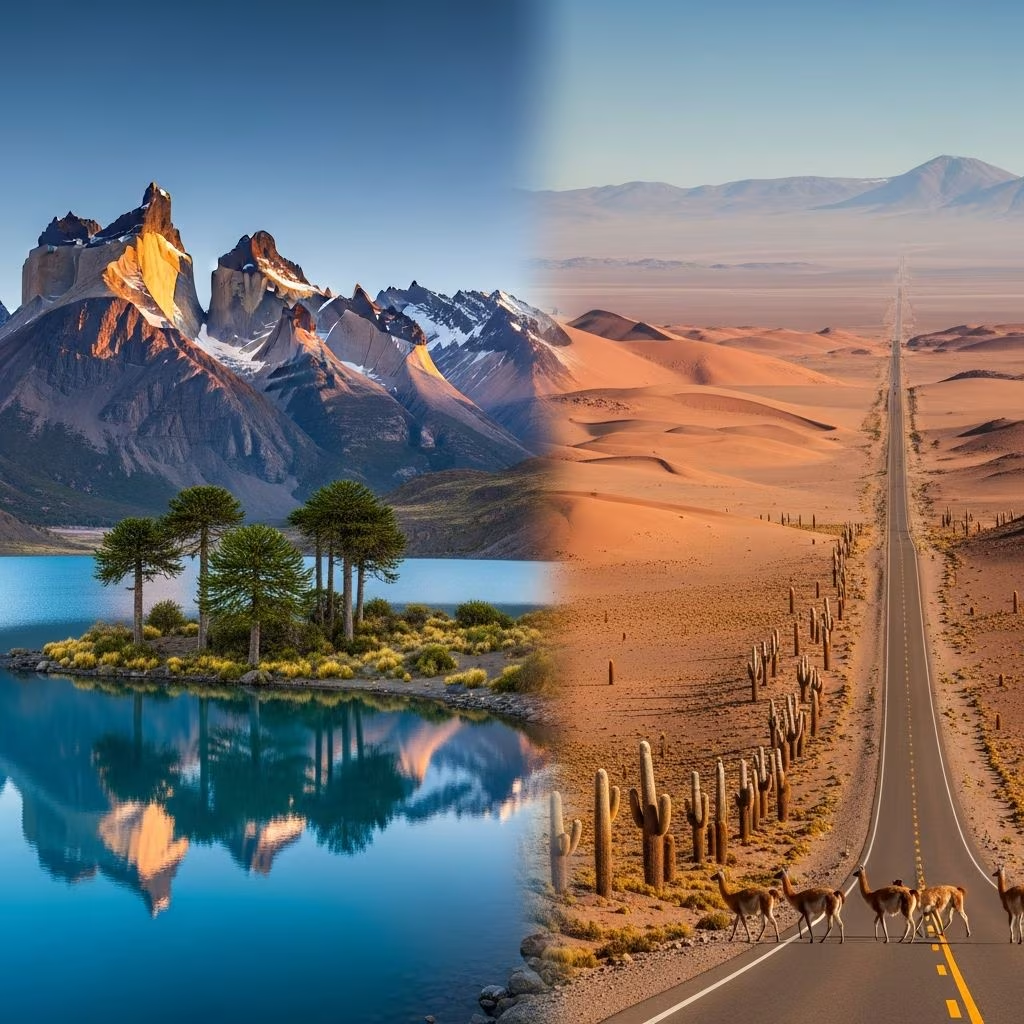
Chile’s geography creates multiple microclimates, demanding region-specific preparation. The north features the arid Atacama Desert with daytime highs of 25°C (77°F) and chilly nights around 3°C (38°F). Central areas mimic Mediterranean weather: summers (December-February) hit 25-30°C (77-86°F), while winters (June-August) average 15°C (59°F) with occasional rain.
Southern Patagonia brings cooler, wetter conditions year-round, ideal for hiking in spring (September-November) or fall (March-May). Always pack layers: breathable fabrics for sun, waterproof gear for rain, and sturdy boots for rugged terrain.
Start in Santiago, the bustling capital blending colonial history and contemporary vibe. Explore Plaza de Armas, museums, and nearby wine valleys for tastings of Carmenère reds.
Head to Valparaíso and Viña del Mar for coastal charm: colorful hills, street art, and beaches (chilly outside summer). Further north, San Pedro de Atacama offers adobe villages, salt flats, and stargazing in the world’s driest desert.
In the south, Los Lagos region features volcanic lakes around Puerto Varas and Puerto Montt, gateway to Chiloé Island’s mythical folklore and seafood feasts. Torres del Paine National Park in Patagonia boasts granite towers, guanacos, and epic treks like the W Circuit.
| Region | Highlights | Best Time |
|---|---|---|
| North (Atacama) | Desert tours, geysers | Year-round, avoid rain Mar-May |
| Central (Santiago/Valpo) | Wine, art, beaches | Dec-Feb for warmth |
| South (Patagonia) | Hiking, glaciers | Nov-Mar for accessibility |
Chileans are reserved yet hospitable. Greet with a handshake or single cheek kiss (women-women, men-women); use formal ‘usted’ initially. Basic Spanish unlocks warmer interactions—outside tourist hubs, English is scarce. Phrases like ‘¿Cuánto cuesta?’ (How much?) and ‘Por favor’ (Please) help immensely.
Social norms include punctuality for business but flexibility for casual meets. Tipping 10% in restaurants is standard; round up taxis. Dress modestly in rural areas.
Use Chilean pesos (CLP); ATMs are widespread, but carry cash for remote spots. Cards work in cities, but inform your bank of travel. Prove $46 USD daily funds at entry.
Long distances mean buses (reliable, affordable via companies like TurBus) or domestic flights (LATAM, Sky Airline). Rent cars cautiously—roads are good but winding. Wi-Fi abounds in hotels; get a local SIM for data.
Chilean food fuses indigenous, Spanish, and seafood influences. Try empanadas (savory pastries), pastel de choclo (corn pie with beef), and curanto (Chiloé seafood stew). Patagonia lamb and central valley wines pair perfectly. Desserts: alfajores (dulce de leche cookies). Avocado and fresh seafood shine everywhere.
Chile ranks safe regionally, but vigilance curbs petty crime in Santiago, Valparaíso hotspots like Cerro Santa Lucía or markets—avoid flashing valuables. Protests can disrupt; monitor news and steer clear.
Tap water is potable from Santiago south (delicious in Patagonia); buy bottled in Atacama. Altitude sickness hits in Atacama—hydrate, acclimatize. Earthquakes occur, but strict codes minimize risk; follow hotel drills. No major vaccines beyond routine; hepatitis A advised.
Most visitors get 90-day visa-free entry; US/Canada citizens show return ticket and funds. Border crossings to Argentina (e.g., Paso Los Libertadores) require planning—check weather, carry docs.
Tread lightly in fragile ecosystems: stick to trails in Torres del Paine, support local guides in Atacama. Choose eco-lodges, minimize plastic. Respect indigenous Mapuche/Aymara customs.
Summer (Dec-Feb) for central/south warmth; shoulder seasons for fewer crowds.
Moderate—higher than neighbors but value-packed with hostels from $20/night.
Yes for deeper experiences; apps like Duolingo help.
Buses or fly to Punta Arenas; ferries for remote areas.
Check current advisories; generally open.
