


 Food & Culture
Food & Culture
China Food Guide: Signature Dishes, Drinks & Regional Flavors
Discover must-try Chinese foods like dumplings, Peking duck, hot pot, and refreshing drinks including baijiu, tea, and soy milk in this comprehensive guide.
 Food & Culture
China’s food landscape spans vast regions, each offering unique ingredients, cooking methods, and flavors shaped by history, climate, and local traditions. From northern wheat-based staples to southern rice-dominated meals, the cuisine emphasizes balance, freshness, and communal dining. This guide dives into essential dishes and beverages, helping travelers navigate markets, restaurants, and home-style eateries for an unforgettable gastronomic journey.
Signature Savory Dishes Across Regions
Chinese cooking celebrates diversity, with staples varying by geography. Northern provinces favor hearty, dough-based foods, while southern areas highlight rice and seafood. Iconic preparations like steaming, stir-frying, and slow-cooking preserve nutrients and amplify tastes.
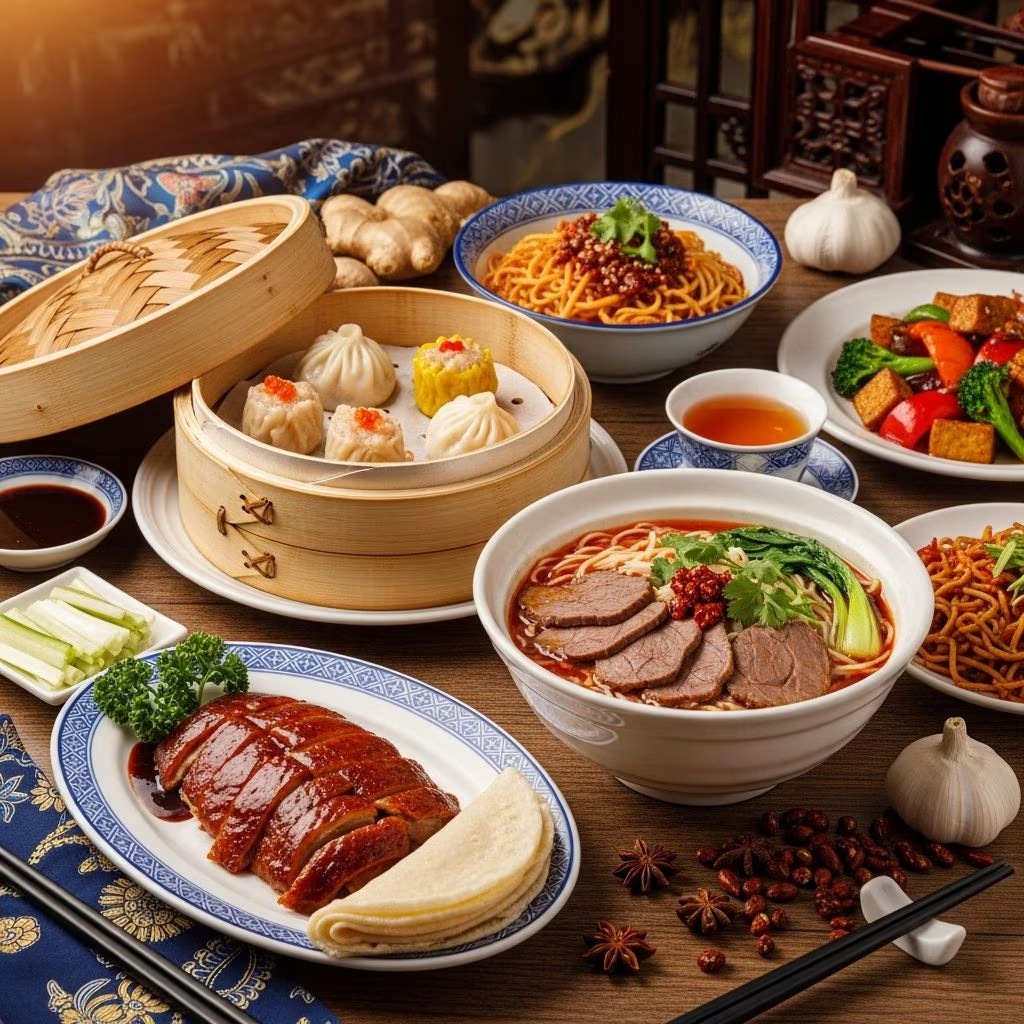
- Dumplings (Jiaozi): These versatile pockets of dough encase fillings of pork, beef, vegetables, or shrimp. Northern origins make them a Lunar New Year staple, often pan-fried for a crispy base or boiled in soup. Pair with chili oil and black vinegar for dipping.
- Soup Dumplings (Xiaolongbao): Originating near Shanghai, these delicate steamed buns hold a gelatinous broth that melts into soup when bitten. Use a deep spoon to capture every savory drop; they’re a testament to precise pleating techniques.
- Peking Duck: Beijing’s famed roast duck features lacquered skin, tender meat, and subtle sweetness from honey glazes. Served with thin pancakes, hoisin sauce, cucumber, and scallions, it embodies imperial feasting traditions.
Street vendors elevate these classics, turning simple ingredients into portable delights. In bustling night markets, watch as chefs deftly wrap and cook fresh batches, filling the air with aromatic steam.
Communal Feasts: Hot Pot and Beyond
Hot pot exemplifies China’s social dining ethos. Diners cook thinly sliced meats, seafood, vegetables, and noodles in simmering broths at the table—spicy Sichuan-style or mild herbal varieties. Customize with sesame paste, peanut sauce, or garlic dips for personalized flavors.
| Broth Type | Key Ingredients | Region | Flavor Profile |
|---|---|---|---|
| Spicy Mala | Sichuan peppercorns, chili, beef slices | Southwest | Num numbing heat |
| Tomato | Tomatoes, mushrooms, greens | Modern fusion | Tangy, light |
| Mushroom | Varietal fungi, tofu, greens | Vegetarian | Earthy, umami |
Beyond hot pot, explore baozi—steamed buns stuffed with barbecued pork or veggies—and cong you bing, flaky scallion pancakes fried to golden perfection. These snacks fuel long days of sightseeing.
Street Food Adventures
China’s streets pulse with affordable, flavorful bites. Wangfujing in Beijing offers skewered meats, insects, and buns amid neon lights. In Shanghai’s ancient towns, seek seasonal hairy crabs during autumn—their roe-scrambled eggs deliver briny luxury.
- Scallion pancakes: Crispy layers infused with green onions.
- Stuffed glutinous rice balls: Sweet or savory orbs in sticky rice.
- Fried dough sticks (youtiao): Crunchy pairs for dipping in soy milk.
Venture cautiously with exotic options like silk worms or starfish skewers, but prioritize hygiene in high-traffic spots.
Refreshing Breakfast and Snacks
Mornings kick off with congee (rice porridge) topped with pickles, century eggs, or preserved meats. Suannai, Beijing’s liquid yogurt in ceramic jars, provides a tangy, straw-sippable refreshment—warm or chilled. Soy milk (doujiang), slightly sweet and nutty, accompanies youtiao for a classic duo.
These light eats balance heavier lunches, reflecting philosophies of yin-yang harmony in meals.
The Spirit and Soul of Chinese Drinks
Beverages range from potent spirits to herbal infusions, integral to toasts and tea ceremonies.
Alcoholic Highlights
- Baijiu: Grain-distilled firewater, sorghum-based brands like Moutai dominate banquets with their bold, fiery profiles.
- Tsingtao and Snow Beer: Crisp lagers, with Snow as the world’s top-seller, cut through spice.
- Huangjiu and Mijiu: Rice wines, yellow or milky, warmed for sweet umami notes.
- Jiuniang: Fermented rice dessert drink, mildly boozy and sticky.
Non-Alcoholic Essentials
Tea reigns supreme—green, black, oolong—brewed sans milk or sugar. Eight Treasures Tea blends fruits, nuts, and hot water for a spiced elixir. Cooling summers bring pear juice, sour plum (suanmeitang), watermelon juice, and herbal jelly drinks.
Soy milk persists as a breakfast hero, nutritious and versatile.
Regional Flavor Profiles
Northern Wheat Wonderland: Dumplings, noodles, lamb skewers thrive in drier climates.
Southern Rice Riviera: Dim sum, seafood congee, lighter stir-fries prevail.
Sichuan Spice Kingdom: Chili-peppercorn heat in mapo tofu, dan dan noodles.
Cantonese Dim Sum Haven: Steamed bites like har gow shrimp dumplings.
Each area’s terroir dictates bold versus subtle seasonings.
Dining Etiquette and Tips
Share family-style; use chopsticks adeptly—never point or stick upright in rice. Slurping noodles signals enjoyment. Tea refills are host gestures; tap the table in thanks. Vegetarians find tofu, greens; allergies require picture apps for communication.
- Arrive hungry for banquets.
- Try night markets post-sunset.
- Seasonal eats like hairy crabs elevate trips.
FAQs
What are must-try foods for first-timers?
Peking duck, xiaolongbao, jiaozi, and hot pot offer a broad taste of classics.
Is Chinese food spicy everywhere?
No—Sichuan is fiery; Cantonese mild. Request spice levels.
What drinks pair with meals?
Tea for balance, beer for spice, baijiu for celebrations.
Vegetarian options in China?
Abundant: mushroom hot pots, veggie dumplings, tofu dishes.
Best street food cities?
Beijing (Wangfujing), Shanghai (Qibao), Chengdu (jinli).
Planning Your Food Journey
Book duck specialists or dim sum halls ahead. Apps like Dianping locate halal or vegan spots. Festivals amplify experiences—Mid-Autumn for mooncakes, Spring for jiaozi feasts. China’s table unites strangers in shared delight, turning meals into memories.
Embrace the chaos of wet markets for freshest picks, or upscale spots for refined presentations. With 56 ethnic groups influencing palates, every bite reveals stories millennia old.
References
- Food & Drink – China Vacations — Goway Travel. 2023. https://www.goway.com/destinations/asia/china/food-and-drink
- 10 Top Foods to Try When Traveling in China — Katherine Belarmino. 2014-12-10. https://www.katherinebelarmino.com/2014/12/10-top-foods-try-china.html
- The 25 Best Drinks in China: A 2026 Guide — The Street Food Guy. 2026. https://www.thestreetfoodguy.com/the-25-best-drinks-in-china/
- China Cuisine | Food and Drink Guide — Enchanting Travels. N/A. https://www.enchantingtravels.com/destinations/asia/china/china-cuisine/
- Food and drink in China — Rough Guides. N/A. https://www.roughguides.com/china/eating-drinking/
← Previous
Best Summer Adventures in Colorado’s Mountain Towns
Next →
Shenandoah National Park Guide: Skyline Drive, Hikes & Tips
Related Reading
More in Food & Culture
Food & Culture Food & Culture
 Food & Culture
Best Places to Eat in Rome: Neighborhood Dining Guide
 Food & Culture
 Food & Culture