

 Travel Essentials
 Travel Essentials

Discover China's premier national parks and conservation areas, from alpine trekking routes to ancient Buddhist heritage sites and tropical ecosystems.
 Travel Essentials
China’s vast geography encompasses some of the world’s most spectacular protected landscapes, ranging from snow-capped mountain ranges to lush tropical rainforests. These conservation areas represent crucial efforts to preserve the nation’s remarkable biodiversity while offering visitors unparalleled opportunities to experience diverse ecosystems and cultural heritage. The country’s national parks and protected regions showcase distinct ecological zones that reflect millions of years of geological evolution and biological adaptation.
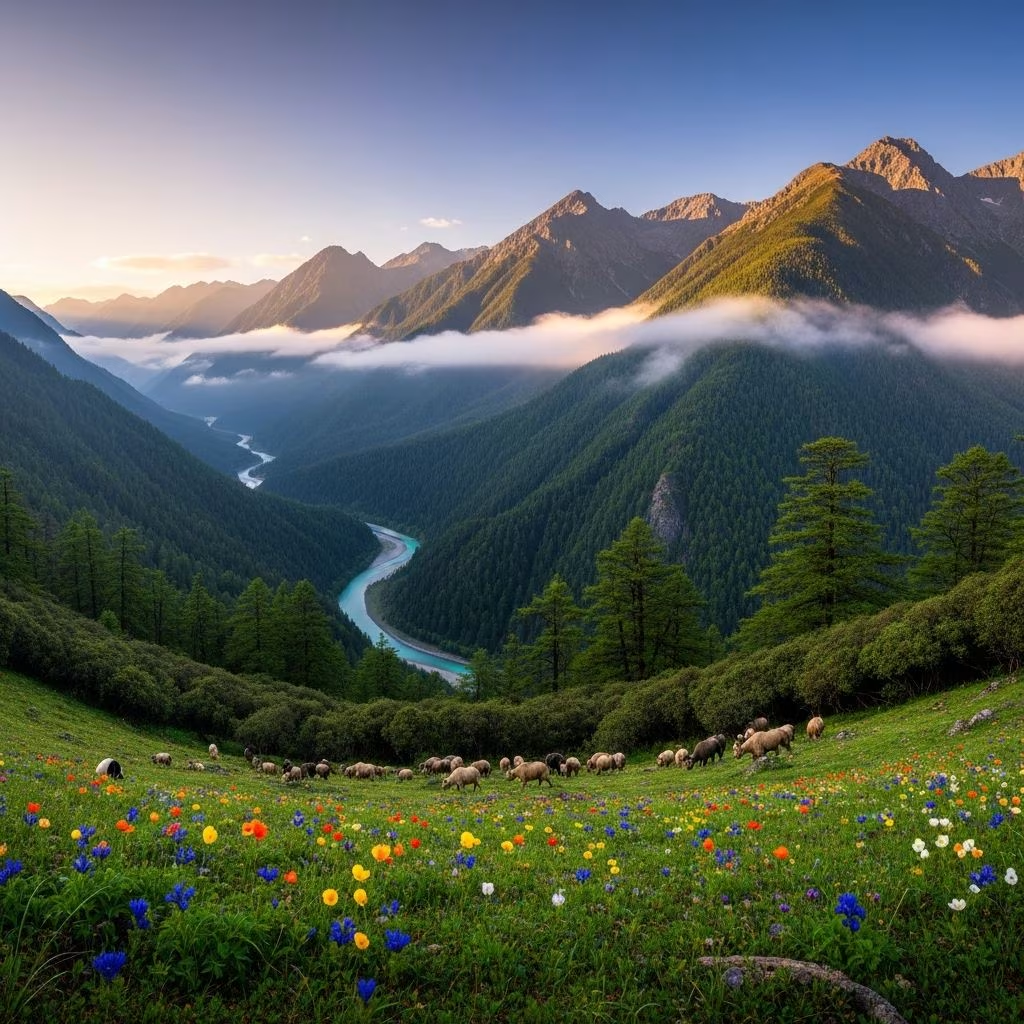
The eastern Tibetan plateau and western Qinghai region contain one of Asia’s most significant conservation initiatives. This vast protected area serves as the headwater source for three of Asia’s most important river systems, making it critically important for downstream water security across multiple nations. The landscape features dramatic elevation changes, extensive snow fields, and pristine alpine meadows that support populations of endangered large carnivores.
Trekking through this region offers adventurous visitors the chance to traverse remote mountain terrain at elevations exceeding 4,000 meters. The thin air and rugged topography present genuine challenges that reward experienced hikers with solitude and unobstructed views of the high plateau environment. Wildlife enthusiasts may encounter elusive predators that have adapted to this harsh climate, though sightings remain rare due to the animals’ naturally secretive behavior and the vast territory they inhabit.
The optimal visiting season spans late spring through early autumn, when snow melts and mountain passes become accessible. However, even during summer months, visitors must prepare for sudden weather changes, including afternoon thunderstorms and temperature fluctuations that can occur within hours.
A massive conservation initiative spanning three provinces protects the interconnected habitat corridors essential for one of the world’s most recognizable endangered species. This integrated protection system encompasses over 22,000 square kilometers across mountainous regions of central China, linking fragmented populations and creating ecological pathways that allow wildlife movement between previously isolated areas.
The bamboo forests that dominate this landscape have been shaped by centuries of human presence, yet the protected area maintains sufficient wild character to support viable populations of the iconic black and white bears. Beyond the charismatic pandas, these forests harbor numerous other specialized species that depend on the specific forest structure and composition maintained throughout the protected region.
Visitors to this area can experience guided tours through accessible sections of the protected forest, observing the natural habitat while learning about conservation efforts and ecological restoration projects. Research facilities and visitor centers provide educational programming that explains the complex relationship between panda biology, bamboo ecology, and landscape management practices.
A distinctive protected area in eastern China features extraordinary sandstone formations that rise dramatically from the surrounding landscape, creating one of the world’s most photographed natural sceneries. These towering pillars result from millions of years of geological processes involving quartz-rich rock layers subjected to differential erosion by wind and water.
The formations have inspired centuries of artistic and literary traditions, with countless Chinese painters, poets, and scholars documenting their impressions of the landscape. Modern visitors can explore multiple viewpoints accessible by cable car and hiking trail, each offering unique perspectives on the rock formations and the valleys below.
The protected area extends beyond the famous peak formations to encompass forested slopes, deep canyons, and tributary streams that create a complex ecosystem supporting numerous species. The varied elevations produce distinct vegetation zones, from deciduous forests in the lower elevations to coniferous forests and alpine scrub at higher altitudes.
A UNESCO World Heritage Site in southwestern China features an extraordinary collection of pristine alpine lakes distributed across three interconnected valleys. The region earned designation as a World Heritage Site in recognition of its unique combination of intact forest ecosystems, spectacular water features, and geological significance. The protected area encompasses over 108 distinct lakes, each displaying different colors and water chemistry characteristics.
The remarkable coloration of the lakes results from variations in water chemistry, mineral content, and suspended particulates that refract light differently at various depths. Some lakes appear emerald green due to suspended limestone particles, while others display azure blue colors indicating deeper, clearer water. The seasonal variation in vegetation and water levels creates dynamic landscapes that change appearance throughout the year.
Visitors navigate the area via boardwalks and designated pathways that minimize environmental impact while providing intimate access to the natural landscape. The three principal valleys offer distinct experiences, from the dramatic waterfall complexes in one valley to the extensive shallow lakes in another, allowing visitors to customize their experience based on interests and time constraints.
Visiting Recommendations: The ideal travel period spans July through August for optimal weather conditions and full accessibility of all park features. However, these months coincide with peak visitor season, resulting in crowded conditions at popular viewpoints. September and October offer milder weather, fewer crowds, and beautiful autumn coloration as temperatures cool and forest species prepare for winter.
A protected area in northwestern China preserves one of the world’s most significant collections of Buddhist artistic expression alongside dramatic desert geology. The region contains hundreds of man-made caves carved into sandstone cliffs over more than a thousand years, beginning in the 4th century. These caves house statues, murals, and sculptures representing different dynasties and artistic traditions, creating an invaluable record of Buddhist art historical development.
The archaeological significance of this site extends beyond the artistic content to include the preservation of historical documents, religious texts, and cultural artifacts that illuminate the spiritual and intellectual life of medieval Buddhist communities. The caves served as monasteries, meditation chambers, and pilgrimage destinations, with architectural features reflecting the functional purposes of different structures.
The surrounding landscape features extraordinary desert geology, including wind-sculpted formations that create otherworldly shapes and colors. The combination of human cultural heritage and dramatic natural scenery makes this protected area unique among the nation’s conservation sites, attracting both cultural heritage enthusiasts and nature photographers.
Access to the cave system operates through organized tours on a rotating basis, with different caves opened to visitors to manage preservation concerns. This rotation system ensures that no single cave receives excessive visitor traffic while allowing preservation specialists to monitor and maintain the irreplaceable artworks and structures.
The southernmost protected area encompasses the nation’s largest contiguous tropical rainforest, representing an ecosystem found only on a few islands in southeastern Asia. This substantial wilderness area preserves plant and animal species found nowhere else on Earth, making it invaluable for biodiversity conservation and scientific research.
The tropical rainforest environment supports extraordinary species diversity in multiple ecological layers, from the forest canopy to the understory vegetation to the forest floor. The complex ecosystem relationships, including intricate pollination networks, predator-prey dynamics, and nutrient cycling processes, remain partially understood despite decades of scientific study.
The protected area maintains relatively consistent pleasant temperatures year-round, making it accessible for visitation during all seasons. However, the tropical climate produces substantial rainfall, with the heaviest precipitation typically occurring during late spring and early summer months. The combination of warm temperatures and moisture creates ideal conditions for species diversity but can challenge visitor comfort during certain periods.
Recommended visit duration spans three to five days to adequately experience the rainforest environment and complete educational programming offered through visitor facilities. Guided hikes through designated trails provide safe, informative access to the rainforest environment while minimizing ecological disturbance from uncontrolled visitation.
Seasonal Considerations: Different protected areas reach peak beauty and accessibility during distinct seasons reflecting their unique climates and geographical characteristics. Alpine regions remain accessible only during summer months when snow melts and weather stabilizes, while tropical environments offer relatively consistent conditions throughout the year with seasonal rainfall patterns determining optimal visiting periods.
Accessibility and Physical Demands: Protected areas vary significantly in the physical challenges they present. High-altitude sites require substantial cardiovascular fitness and acclimatization time, while lower-elevation areas may be accessible to visitors with varying fitness levels. Most major protected areas offer multiple trail options ranging from leisurely walks to strenuous all-day hikes.
Visitor Facilities and Services: Conservation areas established more recently typically feature modern amenities including comfortable accommodations, dining facilities, and visitor education centers. Older protected areas may offer more rustic experiences with fewer facilities but greater wilderness character. Most areas provide guided tour services, equipment rental options, and transportation assistance to reach trailheads and viewpoints.
China’s protected areas represent substantial commitments to ecosystem preservation amid rapid economic development and population growth. These conservation initiatives protect critical watersheds, maintain populations of endangered species, and preserve landscape diversity that provides both ecological and cultural value.
The integration of protected areas within broader landscape management strategies recognizes that ecosystem health depends on maintaining connectivity between protected regions and surrounding environments. Modern conservation approaches increasingly emphasize working landscapes where human communities coexist with natural systems, requiring innovative management approaches that balance preservation objectives with local economic needs and cultural traditions.
