


 Food & Culture
Food & Culture
Christmas Foods Around the World: Global Holiday Traditions
Explore unique Christmas foods across continents, from Scandinavian pork ribs and French oysters to Mexican tamales and South African puddings.
 Food & Culture
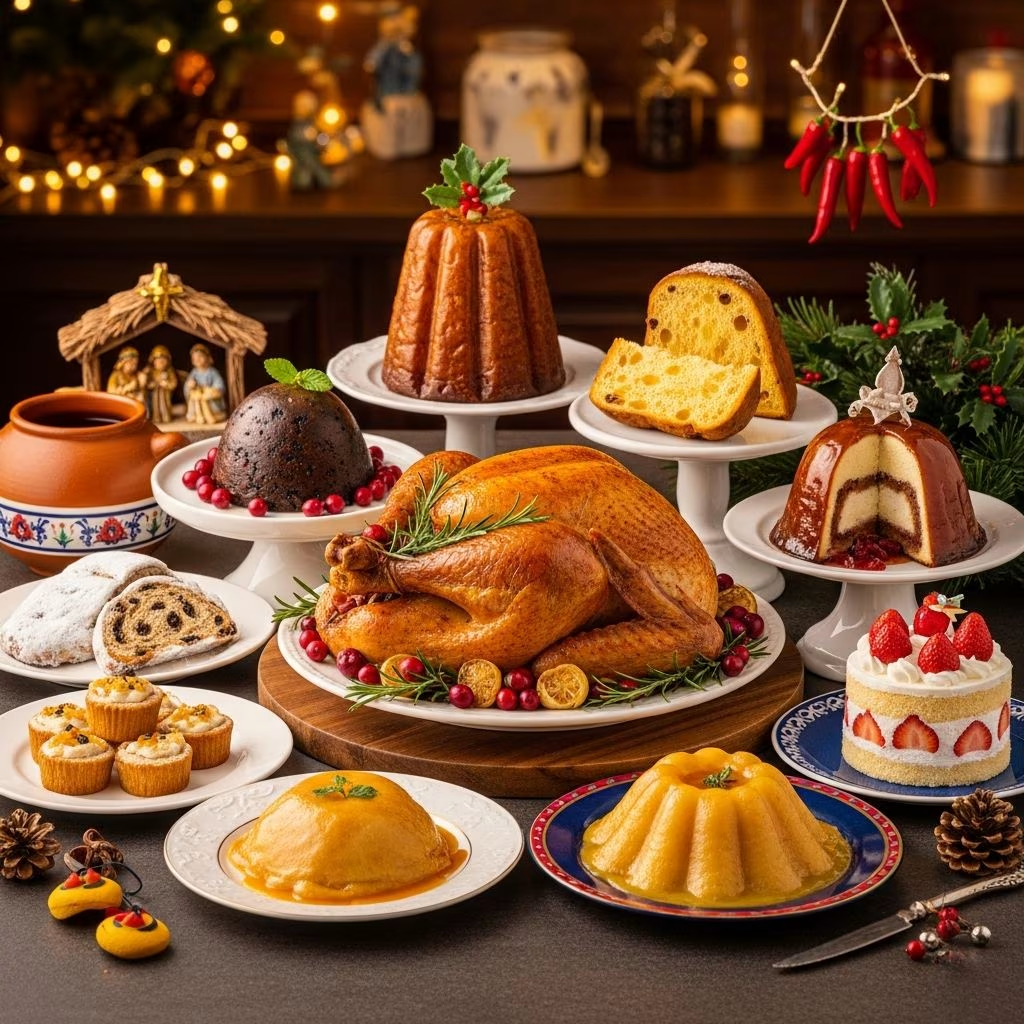
Christmas celebrations vary dramatically across the globe, with food serving as the heart of these festivities. From hearty roasts in cold climates to vibrant stews in warmer regions, each culture infuses its holiday tables with dishes that reflect history, religion, and local ingredients. This exploration uncovers the savory mains, sweet treats, and communal rituals that make Christmas meals unforgettable worldwide.
European Holiday Heirlooms
Europe boasts some of the most enduring Christmas food legacies, often tied to medieval feasts and religious observances. In Nordic lands, families gather for opulent spreads emphasizing preserved meats and seafood suited to long winters.
- Sweden: Buffets overflow with seafood spreads, cured meats, gingerbread cookies, and saffron-infused buns that fill homes with aromatic warmth.
- Denmark: Roast pork or duck anchors the meal, paired with boiled potatoes, red cabbage, and gravy. Dessert brings risalamande, a rice pudding crowned with cherry sauce hiding a lucky almond for an extra gift.
- Norway and Scandinavia: Pork ribs (ribbe), cured lamb (pinnekjott), and lye-cured cod (lutefisk) honor Catholic fasting traditions, where fish replaced meat during Advent.
Germany elevates baking with stollen, a spiced fruit bread from the 14th century symbolizing the Christ child in swaddling clothes, dusted generously with powdered sugar. France transforms Christmas Eve (Réveillon) into a multi-course extravaganza: oysters and smoked salmon start, followed by roast capon—a tender castrated rooster—and creamy potato gratin. Provence adds whimsy with 13 desserts representing Jesus and the apostles, including olive oil bread and seasonal fruits.
In the UK, stuffed turkey with roast potatoes, Brussels sprouts, cranberry sauce, and gammon sets the standard. Mince pies and steamed Christmas pudding, packed with dried fruits and aged for weeks, provide sweet closure. Eastern Europe offers contrasts: Poland’s barszcz beet soup precedes stuffed cabbage rolls and pierogi dumplings, while Ukraine’s kutya—a wheat berry porridge with honey, nuts, and poppy seeds—ushers in the eve.
Latin American Festive Flavors
Summer Christmases in Latin America mean lively, family-driven preparations of corn-based staples and slow-cooked proteins. Mexico’s Noche Buena features pozole, a hominy stew spiked with chiles and pork, alongside tamales—steamed corn dough packets filled with meats or cheeses—and empanadas. Bacalao, a salted cod with olives and veggies, nods to Spanish roots.
Central America unites around tamales, turkey (pavo), and hot ponche fruit punch. Colombia piles on buñuelos cheese fritters, natilla custard, and lechona—pig stuffed with rice and peas. These meals emphasize communal assembly, strengthening bonds through shared labor.
| Country | Signature Dish | Key Ingredients | Cultural Note |
|---|---|---|---|
| Mexico | Pozole | Hominy, pork, chiles | Served in red, green, or white varieties |
| Colombia | Lechona | Rice, peas, pork | Baked whole pig for gatherings |
| General Central America | Tamales | Corn masa, fillings | Wrapped in husks or leaves |
Asian Adaptations and Influences
Asia’s Christmas foods blend local staples with Western imports, especially in Christian communities. Japan favors KFC fried chicken as a modern staple, joined by creamy chicken stew, potato salad, and wagashi shortbread with tea. South Korea, treating Christmas as a holiday, serves sweet potato noodles, kimchi, tteokguk rice cake soup, and strawberry-topped Christmas cake.
India’s Goa, with Portuguese heritage, savors sorpotel pork stew or curry alongside sannas steamed rice cakes. These dishes highlight fusion: bold spices meet holiday symbolism in tropical settings.
African Summer Feasts
Africa’s Christmas aligns with summer, shifting meals outdoors. South Africa’s spread mixes British influences like mince pie with local leg of lamb, seafood, and malva pudding—a spongy apricot jam cake drenched in cream sauce, ideal with ice cream. Egypt opts for roasted lamb or chicken with spiced rice pudding, plus fattah layering meat, rice, and crispy bread under garlicky tomato sauce.
North American and Indigenous Twists
Canada’s French influence shines in tourtière meat pie and tourtières sucrées sugar pies, while Indigenous Nunavut communities enjoy raw caribou, seal, and muktuk whale blubber. The U.S. echoes Europe with turkey but adds regional flair like Italian-American Feast of the Seven Fishes—seafood courses for vigil.
Sweet Global Endings
Desserts transcend borders, symbolizing abundance. France’s buche de noel Yule log cake mimics birch logs; Germany’s stollen endures; Denmark’s almond-hunt pudding delights. Mexico and Colombia share buñuelos; Japan offers crème caramel parfaits. These sweets cap feasts, blending nostalgia and innovation.
Why Food Defines Christmas Worldwide
Holiday eating fosters community, preserves heritage, and adapts to climates—from lutefisk’s preservation to tamales’ portability. Globalization introduces hybrids like Japan’s KFC, yet cores remain: family, symbolism, seasonality. Preparing these dishes connects generations, turning meals into rituals.
FAQs
What is the most common Christmas meat in Europe?
Roast pork, goose, or turkey dominates, varying by country like Denmark’s duck or Germany’s goose.
Why do Mexicans make tamales at Christmas?
It’s a communal tradition for Noche Buena, with families assembling them together as a labor of love.
What hides in Danish Christmas rice pudding?
A whole almond; the finder wins a prize or gift, adding fun to the dessert.
How does Christmas food differ in the Southern Hemisphere?
Summer timing favors lighter lunches with BBQs, seafood, and fruity desserts like South Africa’s malva pudding.
Is fried chicken a traditional Christmas food?
In Japan, yes—KFC became a holiday icon through marketing since the 1970s.
References
- What Do People Eat for Christmas Around the World? — Food Fanatic. 2023. https://www.foodfanatic.com/cooking/faqs/what-do-people-eat-for-christmas-globally/
- Christmas Foods From Around The World – Part 1 – Savory Dishes — A Jeanne in the Kitchen. 2025-12-18. https://ajeanneinthekitchen.com/2025/12/18/christmas-foods-from-around-the-world-part-1-savory-dishes/
- Christmas Food Around the World | Food Traditions — Kids World Travel Guide. N/A. https://www.kids-world-travel-guide.com/christmas-food.html
- List of Christmas dishes — Wikipedia. 2026. https://en.wikipedia.org/wiki/List_of_Christmas_dishes
← Previous
Tibetan Buddhist Monasteries: Top Gompas to Visit
Next →
Rwanda Travel Guide: Gorilla Trekking, Safaris & Kigali
Related Reading
More in Food & Culture
Food & Culture Food & Culture
 Food & Culture
Best Places to Eat in Rome: Neighborhood Dining Guide
 Food & Culture
 Food & Culture