


 Food & Culture
Food & Culture
Christmas in Barcelona: Markets, Lights and Catalan Traditions
Explore Barcelona's Christmas wonders: iconic markets like Santa Llúcia, unique Catalan customs such as the Caga Tió, dazzling lights on Passeig de Gràcia, and cozy food experiences amid mild Mediterranean weather.
 Food & Culture
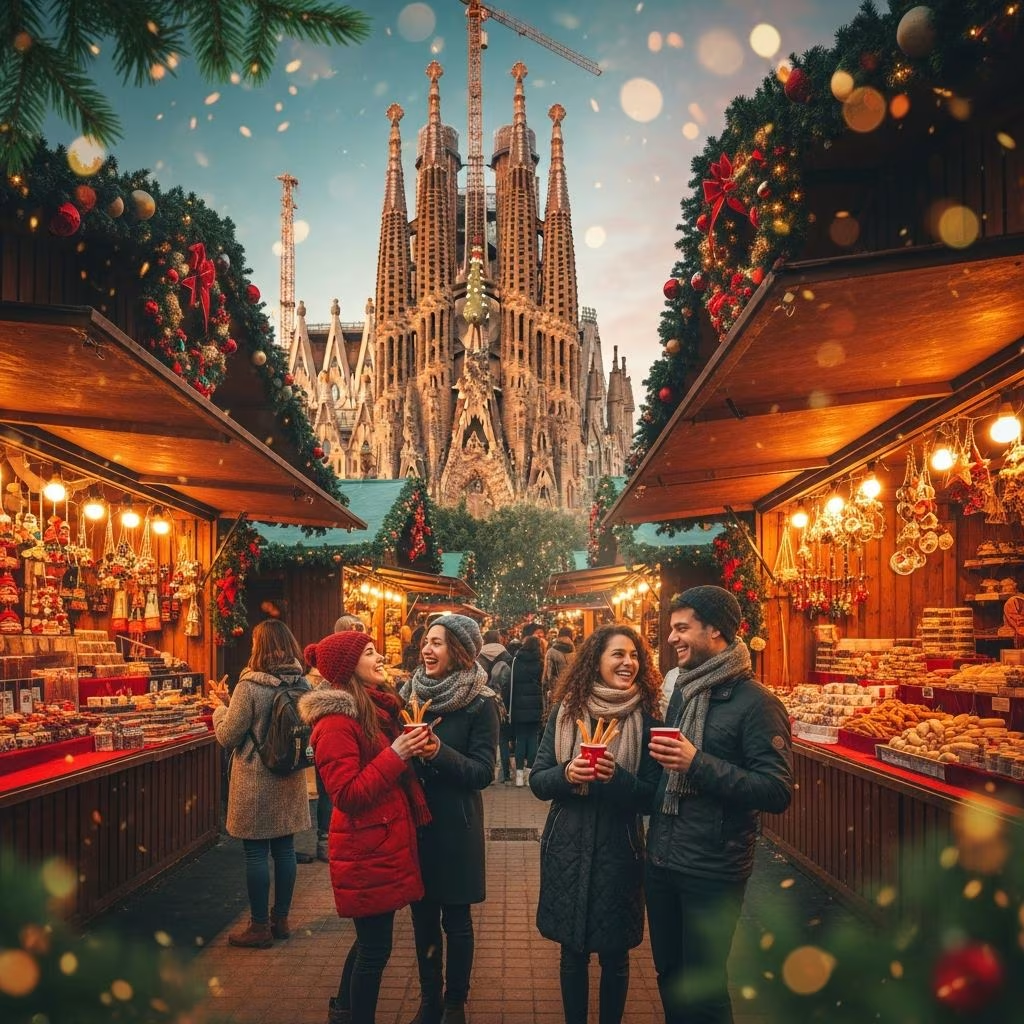
Barcelona transforms during the holiday season into a vibrant tapestry of lights, markets, and time-honored customs that blend Catalan heritage with Mediterranean warmth. Unlike snowy northern European celebrations, this coastal city offers mild temperatures, bustling street fairs, and family-oriented festivities that invite visitors to wander, shop, and savor the season at a relaxed pace.
Weather and Atmosphere in Festive Barcelona
December in Barcelona brings comfortable conditions perfect for outdoor exploration. Daytime highs average around 15°C (59°F), with evenings cooling to about 9°C (48°F), often under clear blue skies and minimal rain. This mild climate encourages leisurely strolls through illuminated streets and extended visits to open-air markets, creating an inviting backdrop for holiday cheer without the chill of traditional winter wonderlands.
The city’s neighborhoods pulse with a gentle festivity: shop windows glow with decorations, live music drifts from plazas, and locals gather in cafés. This authentic vibe contrasts with more commercialized celebrations elsewhere, emphasizing community and tradition over extravagance.
Iconic Christmas Markets to Explore
Barcelona’s markets are the heart of its holiday spirit, offering handmade crafts, nativity figures, and seasonal treats. These fairs draw crowds from late November through early January, providing endless opportunities for unique souvenirs.
- Fira de Santa Llúcia: Dating back over 200 years, this historic market unfolds in front of Barcelona Cathedral in the Gothic Quarter. Stalls brim with artisan nativity scenes, wooden ornaments, fir branches, and jewelry, infused with the scents of pine and crafts.
- Fira de Nadal at Sagrada Família: A family-focused event near Gaudí’s masterpiece, featuring quieter stalls with religious figurines, ceramics, and local artisan goods amid the basilica’s towering presence.
- Port Vell Christmas Fair: Located at Moll de la Fusta by the Columbus Monument, this seaside spectacle boasts Barcelona’s largest holiday tree with LED lights, a Ferris wheel, and a floating nativity. It runs longest, until January 6, from 11am to 11pm daily.
- Poble Espanyol Christmas Fair: In the open-air Spanish Village museum on Montjuïc, this ticketed affair includes concerts, circus acts, magic shows, bars, and restaurants recreating regional architectures.
These markets not only showcase local craftsmanship but also foster a sense of communal joy, with visitors haggling over unique finds and children marveling at displays.
Unique Catalan Holiday Traditions
Catalan Christmas stands out with whimsical customs that add humor and whimsy to the season. Central to these is the nativity scene, or pesebre, often hiding quirky figures that reflect local irreverence.
The Mischievous Caganer
No Barcelona nativity is complete without the caganer, a clay figurine of a person (often in traditional attire) squatting to defecate. This “pooper” symbolizes fertilization for a prosperous new year and brings smiles to all ages. Spot celebrity versions or modern twists at markets like Santa Llúcia.
Caga Tió: The Pooping Christmas Log
The Tió de Nadal, or “poo log,” is a painted wooden log with a smiling face and red nose. Families “feed” it scraps and cover it with a blanket from early December. On Christmas Eve or Day, children beat it with sticks while singing traditional songs like “Caga tió!” to coax out small gifts and candies. This playful ritual embodies Catalan creativity and is available for purchase at holiday stalls.
Three Kings and Beyond Santa
While Santa visits on December 25, the real gift-giving magic arrives with the Three Kings (Reyes Magos) on January 6. Children leave shoes out for treats, and a grand parade features floats, giants, and fireworks. In neighborhoods like Sants, the Cavalcada del Pare Noel adds Santas, dancers, and fire devils.
Dazzling Light Displays and Illuminations
Barcelona’s streets become rivers of light, with installations that evolve annually to captivate passersby. Passeig de Gràcia shines brightest, its elegant promenade draped in twinkling displays culminating in a nightly projection on Gaudí’s Casa Batlló façade. The Gothic Quarter and El Born weave lights through medieval alleys, while Sant Pau’s modernist complex offers breathtaking illuminations. Port Vell’s seaside fair contrasts twinkles with sea breezes.
These displays encourage evening walks, where the warm glow pairs perfectly with the city’s architecture, turning simple strolls into magical experiences.
Must-Try Festive Foods and Drinks
Holiday gastronomy in Barcelona emphasizes hearty, sweet comforts. Indulge in thick hot chocolate paired with churros or melindros (sponge fingers) at historic spots like Petritxol Street’s chocolate shops. This ritual warms chilly evenings amid street lights and crowds.
Seasonal treats include turrón (almond nougat), panellets (marzipan sweets), and fresh fir trees for home decorations. Markets offer artisanal versions, while neighborhoods host gastronomic fairs highlighting local produce.
| Dish | Description | Where to Find |
|---|---|---|
| Hot Chocolate & Churros | Creamy, thick cocoa with fried dough | Petritxol Street cafés |
| Caga Tió Candies | Small sweets mimicking log gifts | All Christmas markets |
| Turrón | Hard or soft almond honey bars | Market stalls, bakeries |
| Panellets | Marzipan balls with pine nuts | Artisan patisseries |
Family-Friendly Events and Activities
Barcelona caters to all ages with inclusive festivities. Ice skating rinks pop up near markets, flamenco shows gain holiday themes, and churches host carol choirs. The Sagrada Família market suits young ones, while Poble Espanyol’s entertainment keeps everyone engaged. On Christmas Day, brave locals swim in Port Vell harbor, a spectacle for onlookers.
Cultural highlights include museums with fewer crowds, temporary exhibits, and neighborhood concerts, allowing deeper dives into Gaudí sites or Gothic lore.
Practical Tips for Holiday Visitors
- Timing: Markets open late November to early January; book accommodations early as locals flock home.
- Transport: Metro and walking suffice; lights best after dark.
- Crowds: Weekdays quieter than weekends; arrive early for markets.
- Budget: Markets affordable; fairs like Poble Espanyol charge entry.
Frequently Asked Questions (FAQs)
When do Christmas markets open in Barcelona?
Most start late November and run through December 23, with Port Vell extending to January 6.
What is the Caga Tió tradition?
A log “fed” by kids, then beaten to “poop” gifts on Christmas.
Is Barcelona cold at Christmas?
Mild, with 15°C days and 9°C nights, ideal for outdoors.
Who brings gifts in Catalan Christmas?
Santa on 25th, but Three Kings on January 6 is bigger.
Best lights in Barcelona?
Passeig de Gràcia and Casa Batlló projection.
Planning Your Barcelona Christmas Visit
Combine markets, lights, and traditions for a personalized itinerary. Stay in Eixample for centrality or Poblenou for beach vibes. Barcelona’s holidays blend history, humor, and heart, offering a fresh take on the season under sunny skies.
References
- Christmas in Barcelona: lights, tradition and local plans — Feelathome. Accessed 2026. https://www.feelathome.com/en/blog/christmas-in-barcelona-light-tradition-life-in-the-streets
- Christmas in Barcelona: 5 things visitors should know — Lonely Planet. Accessed 2026. https://www.lonelyplanet.com/articles/barcelona-at-christmas
- Christmas in Barcelona 2026 ~ Christmas Markets, Events & Traditions — Barcelona Life. Accessed 2026. https://www.barcelona-life.com/barcelona/christmas
- Christmas in Barcelona: What to Do to Enjoy the Festivities — Nobu Hotels. Accessed 2026. https://www.nobuhotels.com/barcelona/christmas-in-barcelona/
On This Page
Weather and Atmosphere in Festive Barcelona Iconic Christmas Markets to Explore Unique Catalan Holiday Traditions Dazzling Light Displays and Illuminations Must-Try Festive Foods and Drinks Family-Friendly Events and Activities Practical Tips for Holiday Visitors Frequently Asked Questions (FAQs) Planning Your Barcelona Christmas Visit← Previous
Cape Verde Travel Guide: Best Islands, Beaches & Adventures
Next →
Best Budget Travel Apps and Websites for Cheap Trips
Related Reading
More in Food & Culture
Food & Culture Food & Culture
 Food & Culture
Best Places to Eat in Rome: Neighborhood Dining Guide
 Food & Culture
 Food & Culture