

 Travel Essentials
 Travel Essentials

A comprehensive guide to Clerkenwell, featuring its design studios, culinary scene, historic landmarks, and what makes this London district unique.
 Travel Essentials
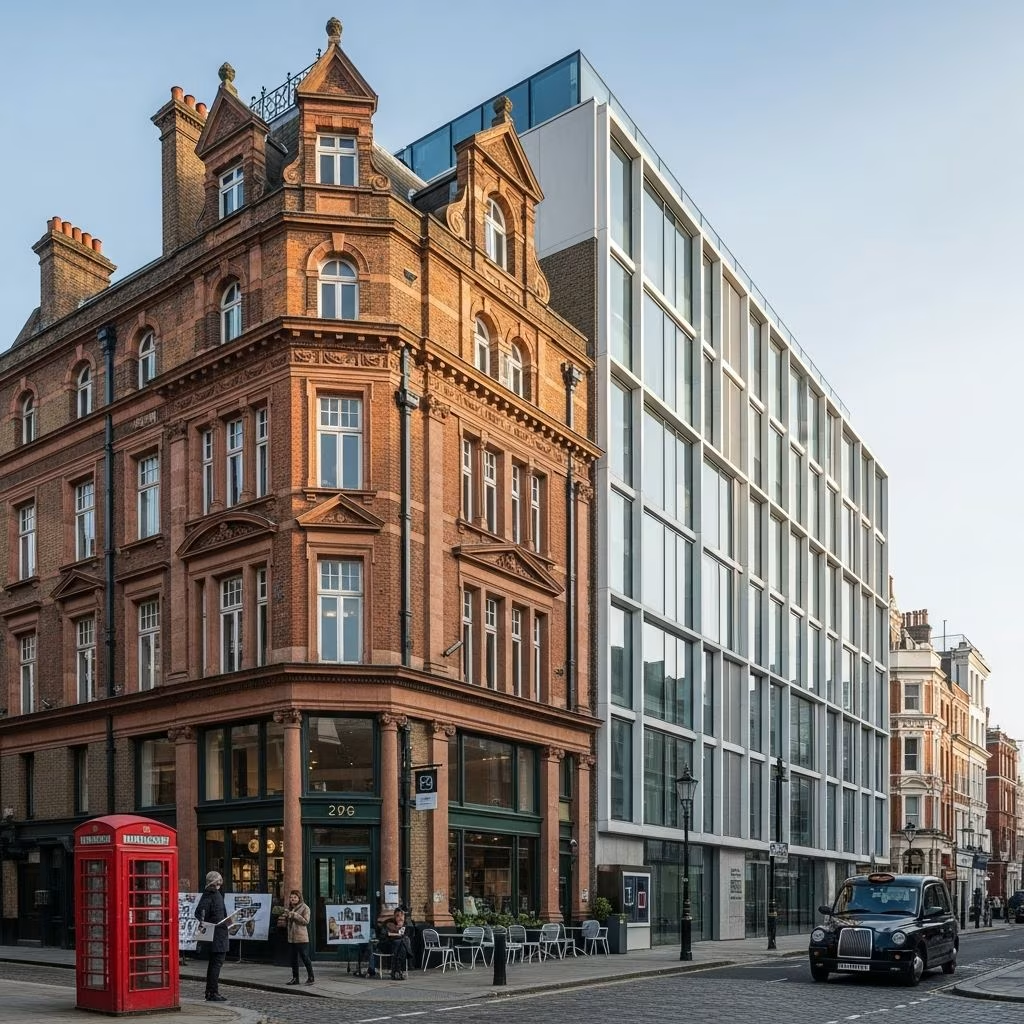
Nestled in the heart of London, Clerkenwell represents a distinctive neighborhood where centuries of history converge with modern creative endeavors. This district, often overlooked by visitors focused on more famous London attractions, offers a compelling mix of Georgian architecture, Victorian industrial heritage, and thriving design communities that make it increasingly popular among travelers seeking authentic experiences beyond mainstream tourist circuits.
The character of Clerkenwell emerges from its layered past and present-day evolution. Once home to medieval monastic communities and later transformed into a center for manufacturing and craftsmanship, the neighborhood has successfully reinvented itself as a hub for designers, architects, and entrepreneurs while maintaining its historic charm. This duality creates an environment where centuries-old stone walls coexist with sleek contemporary studios and cutting-edge restaurants.
Clerkenwell’s name derives from the “Clerks’ Well,” a medieval water source used by the local Parish Clerks of London who performed mystery plays in the area during medieval times. This historical reference points to the neighborhood’s deep connections with London’s ecclesiastical and cultural traditions stretching back over eight centuries.
The architectural landscape reflects multiple historical periods with remarkable clarity. Walking through Clerkenwell’s streets, visitors encounter Georgian townhouses displaying classical proportions and elegant facades alongside Victorian industrial buildings that reveal the neighborhood’s manufacturing heritage. These structures once housed watchmakers, printers, jewelers, and other skilled craftspeople who established Clerkenwell as a center for quality production.
Key historical sites punctuate the district, providing tangible connections to its past:
Clerkenwell’s transformation into a design powerhouse occurred gradually over recent decades as rents in traditional creative hubs increased and artists, architects, and designers sought more spacious, affordable locations. The neighborhood’s abundant Victorian warehouse spaces proved ideal for conversion into studios and showrooms, attracting creative professionals across multiple disciplines.
Today, Clerkenwell functions as a recognized center for contemporary design and architecture. Numerous studios and showrooms occupy converted industrial buildings, showcasing furniture design, graphic design, fashion, industrial design, and architectural practices. This concentration of creative professionals creates a distinctive atmosphere different from purely commercial districts, with a genuine focus on craftsmanship and innovation.
Visitors interested in design find several ways to engage with the creative community:
Clerkenwell has earned recognition as an exceptional food destination, with the neighborhood’s dining scene evolving significantly over the past two decades. The area now hosts restaurants ranging from casual eateries to sophisticated fine dining establishments, alongside street food vendors and specialty markets.
Exmouth Market: The neighborhood’s most iconic culinary destination, this pedestrianized street transforms into a vibrant food haven during daytime hours. The market features diverse food stalls, independent cafes, and restaurants offering cuisines from around the world, making it ideal for lunch or casual dining experiences. The colorful storefronts and constant activity create an energetic atmosphere that captures Clerkenwell’s contemporary character while maintaining a distinctly local feel.
Leather Lane Market: Another notable marketplace, particularly popular for lunch, offering a mix of food vendors and independent retail shops.
Beyond markets, Clerkenwell’s restaurant landscape reflects high standards of culinary craftsmanship. The neighborhood attracts chef-owned establishments and innovative restaurants that have established strong reputations within London’s competitive food scene. Historic pubs like The Eagle showcase modern pub dining, while contemporary restaurants explore diverse culinary traditions and techniques.
The physical fabric of Clerkenwell tells a compelling architectural story through its diverse building styles and periods. This variety makes the neighborhood particularly appealing for anyone interested in urban architecture and the evolution of London’s built environment.
Clerkenwell’s architectural character includes:
| Period/Style | Characteristics | Notable Examples |
|---|---|---|
| Medieval | Stone construction, ecclesiastical architecture | St. Bartholomew the Great |
| Georgian | Elegant townhouses, classical proportions, brick construction | Residential streets throughout the district |
| Victorian Industrial | Converted warehouses, exposed brick, large windows | Design studios and contemporary conversions |
| Contemporary | Modern glass and steel structures, adaptive reuse projects | New apartment buildings and commercial spaces |
The blend of architectural styles creates numerous photographic opportunities, from historic church facades to industrial-chic converted spaces, contemporary interventions, and hidden courtyards that reveal layers of Clerkenwell’s development.
Clerkenwell benefits from excellent connectivity to other London areas, with multiple transportation options making it accessible for day visitors and convenient for longer stays.
Underground Connections: The nearest tube stations include Farringdon (served by the Elizabeth Line, Circle, Hammersmith & City, and Metropolitan lines), Barbican, and Chancery Lane. Farringdon Station, recently upgraded with the Elizabeth Line, provides particularly convenient connections to London’s wider network.
Bus Routes: Numerous bus routes pass through Clerkenwell, offering additional transportation flexibility and alternative ways to reach various attractions.
Walkability: The neighborhood is highly walkable with most attractions located within short walking distances of each other. This pedestrian-friendly layout encourages exploration and discovery of smaller side streets and hidden squares that characterize London’s traditional neighborhood structure.
Clerkenwell serves as an excellent day trip destination, offering sufficient attractions and experiences to occupy a full day of exploration. Alternatively, visitors can spend several hours sampling specific highlights depending on their interests.
For Design Enthusiasts: Dedicate time to exploring design studios and showrooms, browsing independent boutiques, and visiting galleries. Mid-morning to early afternoon provides the best opportunities to catch designers and studio staff in their workspaces.
For History and Architecture Buffs: Plan visits to St. Bartholomew the Great, The Charterhouse, Postman’s Park, and the Marx Memorial Library. Consider walking tours that provide historical context and architectural interpretation.
For Food-Focused Travelers: Concentrate on Exmouth Market and Leather Lane for lunch and casual dining, then explore restaurant options for dinner. Food-focused visits work best between 12 and 2 PM for markets and 7 PM onward for established restaurants.
For General Exploration: Allow 4-6 hours for a comprehensive introduction to the neighborhood, focusing on atmospheric walking, market exploration, and casual discoveries of hidden courtyards and independent shops.
Clerkenwell’s character shifts somewhat depending on the season and day of the week. While the neighborhood maintains its appeal year-round, visitors should be aware of certain patterns that affect the experience.
Weekdays during business hours present the neighborhood at its most animated, with design studios active, markets busy, and restaurants preparing for lunch service. Weekend atmospheres tend to be quieter, particularly on Sunday and Monday, with some elements of the professional design community less active. Evening activities vary, with Sadler’s Wells Theatre offering performances and some restaurants and pubs providing nighttime venues, but the overall evening scene is less developed than in entertainment-focused neighborhoods.
Spring and autumn offer ideal weather for exploration and outdoor market dining. Summer attracts more tourists but can mean crowded markets and warmer conditions. Winter brings fewer visitors but provides cozy pub experiences and holiday-season special events.
While major sites like St. Bartholomew the Great and Exmouth Market provide focal points, Clerkenwell’s distinctive character emerges from smaller discoveries and local experiences. Wandering side streets reveals historic pubs with character, independent coffee shops, specialty food retailers, and unexpected architectural details. These unplanned discoveries often create the most memorable aspects of a Clerkenwell visit.
The combination of heritage and contemporary culture makes Clerkenwell particularly appealing for visitors seeking authentic London experiences beyond standard tourist routes. The neighborhood’s status as a working creative district means it feels genuinely lived-in rather than preserved or overly curated for tourism, offering glimpses into how contemporary Londoners inhabit and utilize historic urban spaces.
A comprehensive visit requires 4-6 hours, though you can experience highlights in 2-3 hours depending on your interests.
Yes, with some considerations. Exmouth Market works well for families, historic churches appeal to some children, but design studios may have limited child appeal. Parks like Postman’s Park provide pleasant outdoor spaces.
Tuesday to Friday, 11 AM to 3 PM, offers the best atmosphere with active vendors and manageable crowds.
Yes. Markets offer affordable food options, many churches and public spaces are free, and walking the neighborhood requires no entrance fees.
Clerkenwell offers a more local, less touristy feel than areas like Oxford Street or Leicester Square, with stronger emphasis on design, heritage, and culinary quality than entertainment or shopping.
