

 Travel Essentials
 Travel Essentials

Comprehensive guide to climbing Mount Kilimanjaro: routes, training, gear, health risks, and tips for reaching Uhuru Peak successfully.
 Travel Essentials
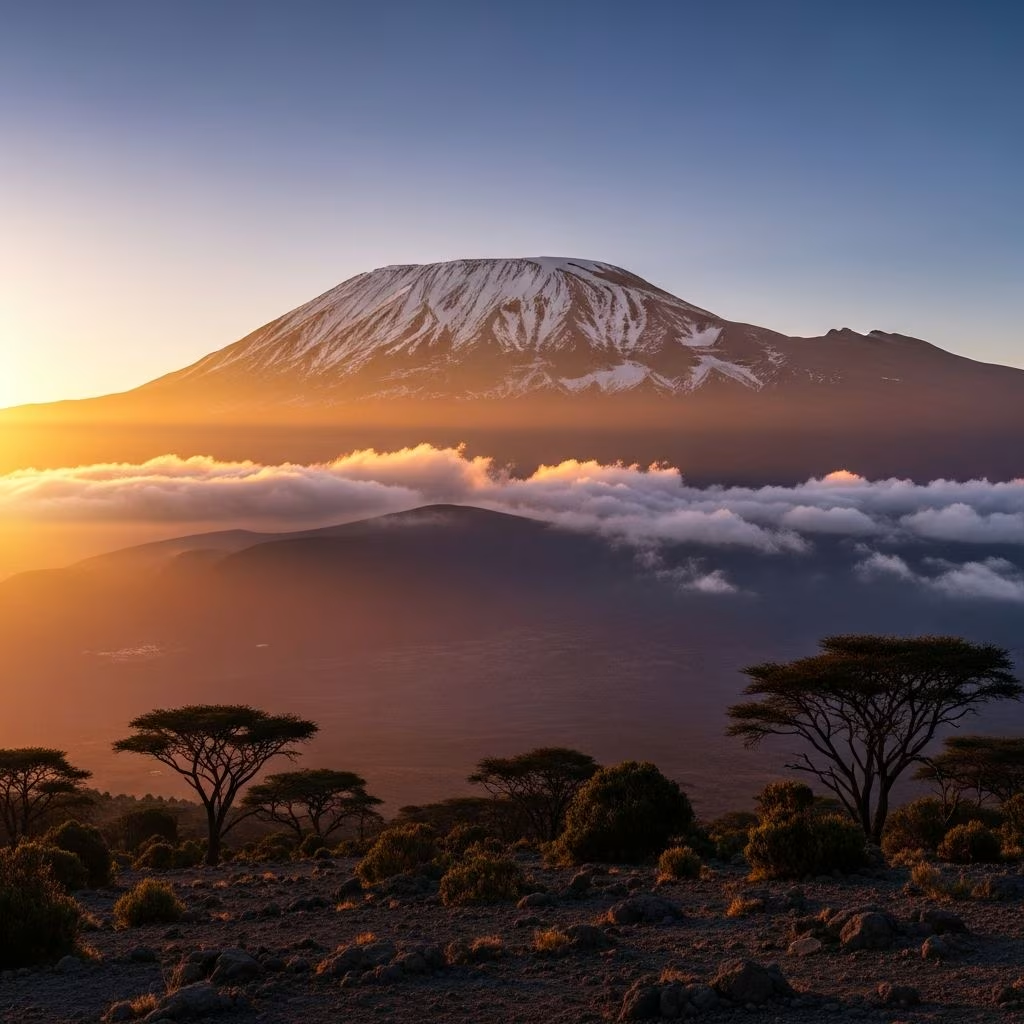
Mount Kilimanjaro, standing at 19,341 feet (5,895 meters) as Africa’s tallest peak, draws thousands of adventurers yearly for its non-technical ascent to the roof of the continent. This dormant volcano offers a trek through diverse ecosystems without requiring mountaineering skills, but success demands preparation in fitness, acclimatization, and logistics.
The allure of Kilimanjaro lies in its accessibility combined with profound rewards. Unlike technical peaks, it involves hiking well-defined trails, making it ideal for fit individuals seeking a bucket-list achievement. Summit success rates exceed 95% on optimized itineraries, thanks to professional guides and porters handling gear.
Expect 5-9 days of trekking, with longer routes prioritizing gradual altitude gain to combat hypoxia.
Kilimanjaro features multiple routes varying in length, scenery, crowds, and acclimatization opportunities. Longer paths like Northern Circuit and Lemosho boast superior success due to extended time at intermediate elevations.
| Route | Days | Distance | Success Rate | Best For |
|---|---|---|---|---|
| Northern Circuit | 8-9 | ~60km | 98% | Scenery & Acclimatization |
| Lemosho | 7-8 | 56km | 95%+ | Beginners & Wildlife Views |
| Machame | 6-7 | 49km | 90-95% | Balanced Challenge |
| Umbwe | 6-7 | 48km | Lower | Experienced Hikers |
| Marangu | 5-6 | 64km | ~70% | Quickest (Avoid if Possible) |
Northern Circuit stands out for its remoteness and seven-day ascent, minimizing crowds while maximizing adaptation time. Lemosho transitions through five zones, culminating in a short 1-2 hour summit push from crater camp.
Physical readiness is crucial; climbers hike 6-8 hours daily with elevation gains up to 4,000 feet. Start training 3-6 months ahead, focusing on cardio, strength, and altitude simulation.
Aim for BMI under 28 and consult a doctor for clearance, especially if over 50 or with health conditions.
Temperatures swing from 80°F at base to -20°F on summit night. Porters carry main bags (15kg limit), so personal daypack holds essentials.
Operators provide tents, meals, and oxygen; verify inclusions.
Altitude sickness affects 75% of climbers; symptoms include headaches, nausea, and fatigue. “Pole pole” (slowly) pacing and “climb high, sleep low” strategies mitigate risks.
Guides carry Gamow bags and meds like Diamox; pre-trip testing recommended.
Professional teams (1 guide:2 climbers, 3-4 porters:1 climber) handle logistics. Days start with porridge/coffee in tents, end with hot water bottles.
Summit night: Depart midnight, 6-8 hour push in darkness, rewarded by sunrise at Uhuru Peak.
Tanzania mandates Kilimanjaro National Park fees (~$800-1,200/person), rescue insurance, and yellow fever vaccination. Choose operators with WFR-certified guides.
Budget $3,500-$6,000 for guided trek.
Descend in 2-3 days; rest in Arusha. Pair with Serengeti safari for wildlife in private camps.
No technical skills required, but good fitness for multi-day hikes is essential.
Cold (-10°F), windy 6-8hr hike; poles & layers critical. Short final ascent on premium routes.
Yes, group treks available; private options too.
Longer routes, hydration, Diamox if prescribed.
Adults/teens with fitness; no young kids.
