

 Travel Essentials
 Travel Essentials

Comprehensive guide to Colombia's visa policies, entry requirements, documentation needs, and travel procedures for international visitors planning trips.
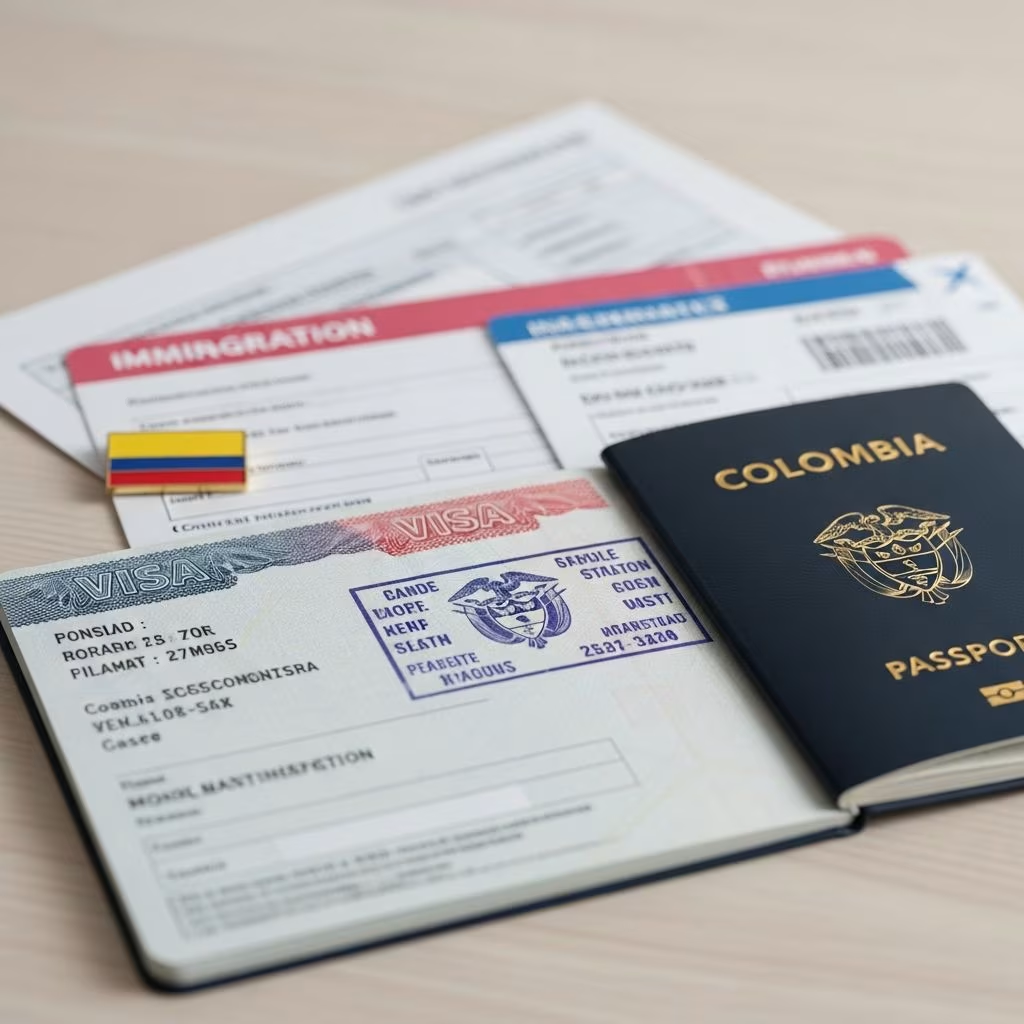 Travel Essentials
Colombia welcomes international travelers through a streamlined visa exemption program that allows citizens from over 100 nationalities to enter the country without obtaining a visa in advance. The Colombian government has established a system where eligible visitors can receive a complimentary visitor permit directly upon arrival at the country’s international borders. This approach reflects Colombia’s efforts to facilitate tourism while maintaining proper immigration controls and security protocols.
The primary pathway for most international visitors involves arriving at a Colombian port of entry and receiving temporary authorization from immigration officers. Rather than requiring advance visa processing at consulates or embassies, the system grants immediate entry permission upon presentation of necessary travel documentation. This streamlined process has made Colombia an increasingly accessible destination for travelers from diverse geographic regions.
International visitors arriving under the visa exemption scheme receive authorization to remain in Colombia for a maximum of 90 days from their date of entry. This initial period applies to tourism, business activities, and related purposes as determined by Colombian immigration authorities. The timeframe begins on the specific date of arrival rather than from a standardized calendar date, allowing flexibility based on individual travel schedules.
The 90-day initial permit represents the maximum duration granted during the first entry. However, Colombian immigration policy permits visitors to extend their authorized stay beyond this initial period by applying for extensions at local offices of Migración Colombia. The maximum cumulative stay permitted within a 12-month calendar period extends to 180 days, providing opportunities for longer-term visits through formal extension processes.
Visitors holding visas with validity periods exceeding 90 days must complete a registration process within 15 days of arriving in Colombia. This registration can be conducted at physical Migración Colombia offices located throughout the country or through online platforms provided by the immigration authority. Failure to register visas with extended validity periods may result in fines or other penalties imposed by Colombian authorities.
Before traveling to Colombia, international visitors must assemble specific documents to satisfy entry requirements. Understanding these documentation needs prevents delays, complications, or denial of entry at border checkpoints. The following represents a comprehensive overview of required and recommended materials:
A valid passport constitutes the fundamental travel document required for entry into Colombian territory. Colombian immigration regulations mandate that passports maintain a minimum validity period of six months extending beyond the intended date of departure from Colombia. This requirement ensures that travel documents remain valid throughout the entire stay, accommodating unexpected extensions or complications.
For example, if planning a March visit, the passport must maintain validity through at least September of that same year. Beyond the validity requirement, passports must be in acceptable physical condition with blank pages available for entry stamps and official markings. Damaged documents or those lacking sufficient blank pages may be rejected during immigration processing.
Travelers are advised to maintain copies of their passport information in both physical and digital formats. Keeping original documents secured in hotel safes while carrying authenticated photocopies provides security and practical accessibility during daily travel throughout the country.
Immigration authorities require all visitors to demonstrate their intention to leave Colombia within the authorized visitor period. This requirement is satisfied by presenting either a return ticket to the visitor’s country of origin or a continuation ticket to another destination. The ticket must show a departure date occurring within the 90-day visitor permit window to satisfy regulatory requirements.
Documentation of outbound travel serves multiple purposes within the immigration system. It confirms that visitors understand their authorized stay duration and demonstrates financial capability to maintain travel arrangements. Airlines and travel platforms can facilitate ticket procurement, and electronic confirmations typically satisfy this documentation requirement.
While not universally required, Colombian immigration officials may request evidence of financial resources to support the proposed stay. Acceptable documentation includes bank statements, credit card records, traveler’s checks, or other financial instruments demonstrating adequate funds. This requirement prevents situations where visitors become stranded or unable to cover basic expenses during their time in the country.
The specific amount required varies based on factors including stay duration, planned activities, and individual circumstances. Maintaining readily accessible financial documentation prevents unexpected complications at border control points or during immigration interviews.
Colombian immigration requires completion of a standardized entry form known as Check-Mig before arrival. This form can be completed online through official Migración Colombia platforms and should be finished prior to the trip. Electronic submission streamlines the border entry process and provides authorities with advance information about incoming visitors.
The pre-arrival registration system became operational to enhance security protocols and improve border management efficiency. Completing this step before travel demonstrates compliance with administrative requirements and facilitates smoother passage through immigration checkpoints.
Parents and guardians traveling with minor children must provide additional documentation establishing legal authorization. Original birth certificates serve to verify biological or adoptive relationships between adults and minors. In situations where guardians are not biological parents, notarized letters of consent from both parents become necessary to demonstrate legal authority for international travel.
These requirements exist to prevent child trafficking and unauthorized removal of minors from their country of origin. Obtaining and organizing these documents in advance prevents last-minute complications that could prevent travel.
Citizens of certain Latin American countries may enter Colombia using national identification documents rather than passports, depending on bilateral agreements and specific regulations. This arrangement reflects regional mobility frameworks and facilitates travel among neighboring nations. However, passport holders from these countries may still utilize passport-based entry systems.
No mandatory vaccination requirements currently exist for entry into Colombia. However, travelers planning to visit specific regions, particularly the Amazon basin, may need yellow fever vaccination protection. Medical professionals recommend obtaining appropriate vaccinations regardless of official requirements to prevent health complications during travel.
Vaccination cards and medical records provide documentation of immunization status if required. Travel insurance documentation is highly recommended despite not being mandatory, offering financial protection against medical emergencies, trip cancellations, or unexpected complications.
Colombia operates an electronic visa program designed for citizens of countries not included in the visa exemption list. The e-visa system streamlines application processes by eliminating the need for in-person consulate visits while maintaining security standards. Applications can be completed online from anywhere in the world, providing convenience and accessibility.
The electronic visa serves tourism, business, and transit purposes and authorizes stays of 90 days or less. Applications typically receive approval within 24 to 72 hours from submission, allowing rapid processing compared to traditional consular visa procedures. Applicants must meet specific eligibility criteria including valid passport documentation and demonstrated financial means to cover their stay.
Citizens of countries ineligible for e-visa programs or those seeking visas with extended validity must apply through Colombian diplomatic missions in their countries of origin. The consular visa application process requires submission of comprehensive documentation including passport copies, financial statements, travel itineraries, and supporting materials. Processing timelines vary by consulate and application complexity, typically requiring several weeks for completion.
Visa fees for traditional consular applications include a study fee (approximately USD 50) and an issuance fee (approximately USD 100), totaling around USD 150. These fees are non-refundable regardless of application outcomes, making accurate documentation preparation essential before submission.
Visa validity refers to the period during which a visa can be used to enter Colombia, commencing from the issuance date. The maximum stay permitted under visitor status extends to 180 days within any 12-month calendar year. Initial stays typically receive 90-day authorization, with extensions available through Migración Colombia offices for qualifying applicants.
Effective preparation for Colombian travel involves organizing documents in accessible and secure formats. Maintaining digital copies of all important documents through cloud storage services provides backup access if original materials become lost or damaged. Creating both electronic and physical copies of passports, visa documentation, hotel reservations, and travel confirmations creates redundancy and ensures continuity if complications arise.
Hotel safes offer secure storage for original passport documents while traveling within the country. Carrying authenticated photocopies satisfies most identification requirements during daily activities while minimizing risk of losing critical original materials. This separation between secured originals and portable copies represents a recommended security practice.
Passports must be in acceptable condition without damage, water stains, or alterations that might raise security concerns. Border officials have authority to reject documents deemed to be in inadequate condition regardless of technical validity. Checking passport quality before travel prevents unexpected entry denials.
Travelers must use the same passport for entry into Colombia that was used during visa application and e-visa registration. Attempting to enter with different passport documents creates inconsistencies within immigration systems and may result in entry denial. Border control agents specifically verify that presented documents match application records.
Documents issued abroad and submitted as part of visa applications must be translated into Spanish when originally presented in other languages. Official translations require legalization through apostille procedures, which validate the authenticity of translation and issuing documents. This requirement applies to certificates, financial statements, and other supporting materials originating from foreign jurisdictions.
Colombia exempts approximately 102 nationalities and territories from visa requirements for short-term stays not exceeding 90 days. This list includes most Western nations, numerous Latin American countries, and citizens of many other regions. The Colombian Ministry of Foreign Affairs maintains updated information regarding eligible nationalities and specific conditions.
Yes, visitors can apply for extensions through Migración Colombia offices located throughout the country. Extensions are evaluated individually and approval depends on factors including financial documentation, purpose of stay, and overall compliance with Colombian immigration regulations. The total stay permitted within a calendar year cannot exceed 180 days.
Overstaying your authorized visitor period may result in fines, penalties, or restrictions on future entry to Colombia. Immigration authorities track departure compliance and may impose consequences including deportation procedures for serious violations. It is important to depart before your authorized period expires or obtain formal extension approval.
Travel insurance is not mandatory for entry but is highly recommended. Comprehensive travel insurance provides financial protection against medical emergencies, trip cancellations, lost luggage, and other unexpected complications that could result in significant expenses during international travel.
Citizens of select Latin American countries may enter Colombia using national identification documents under bilateral agreements. However, passport holders should verify specific requirements with their nearest Colombian diplomatic mission to confirm eligibility and any special conditions.
