


 Food & Culture
Food & Culture
Colombian Food Guide: Must-Try Dishes by Region
Explore Colombia's diverse regional cuisine from coastal seafood traditions to Andean highland specialties, featuring essential dishes that showcase the country's rich culinary heritage.
 Food & Culture
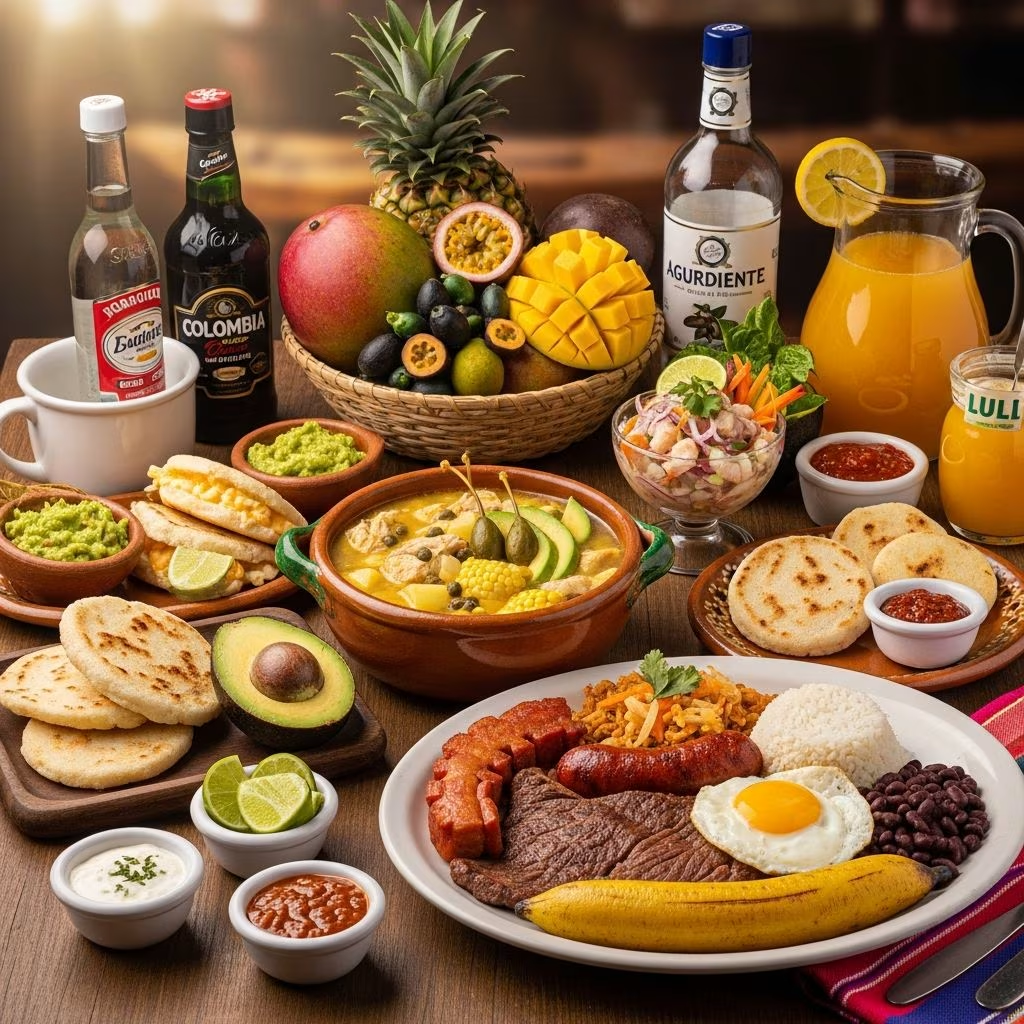
Colombia’s culinary landscape reflects the country’s extraordinary geographical diversity, spanning from Caribbean coastlines to Andean mountain ranges and Amazon rainforest regions. Each of the nation’s 23 regions maintains distinct gastronomic traditions shaped by local ingredients, cultural influences, and historical development. Understanding Colombian cuisine requires appreciating how geography, climate, and regional identity converge to create a food culture that extends far beyond simple sustenance into an expression of community and heritage.
The Foundation of Colombian Breakfast Culture
The arepa stands as perhaps the most fundamental element of Colombian daily life, transcending its role as mere food to become a cultural cornerstone. These thick corn patties appear on breakfast tables across the nation, though regional variations create distinctly different experiences. The fundamental preparation involves mixing corn flour with water and salt, then cooking the resulting dough on a griddle until golden-brown exteriors form while maintaining soft, warm interiors. Unlike Mexican tortillas or Central American preparations, Colombian arepas possess greater thickness and a distinctly different texture profile that requires no additional tortillas for wrapping proteins or fillings.
Street vendors throughout Colombian cities prepare countless arepa variations daily, with the arepa de huevo standing as a quintessential Cartagena street food tradition. This specialized preparation involves filling corn cakes with ground meat and raw eggs before deep-frying until the exterior crisps and the interior egg cooks partially, creating contrasting textures that define the eating experience. Families across income levels enjoy arepas for breakfast, lunch, and dinner, often serving them alongside beans, rice, or as accompaniments to more elaborate main courses. The flexibility of arepa preparations makes them accessible whether purchasing from humble street carts or encountering elevated versions at upscale restaurants.
Savory Pastries and Portable Indulgences
Empanadas represent another cornerstone of Colombian street food culture, appearing in nearly every neighborhood and market throughout the country. Colombian empanadas typically utilize corn flour dough rather than wheat-based wrappers, creating distinctly crispy exterior textures when deep-fried. The filling possibilities range from simple ground meat and potatoes to more sophisticated combinations incorporating shredded chicken, cheese, and fresh vegetables. The traditional eating method involves taking small bites and accompanying each with carefully selected salsa varieties, with popular street stalls maintaining over ten different sauce options ranging from mild avocado-based preparations to intensely hot options for chili enthusiasts.
The carimañola offers an alternative filled pastry experience, particularly popular along Colombia’s Pacific and Caribbean coasts. These torpedo-shaped parcels utilize mashed yuca or cassava rather than corn flour, yielding noticeably softer textures that contrast with traditional empanadas. Filled most commonly with ground meat, shredded chicken, or cheese, carimañolas showcase how similar preparations can yield varied sensory experiences through ingredient substitution. The distinct texture profile makes carimañolas a worthwhile exploration for travelers seeking to compare preparation methods across Colombian street food traditions.
Breakfast Sweets and Savory Combinations
Buñuelos represent the sweet side of Colombian breakfast traditions, functioning as deep-fried fritters that occupy an intermediate space between savory and sweet preparations. These golden pastries possess subtle sweetness balanced with delicate textures that encourage consuming multiple pieces in succession. Related preparations including almojábanas and pan de bono incorporate cheese into the dough, creating slightly savory alternatives that pair exceptionally well with hot chocolate.
The traditional pairing of buñuelos with hot chocolate reflects broader Colombian breakfast patterns, particularly the beloved chocolate santafereño. This distinctive preparation involves heating chocolate with cheese (typically queso campesino) that partially melts and collects at the beverage’s bottom, creating an unexpected flavor combination that initially surprises but ultimately delights most palates. Travelers often express skepticism toward this combination until experiencing its genuine appeal firsthand.
Regional Heavyweight Dishes
The bandeja paisa emerges as Colombia’s most recognizable and ambitious single-plate creation, originating from the Antioquia region and particularly prevalent throughout Medellín. This massive platter presents a comprehensive overview of Colombian comfort food traditions, featuring an overwhelming combination of proteins, carbohydrates, and accompaniments that challenges even enthusiastic eaters. The composition typically includes multiple meat preparations such as ground beef, chorizo, fried pork belly, and morcilla (blood sausage), alongside a fried egg, white rice, baked plantains, and beans prepared in the Paisa regional style.
The dish’s name references both its geographic origin and its characteristic presentation, as “bandeja” translates to platter in Spanish. Consuming bandeja paisa requires serious appetite and often necessitates skipping subsequent meals, leading to the regional saying that only “berracos” (the brave) fully complete this challenge. Despite its reputation for excess, bandeja paisa remains deeply beloved across Colombia, functioning as the ultimate comfort food and a point of regional pride for Antioquian natives.
Frijoles Antioqueño presents a similarly substantial preparation showcasing regional ingredient preferences and cooking techniques. This dish combines local beans, crispy pork crackling, ground beef, soft-fried eggs, raw banana, ripe plantain, steamed potatoes, and fresh coriander, typically served with two varieties of chili sauce and steamed rice. The generous portions and ingredient combinations suggest sharing between two diners at lunch, with this single meal often eliminating dinner requirements.
Coastal Traditions and Seafood Heritage
Colombia’s extensive Caribbean and Pacific coastlines support rich seafood traditions reflecting centuries of coastal settlement and maritime commerce. Ceviche, while originating in Peru, has established deep roots throughout Colombian coastal regions, appearing from Caribbean beaches to informal coastal stalls. The Colombian interpretation maintains the fundamental character of marinated raw fish and shellfish while adapting to locally available ingredients and regional flavor preferences. The tangy, hearty preparation style attracts both tourists and locals throughout coastal areas, functioning as a symbol of maritime connection and fresh ingredient availability.
Fish preparations extend beyond ceviche to include fried whole fish (pescado frito) offerings throughout coastal cities and beach communities. These straightforward but satisfying preparations showcase ingredient quality and cooking technique, appearing on restaurant menus across price categories.
Soup Traditions and Comfort in Bowls
Ajiaco represents perhaps Colombia’s quintessential comfort soup, particularly associated with the capital city of Bogotá. This hearty preparation combines chicken, three distinct potato varieties, corn, and guasca herb, creating complex flavor layers and satisfying textures. The soup is traditionally served with separate accompaniments including cream, capers, ají sauce, and avocado, allowing diners to customize heat levels and richness. The dish’s distinct flavor profile and widespread availability throughout Colombian eateries makes ajiaco one of the most accessible authentic culinary experiences for travelers exploring Colombian food culture.
Tamales Tolimenses showcase highland cooking traditions emanating from the Tolima Department in Colombia’s Andean regions. These wrapped parcels incorporate chicken, pork ribs, potatoes, peas, carrots, boiled eggs, and rice, representing labor-intensive preparations traditionally made for special occasions and breakfasts. The regional variation demonstrates how similar preparations yield distinctly different results when adapted to highland ingredients and local preferences.
Diverse Preparation Styles and Street Food Accessibility
Colombian street food culture democratizes access to regional dishes, enabling travelers to sample authentic preparations at minimal cost from neighborhood vendors. The prevalence of street food stalls in busy areas means encountering golden-brown empanadas, fresh arepas, and other traditional items requires minimal navigation or planning. This accessibility encourages culinary exploration and reduces barriers to experiencing authentic regional cuisine beyond formal restaurant settings.
The variations between regions create opportunities for comparative tasting, as dishes with similar names often reflect distinct regional approaches. Traveling between Colombian cities and regions reveals how ingredient availability, cultural influences, and local preferences create unique interpretations of nominally identical dishes.
Beverage Traditions and Refreshment Culture
Beyond solid foods, Colombian beverages reflect regional agricultural production and cultural preferences. Avena helada provides relief from tropical heat, functioning as a refreshing oat-based drink resembling vanilla milkshakes in appearance and texture while maintaining distinct flavor characteristics. Limonada de coco showcases coconut’s prominence in coastal regions, offering tropical refreshment that complements seafood preparations particularly well.
Pandebono presents another essential Colombian snack requiring mention within beverage contexts, as these soft buns made from yuca flour and corn starch enriched with cheese pair exceptionally well with cold drinks like avena helada. The combination of warm, savory, slightly sweet bread with cool beverage creates satisfying eating experiences throughout Colombian afternoons.
Practical Considerations for Culinary Exploration
| Dish Category | Best Time to Eat | Regional Emphasis | Street vs. Restaurant |
|---|---|---|---|
| Arepas & Empanadas | Breakfast, Lunch, Anytime | Nationwide | Both |
| Bandeja Paisa | Lunch Only | Antioquia/Medellín | Restaurant |
| Ceviche | Lunch | Caribbean Coast | Both |
| Ajiaco | Lunch, Dinner | Bogotá/Highlands | Both |
| Seafood | Lunch | Coastal Regions | Both |
Regional Food Experiences and Culinary Routes
Travelers seeking comprehensive Colombian culinary experiences benefit from regional focus, allowing deeper exploration of local ingredients, preparation traditions, and food culture contexts. Spending multiple days within regions provides opportunities to encounter seasonal specialties, family-run restaurant traditions, and ingredient variations reflecting local agricultural cycles. This approach yields richer understanding than attempting to sample all regional dishes within single locations.
Markets throughout Colombian cities provide valuable culinary education, showcasing regional ingredient availability and preparation methods. Bogotá’s central market areas display highland potato varieties used in ajiaco preparations, while coastal markets overflow with seafood selections that inspire daily menu decisions among local cooks.
Frequently Asked Questions
What constitutes authentic Colombian comfort food? Dishes like bandeja paisa and ajiaco represent traditional comfort food preparations, characterized by hearty ingredient combinations, generous portions, and deep cultural associations with home cooking and family meals.
How do regional ingredients influence Colombian cuisine? Geography determines ingredient availability, with coastal regions emphasizing seafood, highland areas utilizing diverse potato varieties, and tropical zones incorporating plantains and tropical fruits into daily preparations.
Are Colombian street foods safe for travelers? High-volume street vendors operating in busy areas typically maintain strong food safety standards due to rapid ingredient turnover and continuous preparation throughout operating hours.
What differentiates Colombian from other Latin American cuisines? Colombian cuisine emphasizes regional diversity, extensive use of corn in preparations, and particular reliance on beans, rice, and plantains as foundational ingredients across varied regional dishes.
How expensive is Colombian street food? Street food remains remarkably affordable, with empanadas, arepas, and similar items typically costing less than one dollar, making authentic culinary exploration accessible across all budget levels.
References
- The 20 dishes you can’t leave Colombia without trying — Lifestyle Enthusiast. 2017-12. https://www.lifestyleenthusiast.co.uk/2017/12/colombian-must-eats.html
- Foods to Try in Colombia — Great Value Vacations. https://www.greatvaluevacations.com/travel-inspiration/foods-to-try-in-colombia
- Colombian food: 23 things you must try in Colombia — Always Carry On. 2016-05-31. https://alwayscarryon.com/2016/05/31/colombian-food/
- Colombian Street Food: 25 Must-Try Dishes — Will Fly For Food. https://www.willflyforfood.net/colombian-street-food/
- What to Eat in Colombia: Ultimate Guide to Delicious Colombian Food — Desk To Dirtbag. https://www.desktodirtbag.com/guide-colombian-food/
- Colombian Street Food: Must-Try Colombian Dishes — Lauren on Location. https://laurenonlocation.com/must-eats-colombia/
- 10 Foods and Drinks You Must Try in Colombia — I Heard Somewhere. https://iheardsomewhere.com/10-foods-and-drinks-you-must-try-in-colombia/
On This Page
The Foundation of Colombian Breakfast Culture Savory Pastries and Portable Indulgences Breakfast Sweets and Savory Combinations Regional Heavyweight Dishes Coastal Traditions and Seafood Heritage Soup Traditions and Comfort in Bowls Diverse Preparation Styles and Street Food Accessibility Beverage Traditions and Refreshment Culture Practical Considerations for Culinary Exploration Regional Food Experiences and Culinary Routes Frequently Asked Questions← Previous
How to Get Around St. Lucia: Transport Options, Costs & Tips
Next →
Traveling With Dementia: Caregiver Planning Tips
Related Reading
More in Food & Culture
Food & Culture Food & Culture
 Food & Culture
Best Places to Eat in Rome: Neighborhood Dining Guide
 Food & Culture
 Food & Culture