

 Travel Essentials
 Travel Essentials

Plan safer, smarter climbs on Colorado’s 58 fourteeners with beginner routes, weather tips, gear essentials, and Leave No Trace guidance.
 Travel Essentials
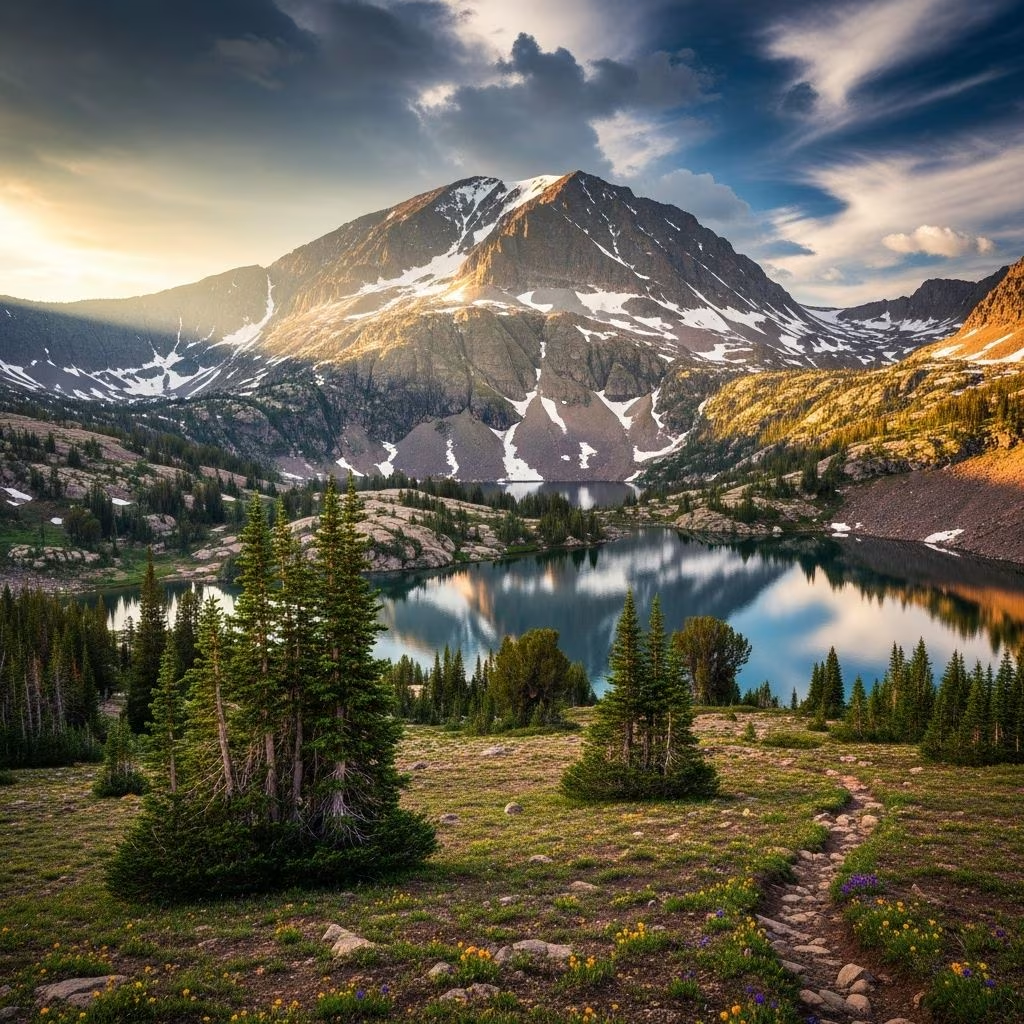
Colorado boasts 58 majestic peaks soaring above 14,000 feet, known as fourteeners, drawing adventurers from around the world to test their limits in the Rocky Mountains. These summits offer breathtaking vistas, physical challenges, and a sense of accomplishment unmatched by lower trails.
A fourteener is defined as any mountain with an elevation of at least 14,000 feet above sea level, a threshold that places Colorado at the forefront with the highest concentration in the contiguous United States. Unlike mere elevation counts, prominence matters—peaks must rise significantly from surrounding terrain to qualify officially, ensuring each stands as a distinct challenge. This high-altitude playground spans diverse ranges like the Sawatch, Elk, and Front Range, each offering unique terrain from rugged ridges to alpine meadows.
Climbing these giants isn’t just about height; it’s an immersion in Colorado’s wild heart. Expect thin air, where oxygen levels drop, testing even seasoned hikers. Yet, the rewards—panoramic views of endless snow-capped ridges and wildflower-strewn valleys—make every step worthwhile.
Success on a fourteener demands meticulous planning. Start with physical conditioning: build endurance through cardio, strength training, and elevation simulations if you’re from sea level. Acclimatization is crucial—spend a few days at 8,000-10,000 feet before attempting a summit to mitigate altitude sickness symptoms like headaches or nausea.
Mental preparation counts too. Visualize the route, study topo maps, and join online forums for recent trail reports. Hydrate aggressively pre-hike; dehydration amplifies altitude effects.
Colorado’s afternoons brew fierce thunderstorms, especially above treeline, making early starts non-negotiable. Aim to summit by noon and descend before 1 PM to evade lightning, which claims lives yearly on exposed ridges. Monitor forecasts via NOAA apps; cumulus clouds building by 10 AM signal retreat time.
| Weather Risk | Symptoms/Signs | Action Plan |
|---|---|---|
| Lightning | Dark clouds, thunder within 30 minutes | Descend below treeline, avoid ridges |
| Altitude Sickness | Headache, dizziness, fatigue | Descend 1,000 ft, oxygen if available |
| Hypothermia | Shivering, confusion | Layer up, hot drinks, shelter |
Wind speeds can exceed 50 mph, chilling bare skin instantly. Always carry a bivy sack for sudden whiteouts.
Not all fourteeners intimidate; several Class 1-2 routes suit novices with proper prep. Here’s a curated selection:
These peaks see heavy traffic, offering solitude in early mornings. Expect crowds on weekends; midweek solitude awaits.
Veterans crave technical routes on peaks like the Maroon Bells (14,014 ft & 14,019 ft), where Class 3 scrambling demands hands-on navigation amid loose rock. The Capitol Peak’s knife-edge ridge terrifies even pros, requiring helmets and ropes. Elk Mountains’ seven fourteeners form a brutal circuit for multi-day traverses.
For rock enthusiasts, Little Bear Peak’s Black Dike (5.7 crack) blends alpine trad climbing with summit glory, though loose holds demand caution. Always scout beta from guidebooks like Gerry Roach’s Colorado’s Fourteeners.
With 500,000+ annual visitors, fourteeners face erosion and waste. Adhere strictly to Leave No Trace:
Organizations like the Colorado Fourteeners Initiative repair trails and educate—volunteer to give back. Wildlife thrives here; store food securely against bears and marmots.
Summer (June-September) reigns supreme with snow-free trails, but shoulder seasons add spice. Spring corn snow suits ski-mountaineers on gentle east faces. Fall delivers golden aspens and stable weather into October.
Winter bids require avalanche certification, ice axes, and crampons—peaks like Longs Peak become mountaineering epics. Check SNOTEL data for snowpack; join local groups for partners.
Peak baggers tally all 58 via ranked lists (58 for 14ers, 53 with 300 ft prominence). Cluster hikes by range: Sawatch for volume (15 peaks), San Juans for remoteness. Base camps in Leadville or Ouray streamline logistics.
Permits? Free for most, but Maroon Bells requires timed entry. Road access varies—4WD for Yankee Basin, shuttles for Conundrum Creek.
Average fourteener gains 3,000-4,000 ft; fit hikers average 1,000 ft/hour. Test readiness with a 14-mile, 4,000 ft day hike. Women and older adventurers thrive with smart pacing—rest every hour, fuel frequently.
Post-hike recovery: elevate legs, replenish electrolytes, monitor for rhabdomyolysis from extreme exertion.
Mt. Bierstadt offers the shortest, least technical route for beginners.
Acclimatize first; start with 12ers or 13ers to build tolerance.
Yes on most, but leashed; paw protection essential for rocky terrain.
Weekends see 200+ on popular routes; arrive pre-dawn for parking.
Start hikes by 4-5 AM, summit by 11 AM.
Beyond bragging rights, fourteeners foster resilience, nature connection, and humility amid vastness. Each summit reveals new perspectives—geologic wonders, wildlife sightings, inner strength unearthed. Whether solo or with family, these peaks transform hikers into storytellers.
