

 Travel Essentials
 Travel Essentials

Discover essential preparation tips for visiting Colorado, including altitude adaptation, weather readiness, road safety, and outdoor etiquette to maximize your mountain experience.
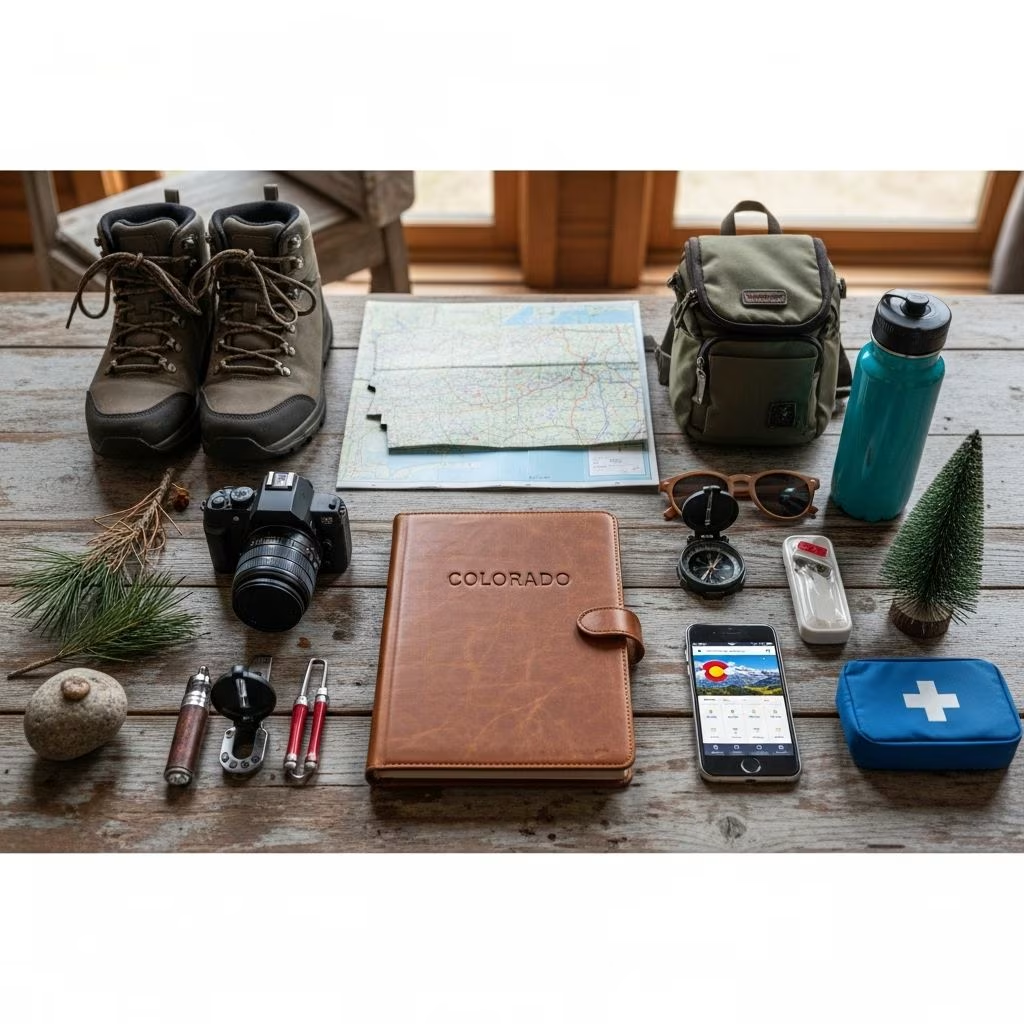 Travel Essentials
Colorado welcomes over 90 million annual visitors who come seeking world-class skiing, breathtaking mountain landscapes, and unforgettable outdoor adventures. The state’s natural diversity—spanning from high alpine peaks to desert plateaus—creates an extraordinarily compelling destination. However, visiting Colorado requires thoughtful preparation that goes beyond typical travel planning. Understanding the unique challenges posed by elevation, weather patterns, terrain, and environmental considerations will significantly enhance your experience and ensure your safety throughout your stay.
Denver, Colorado’s capital, earned its nickname as the “Mile High City” because it sits at exactly 5,280 feet above sea level. This elevation significantly impacts how your body functions, particularly if you’re traveling from lower altitudes. Colorado contains 830 mountains between 11,000 and 14,000 feet, with 52 peaks exceeding 14,000 feet, making it one of the highest states in the nation.
Altitude sickness represents one of the most common challenges visitors face. When your body encounters decreased oxygen levels at higher elevations, it may struggle to adjust properly. Symptoms can include headaches, fatigue, shortness of breath, and dizziness. To manage this effectively:
Colorado’s climate presents unique challenges due to rapid weather fluctuations, particularly in mountainous regions. Weather patterns can shift dramatically within hours, and conditions at higher elevations differ substantially from lower valleys. Strategic packing is essential for comfort and safety.
Layering Strategy
The most effective approach involves bringing multiple layers that you can add or remove as conditions change. A well-organized packing system should include:
Sun and Skin Protection
Colorado’s high elevation means thinner atmospheric protection from ultraviolet radiation. The state’s abundant sunshine and dry climate create significant sun exposure risks. Essential items include:
Colorado’s mountainous terrain creates complex driving conditions that demand special attention and preparation. Understanding traffic patterns and road conditions is critical for safe travel. The state’s 830 mountains between 11,000 and 14,000 feet result in winding roads that climb, descend, and tunnel through mountain passes, such as the Eisenhower Tunnel on Interstate 70.
Strategic Travel Timing
Peak travel periods create significant delays on Colorado’s highways. Fridays see westbound congestion on I-70 as visitors head to mountain destinations, while Sundays experience heavy eastbound traffic as people return home. A typical 90-minute drive from ski resorts like Keystone to Denver can extend to several hours on Sunday afternoons, even under dry road conditions.
Plan major drives during weekdays when possible and avoid holiday weekends entirely. If weekend travel is unavoidable, depart very early in the morning to minimize traffic encounters.
Weather-Related Driving Hazards
Colorado’s weather creates distinct regional patterns. Snow and icy conditions frequently occur in mountains during spring and fall months when lower elevations remain snow-free. Always check weather forecasts for your destination—not just your departure point—as mountain conditions can be dramatically different.
Winter mountain driving requires:
Colorado state law mandates good tire tread and all-weather tires when driving in storms. Consult cotrip.org for real-time road conditions and safety alerts before any mountain journey.
Colorado’s popularity means that major attractions, accommodations, and recreational opportunities fill quickly, particularly during peak seasons. Popular destinations like Rocky Mountain National Park, Great Sand Dunes National Park, and Mesa Verde National Monument often reach capacity, requiring advance reservations.
Begin planning your accommodations and major activities at least 2-3 months before your intended travel dates. This advance booking ensures access to preferred locations and helps establish a coherent itinerary. Many national parks offer online reservation systems that allow advance booking, reducing uncertainty about availability.
Colorado’s residents deeply value the state’s natural environment, and visitors are expected to demonstrate comparable respect through their behavior. The outdoor landscape forms the foundation of Colorado’s appeal, and protecting it requires individual commitment to conservation practices.
Leave No Trace Principles
Responsible outdoor behavior includes:
Colorado’s wilderness encompasses over 40 distinct areas across the state, each offering unique ecological characteristics. These spaces support diverse wildlife and plant communities that deserve protection from human impact. Following leave-no-trace ethics ensures these areas remain pristine for future generations.
Colorado’s national parks attract visitors from across the globe, creating potential overcrowding during peak periods. Strategic planning allows you to experience these magnificent landscapes while avoiding excessive crowds.
Visit national parks immediately upon opening and concentrate your visits on weekdays when possible, as midweek attendance typically remains lower than weekends. This timing adjustment significantly improves your experience quality and allows for more meaningful interaction with the landscape.
Beyond well-known destinations, Colorado contains numerous lesser-visited natural areas offering equivalent beauty with substantially fewer visitors. Wilderness areas, state parks, and lesser-known national monuments provide authentic Colorado experiences without the crowding associated with famous attractions.
Colorado’s diverse terrain and outdoor opportunities can seem overwhelming to first-time visitors. Professional guided tours and local outfitters possess intimate knowledge of hidden locations and specialized activities. These experts can arrange experiences ranging from backcountry skiing and fly-fishing to whitewater rafting and mountain biking, customizing adventures to match your skill level and interests.
| Category | Essential Items/Actions |
|---|---|
| Packing | Layers, waterproof shell, hat, gloves, SPF sunscreen, lip balm, moisturizer, sturdy footwear |
| Health | Hydration plan, altitude adjustment time, medication consultation if needed |
| Travel Planning | Advance reservations, weekday travel when possible, road condition checks via cotrip.org |
| Vehicle Preparation | All-weather tires, auto-socks, emergency kit, full tank of fuel |
| Outdoor Ethics | Leave-no-trace commitment, trail awareness, waste management plan |
