


 Food & Culture
Food & Culture
Comida Corrida in Oaxaca: Cheap, Authentic Local Lunches
Learn everything about comida corrida, Oaxaca's affordable daily lunch special. Explore what to expect, where to eat, pricing, and how this tradition supports local communities.
 Food & Culture
Understanding Mexico’s Most Affordable Meal Tradition
Throughout Mexico, a cherished midday dining custom brings together workers, students, families, and travelers seeking genuine, nourishing meals at remarkably low prices. In Oaxaca specifically, this tradition reaches its pinnacle, offering some of the most authentic and wallet-friendly eating experiences in the country. The practice represents far more than just an economical choice—it embodies the rhythms of daily life in this vibrant southern Mexican state, where community, affordability, and culinary excellence intersect seamlessly.
For those exploring Oaxaca on a modest budget, understanding this dining custom opens doors to experiences that go beyond typical tourist meals. You’ll find yourself dining alongside locals in their preferred neighborhood spots, sharing tables with office workers during their lunch break, and discovering flavors that reflect generations of Oaxacan cooking traditions.
What Defines This Daily Lunch Phenomenon
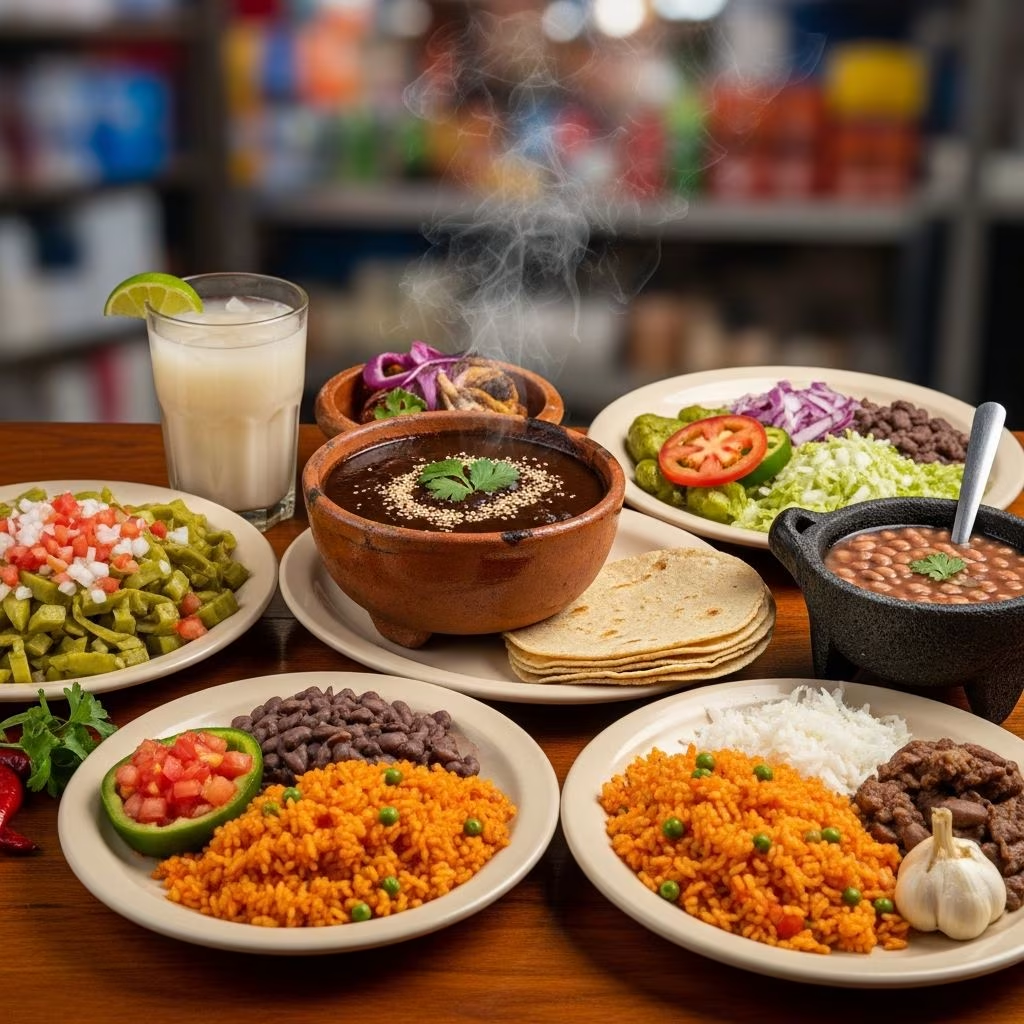
The meal concept known as comida corrida (also called menú del día in many regions) is a fixed-price lunch offering served at dedicated restaurants, casual eateries, and family-run establishments throughout Mexico. This isn’t a limited-time promotional menu—it represents the fundamental business model for thousands of small restaurants catering to the working population who need quick, satisfying midday meals.
A typical comida corrida structure includes multiple sequential courses:
- An opening course, frequently a light soup crafted from pasta or fresh vegetables in clear broth
- A carbohydrate component that might feature rice, beans, or other traditional starches
- A substantial protein-centered main dish representing the meal’s focal point
- A concluding course, typically a modest dessert or simple sweet preparation
- A beverage component featuring agua fresca, which are naturally sweetened fruit or grain-based drinks like horchata or jamaica
The pricing structure reflects deliberate portion planning. Rather than serving oversized servings in the American dining tradition, restaurants calibrate portions to remain satisfying while maintaining affordability. This approach enables establishments to offer complete meals for between 90 and 130 Mexican pesos, translating to approximately 5-6 USD at current exchange rates.
The Economics Behind the Experience
The comida corrida model emerged from genuine practical necessity. Mexico’s professional workforce requires substantial midday nutrition to sustain productivity through afternoon hours, yet many workers operate under financial constraints. The system evolved to serve this demographic: office employees, shopkeepers, teachers, transportation workers, and laborers who populate these establishments between 1:30 and 4:00 PM on weekdays.
Restaurant owners maintain this pricing through strategic sourcing. Many establishments purchase ingredients daily from local markets, selecting available produce and proteins that fluctuate with seasonal availability. This practice reduces waste, supports agricultural producers, and ensures ingredient freshness. Menus consequently shift day to day, which protects diners from monotony while optimizing ingredient costs.
The sustainability of this model depends on volume. By serving consistent customer flows during established lunch hours, restaurants achieve profitability despite modest per-meal margins. This approach contrasts sharply with tourist-oriented establishments charging premium prices for similar-quality meals.
Oaxaca’s Distinctive Culinary Advantage
Oaxaca holds particular prominence in Mexico’s gastronomic landscape, earning recognition as a premier food destination. The state’s distinctive ingredient palette—featuring indigenous Mexican produce, distinctive mole preparations, and traditional cooking techniques—creates comida corrida experiences substantially different from those in other Mexican regions.
The region’s agricultural richness means ingredient availability remains exceptional. Restaurant operators access fresh tomatoes, peppers, herbs, indigenous greens, and proteins reflecting Oaxacan food culture. When diners encounter a comida corrida menu featuring fish filet or pork ribs as protein options, they’re typically experiencing locally-raised or locally-caught proteins prepared using time-tested regional techniques.
Furthermore, Oaxaca’s strong culinary traditions mean many comida corrida establishments employ cooks trained in classical preparations. These aren’t shortcuts or simplified versions of regional cuisine—they represent genuine traditional recipes scaled for daily service.
Navigating Pricing Variations
While the general price range falls between 90 and 130 pesos, individual establishments show variation based on multiple factors:
| Price Range | Typical Characteristics | Location Pattern |
|---|---|---|
| 45-60 pesos | Simpler preparations, smaller portions, limited options | Neighborhood spots, working-class areas |
| 60-100 pesos | Balanced offerings, moderate portions, 2-3 entree choices | Central areas, established restaurants |
| 100-130 pesos | Premium ingredients, generous portions, extensive selection | Downtown locations, reputation-established venues |
Ingredient availability directly influences pricing. When specialized proteins or imported items feature in the menu, prices trend toward the higher end. Conversely, meals featuring seasonal vegetables or standard proteins maintain lower price points.
Identifying Authentic Establishments
Distinguishing genuine comida corrida venues from tourist-marketed restaurants requires attention to specific indicators. Authentic establishments typically display handwritten daily menus on chalkboards positioned outside the restaurant. These aren’t laminated marketing materials—they represent actual daily offerings, often written the morning of service.
Location patterns reveal intention. Restaurants thriving on comida corrida business position themselves in working neighborhoods, near office buildings, or in accessible downtown areas. Tourist zones rarely support traditional comida corrida establishments since visitor dining patterns don’t align with the 1:30-4:00 PM service window.
Most importantly, observation of the customer base provides definitive evidence. During established lunch hours, legitimate comida corrida venues fill with local workers in professional attire, shopkeepers, and neighborhood residents. Tourist populations remain minimal. If a restaurant’s customer base appears primarily tourist-oriented, the comida corrida offerings likely represent secondary menu items rather than the establishment’s primary business model.
Notable Venues for Budget-Conscious Diners
Several Oaxaca locations have established strong reputations for consistent comida corrida quality:
Santo Sabor operates near the Zócalo central plaza on the western side of Independencia street. This establishment prices its daily special between 110-130 pesos while including generous agua fresca servings. Customers consistently praise the quality consistency and welcoming service approach. Multiple entree options daily allow flexibility in protein and preparation preferences.
Cocina Isabel, positioned near Llano Park, distinguishes itself through exceptional menu variety. Unlike many competitors offering two or three entree choices, this venue presents a dozen or more daily options spanning multiple soup varieties and diverse dessert selections. Certain combinations cost as little as 45 pesos, making it exceptionally accessible. The restaurant accommodates takeaway orders, serving professionals requiring portable meals.
Casa Taviche, located near the Cabuche area, merits attention despite unassuming exterior appearance. The establishment’s menu typically averages 85 pesos and includes two generous glasses of agua del día—a distinct advantage over single-serving competitors. Daily menu variations reflect genuine ingredient sourcing practices, guaranteeing fresh, locally-selected preparations.
Las Quince Letras offers an elevated comida corrida experience within a downtown colonial building. The venue features multiple open rooms and a covered patio with handmade tortilla preparation visible to diners. Service quality elevates the experience beyond standard working-lunch establishments, yet pricing remains accessible. Meals include soup, comal snacks like memelas, substantial entrees, abundant agua del día, and dessert.
Quinque represents a newer establishment bringing contemporary aesthetics to the comida corrida concept. Operating with black-and-white wall art and checked tablecloths, this venue markets itself as a burger and craft beer joint by evening yet maintains comida corrida service at only 60 pesos daily. Extended operating hours until 10 PM accommodate unusual schedules, though daily selection may deplete before closing.
Strategic Approach to Comida Corrida Dining
Maximizing the comida corrida experience requires understanding service dynamics and cultural expectations. These meals serve the working population during specific afternoon hours—typically between 1:30 and 4:00 PM on weekdays. Arriving outside these windows may result in unavailable service or limited daily menu options.
When dining with groups, taking advantage of menu flexibility enhances the experience. Since diners can order different entrees from the daily selections, group members can collectively sample multiple preparations. This approach transforms individual meals into shared culinary exploration.
Most establishments operate Monday through Saturday, closing by early evening. Sunday service remains inconsistent, making weekday visits more reliable. Arriving during peak service hours (2:00-3:00 PM) ensures full menu availability and authentic atmosphere, as working customers will populate surrounding tables.
Safety and Quality Considerations
Concerns about food safety in budget establishments deserve direct address. Comida corrida restaurants thrive through customer loyalty and repeat business—they cannot survive on single visits or tourist traffic. This economic reality creates powerful incentives for consistent quality and sanitary practices. The high volume of local customers returning daily represents implicit quality assurance.
Observable cleanliness provides practical assessment tools. Legitimate establishments maintain visible food preparation areas, clean serving surfaces, and attentive staff. The presence of local customers eating comida corrida regularly serves as the strongest endorsement. If neighborhood workers and office employees consume meals at an establishment daily, the venue has already survived stringent local evaluation.
Cultural Significance Beyond Economics
Consuming comida corrida extends beyond budget travel strategy—it represents participation in authentic Oaxacan daily life. These meals fuel the workforce that maintains the city’s rhythm. By dining at these establishments, visitors support small business owners and contribute directly to local economies in ways tourist restaurants cannot match.
The experience connects travelers to genuine food culture rather than commercialized versions marketed to outsiders. The daily menu variations reflect real seasonal agriculture and market conditions. The customer base represents actual community members, not performers in tourism theater. The cooking techniques and ingredient combinations derive from multigenerational family traditions rather than tourist-friendly modifications.
Maximizing Budget Travel Through Strategic Eating
For travelers operating under financial constraints, comida corrida represents exceptional value. A complete 3-4 course meal including beverage and dessert for under 6 USD enables budget travelers to allocate resources toward accommodations, transportation, and cultural activities while enjoying authentic meals. Over a week-long visit, this strategy reduces daily food expenses to levels comparable to self-catering in many destinations.
The practice also reduces decision fatigue. Rather than evaluating extensive menus and negotiating prices, travelers simply point to preferred dishes from the displayed selection. Language barriers diminish when ordering becomes selection-based rather than descriptive.
Frequently Asked Questions
What times should I expect comida corrida service?
Most establishments serve comida corrida between 1:30 PM and 4:00 PM. Arriving during this window guarantees full menu availability and the authentic experience of dining alongside working locals.
Are vegetarian options commonly available?
Yes. Most venues offer at least one vegetarian entree daily, and many include vegetable-based soups and bean dishes as standard components. It’s worth asking about daily vegetarian selections upon arrival.
Can I request modifications to standard preparations?
While some customization is possible at larger establishments, comida corrida functions as a fixed menu. Expecting modifications contradicts the model’s efficiency-based economics. Accept the daily offerings as prepared for authentic experience.
Is agua fresca safe to consume?
Yes. Agua fresca is prepared daily at reputable establishments and represents a standard beverage throughout Mexico. The high volume consumed by local customers provides implicit safety assurance.
How far in advance should I plan restaurant visits?
Reservations aren’t necessary or typical for comida corrida establishments. These venues function on walk-in basis during established service hours. Simply arrive during the 1:30-4:00 PM window on weekdays.
The Lasting Impact of Budget Dining Experiences
Traveling economically doesn’t require compromising meal quality or cultural authenticity. The comida corrida tradition exemplifies how constraint-driven systems can generate excellence. By serving the local workforce efficiently, these establishments maintain standards that rival tourist-oriented restaurants despite dramatically lower prices.
For visitors to Oaxaca, participating in this tradition offers benefits extending beyond monetary savings. It provides genuine connection to community life, access to authentic preparations, support for local business owners, and memorable experiences that expensive tourist restaurants cannot replicate. Understanding and embracing comida corrida transforms budget limitations from constraints into opportunities for deeper travel experiences.
References
- Comida Corrida in Oaxaca: Is It Safe? Your Honest Guide to These Super Cheap Local Lunches — Monte Albano Oaxaca. 2026. https://montealbanoaxaca.com/comida-corrida-in-oaxaca-is-it-safe-is-it-good-your-honest-guide-to-these-super-cheap-local-lunches/
- Ten Places to Grab Lunch on a Budget in Oaxaca — Lonely Planet. https://www.lonelyplanet.com/articles/cure-the-hangries-on-a-budget-with-comida-corrida-in-oaxaca
- Oaxaca Street Food Guide: A Culinary Adventure — The Bamboo Traveler. https://thebambootraveler.com/best-street-food-in-oaxaca/
On This Page
Understanding Mexico's Most Affordable Meal Tradition What Defines This Daily Lunch Phenomenon The Economics Behind the Experience Oaxaca's Distinctive Culinary Advantage Navigating Pricing Variations Identifying Authentic Establishments Notable Venues for Budget-Conscious Diners Strategic Approach to Comida Corrida Dining Safety and Quality Considerations Cultural Significance Beyond Economics Maximizing Budget Travel Through Strategic Eating Frequently Asked Questions The Lasting Impact of Budget Dining Experiences← Previous
Hidden Gems in Cairo: Palaces, Museums & Historic Neighborhoods
Next →
Russia’s Craft Beer Scene: Moscow, St. Petersburg & Beyond
Related Reading
More in Food & Culture
Food & Culture Food & Culture
 Food & Culture
Best Places to Eat in Rome: Neighborhood Dining Guide
 Food & Culture
 Food & Culture