


 Food & Culture
Food & Culture
Community Food Markets in the US: Find Local Farmers Markets
Explore diverse local food markets nationwide, from bustling urban farmers markets to hidden rural gems offering fresh produce and artisan goods.
 Food & Culture
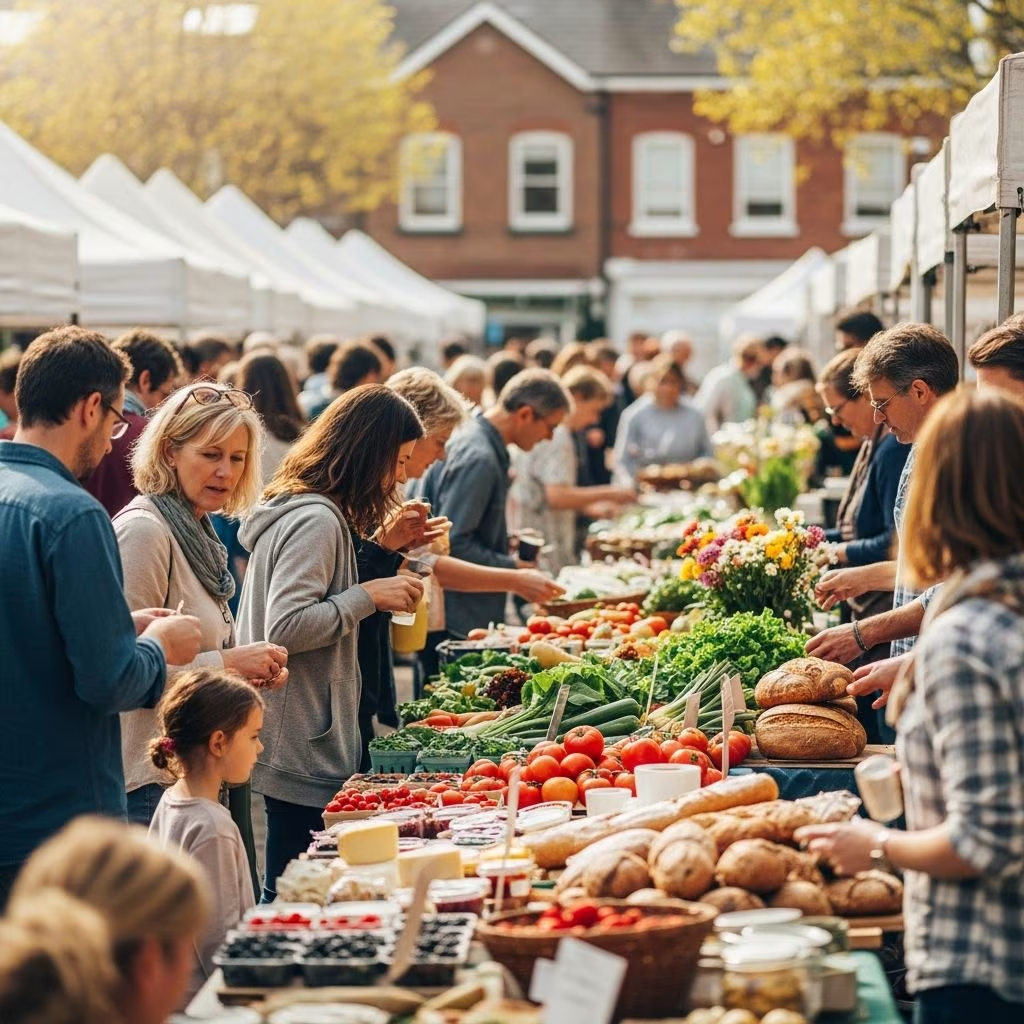
The United States boasts an impressive network of community food markets where local producers connect directly with consumers seeking fresh, high-quality ingredients and artisan products. These vibrant gathering spaces reflect the character of their communities and provide direct economic support to family farmers and small food entrepreneurs. Whether you’re a traveler exploring a new region or a resident seeking local alternatives to conventional grocery shopping, America’s food markets offer authentic culinary experiences and genuine community connections.
Understanding the Landscape of Local Food Markets
Community food markets in America encompass various formats and operational models, each serving distinct purposes within their regions. These establishments range from traditional farmers markets operating on specific days to year-round facilities featuring permanent vendor spaces. The USDA’s Agricultural Marketing Service maintains a comprehensive directory of farmers markets, defining them as venues where multiple agricultural vendors sell products directly to consumers at recurring physical locations.
The diversity of market formats reflects regional preferences and agricultural seasons. Some communities operate seasonal markets during peak harvest months, while others maintain year-round operations with climate-controlled facilities. Indoor markets serve regions with harsh winters, enabling farmers and producers to continue selling throughout the year. This variety ensures that communities across different climates and geographic regions have accessible options for purchasing local food.
Regional Variations in Market Culture
Each region of the United States develops unique market traditions influenced by local agricultural production, cultural demographics, and consumer preferences. Coastal regions often emphasize seafood alongside produce, while agricultural heartland markets feature extensive grain and dairy offerings. Southwestern communities highlight indigenous and Latino-influenced products, whereas northeastern markets showcase apple varieties and cold-climate crops.
- Urban Markets: Large metropolitan areas typically feature multiple weekend markets with 50-200+ vendors, online ordering systems, and delivery options
- Rural Markets: Smaller communities often operate single-day weekly markets with 10-30 vendors offering hyperlocal products
- Seasonal Operations: Many regions follow harvest cycles, operating markets spring through fall with potential winter-season scaled-back versions
- Specialty Markets: Some communities maintain year-round markets focused on specific products like meat, dairy, or ethnic foods
Economic Impact and Community Support
Shopping at local food markets directly benefits regional economies. When consumers purchase from family farmers at markets, the money stays within local communities, supporting independent businesses and strengthening the local economy. This economic circulation differs significantly from conventional retail chains where profits flow to distant corporate headquarters.
Family farmers participating in community markets gain sustainable income streams without intermediaries reducing their earnings. Producers can maintain direct customer relationships, receive immediate feedback on products, and build loyal customer bases. This direct-to-consumer model allows smaller farms that cannot compete with industrial agricultural operations to remain economically viable.
Product Variety and Seasonal Offerings
Community food markets offer extraordinary product diversity that extends far beyond basic produce. Vendors typically include:
- Fresh vegetables and fruits reflecting seasonal availability
- Dairy products including cheese, yogurt, and milk
- Meat and poultry from local farms
- Artisan breads and baked goods
- Honey, jams, and preserved items
- Locally-made pasta and sauces
- Prepared foods and ready-to-eat items
- Flowers and plant starts
- Craft beverages including locally-made sodas and kombucha
Many markets feature vendor demonstrations where chefs and producers showcase preparation methods and recipe ideas, allowing customers to sample products directly. These educational components transform shopping into engaging community experiences.
Navigating Market Resources and Directories
The USDA’s Local Food Directory provides comprehensive listings of farmers markets nationwide, including locations, operating times, product offerings, and accepted payment methods. This official resource serves as the primary reference for consumers seeking verified market information.
Beyond the USDA directory, multiple resources help consumers locate local food options including Local Harvest, Slow Food USA directories, and regional state-specific guides organized by agricultural networks. Many states maintain their own directories highlighting farmers markets, CSA programs, and direct-sale farms.
Technology increasingly facilitates market access. Several communities have implemented online ordering systems allowing customers to browse vendor offerings, place orders in advance, and arrange curbside pickup or delivery. This innovation particularly benefits individuals unable to visit markets in person or preferring pre-planned shopping experiences.
Market Experience and Atmosphere
The atmosphere at community food markets reflects regional character and vendor personalities. Bustling urban markets create energetic social environments with food trucks, live music, and crowds browsing hundreds of vendor stalls. Rural markets often emphasize conversation and relationship-building between farmers and regular customers. Year-round covered markets provide community gathering spaces where shoppers encounter neighbors and build social connections alongside purchasing food.
Many markets host special events including seasonal celebrations, cooking demonstrations, live music performances, and children’s activities. These programming elements extend market functions beyond commerce, establishing markets as legitimate community gathering spaces that strengthen social fabric.
Practical Shopping Tips for Market Visitors
- Arrive Early: The best selection typically appears during morning hours before popular items sell out
- Bring Cash: Many vendors, particularly at smaller markets, may not accept cards or digital payments
- Ask About Seasonal Availability: Farmers can recommend vegetables at peak ripeness and provide storage suggestions
- Understand Pricing: Direct-from-farmer pricing often reflects production costs more accurately than conventional retail, with premium prices indicating higher quality standards
- Build Relationships: Regular customers often receive special attention, advance notice of rare items, and personalized recommendations
- Plan Menus Around Availability: Rather than seeking specific items, successful market shoppers build meal plans using available seasonal produce
Market Payment and Accessibility Options
Modern food markets accommodate diverse payment preferences and accessibility needs. While cash remains common at smaller venues, most established markets accept credit cards, digital payment systems, and SNAP benefits (food stamps). Many markets have implemented alternative sales options including online ordering with curbside pickup, delivery services, and CSA-style programs making local food accessible to people unable to visit markets in person.
Accessibility considerations increasingly shape market design. Wheelchair-accessible paths, covered seating areas, restrooms, and vendor stalls at appropriate heights accommodate elderly shoppers, people with disabilities, and those managing health conditions limiting outdoor time.
Seasonal Rhythm and Annual Planning
Community food markets operate within seasonal rhythms reflecting agricultural production patterns. Spring markets focus on leafy greens, asparagus, and early season crops. Summer brings berries, stone fruits, and diverse vegetables reaching peak abundance. Fall emphasizes squash, apples, root vegetables, and preservation items. Winter markets, where they operate, feature storage crops, preserved goods, dairy, and meat products.
Understanding these seasonal patterns helps shoppers plan menus economically. Purchasing produce during peak seasons ensures better prices, superior freshness, and supports farmers during their peak productive periods. Off-season purchases of preserved items like jams and canned goods extend seasonal flavors throughout the year.
Supporting Local Agriculture Through Market Shopping
Choosing to shop at community food markets constitutes a deliberate decision to support local agriculture and sustainable food systems. Each purchase votes economically for farming practices, business models, and community values reflected in participating vendors’ operations. Market shopping connects abstract sustainability concepts to concrete purchasing behaviors with measurable community impacts.
Many market farmers employ sustainable agricultural practices including organic production, crop diversity, and soil conservation. By supporting these farms, market shoppers reinforce market demand for environmentally responsible food production, potentially influencing conventional agricultural practices across regions.
Finding Your Local Market
Discovering quality community food markets in your region requires minimal effort thanks to comprehensive online directories. Begin with the USDA’s official farmers market directory, which provides searchable locations with detailed vendor and operational information. State agricultural departments maintain additional regional resources tailored to specific state markets and local food initiatives.
Social media platforms increasingly feature local food market communities where shoppers share vendor recommendations, seasonal finds, and market experiences. These informal networks provide insider knowledge about hidden gems and emerging vendors beyond official directories.
FAQ
What times do most farmers markets operate?
Most community farmers markets operate once or twice weekly, typically on weekends (Saturday and Sunday mornings being most common). Operating hours typically begin early morning (7-8 AM) and continue through mid-afternoon (1-3 PM), though specific times vary by market and season.
Do farmers markets accept SNAP benefits?
Yes, the vast majority of established farmers markets accept SNAP benefits (food stamps), with many offering incentive programs that match SNAP spending to increase purchasing power for eligible shoppers.
Can I order from farmers markets online?
Increasingly yes. Many established markets, particularly urban venues and year-round facilities, offer online ordering with curbside pickup or delivery options, though availability varies by individual market.
What if I’m allergic to certain foods or follow specific diets?
Farmers market vendors typically have detailed knowledge of their products’ growing and preparation methods, making them excellent resources for understanding ingredients, cross-contamination risks, and sourcing information relevant to dietary restrictions.
Are farmers market prices higher than grocery stores?
While some items cost more than conventional retail, many produce items cost comparably or less. Premium pricing typically reflects superior quality, freshness, and production methods rather than excessive markups.
References
- Our favorite local food markets in the US — Lonely Planet. Accessed April 2026. https://www.lonelyplanet.com/articles/local-food-markets-usa
- Local Food Directories: National Farmers Market Directory — USDA Agricultural Marketing Service. Last updated 2025. https://www.ams.usda.gov/local-food-directories/farmersmarkets
- National Guide to Finding Local Food — Sustainable Agriculture Network. Last updated 2025. https://sustainableagriculture.net/blog/national-guide-to-finding-local-food/
- Find Good Food from Local Family Farmers — Farm Aid. Accessed April 2026. https://www.farmaid.org/find-good-food-from-family-farmers/
On This Page
Understanding the Landscape of Local Food Markets Regional Variations in Market Culture Economic Impact and Community Support Product Variety and Seasonal Offerings Navigating Market Resources and Directories Market Experience and Atmosphere Practical Shopping Tips for Market Visitors Market Payment and Accessibility Options Seasonal Rhythm and Annual Planning Supporting Local Agriculture Through Market Shopping Finding Your Local Market FAQ← Previous
Grocery Shopping in France: Supermarkets, Markets & Local Tips
Next →
French Grocery Shopping Guide: Stores, Costs & Local Tips
Related Reading
More in Food & Culture
Food & Culture Food & Culture
 Food & Culture
Best Places to Eat in Rome: Neighborhood Dining Guide
 Food & Culture
 Food & Culture