

 Travel Essentials
 Travel Essentials

Explore Comoros' pristine islands: turquoise waters, rare wildlife, volcanic hikes, and authentic traditions await adventurous travelers seeking solitude.
 Travel Essentials
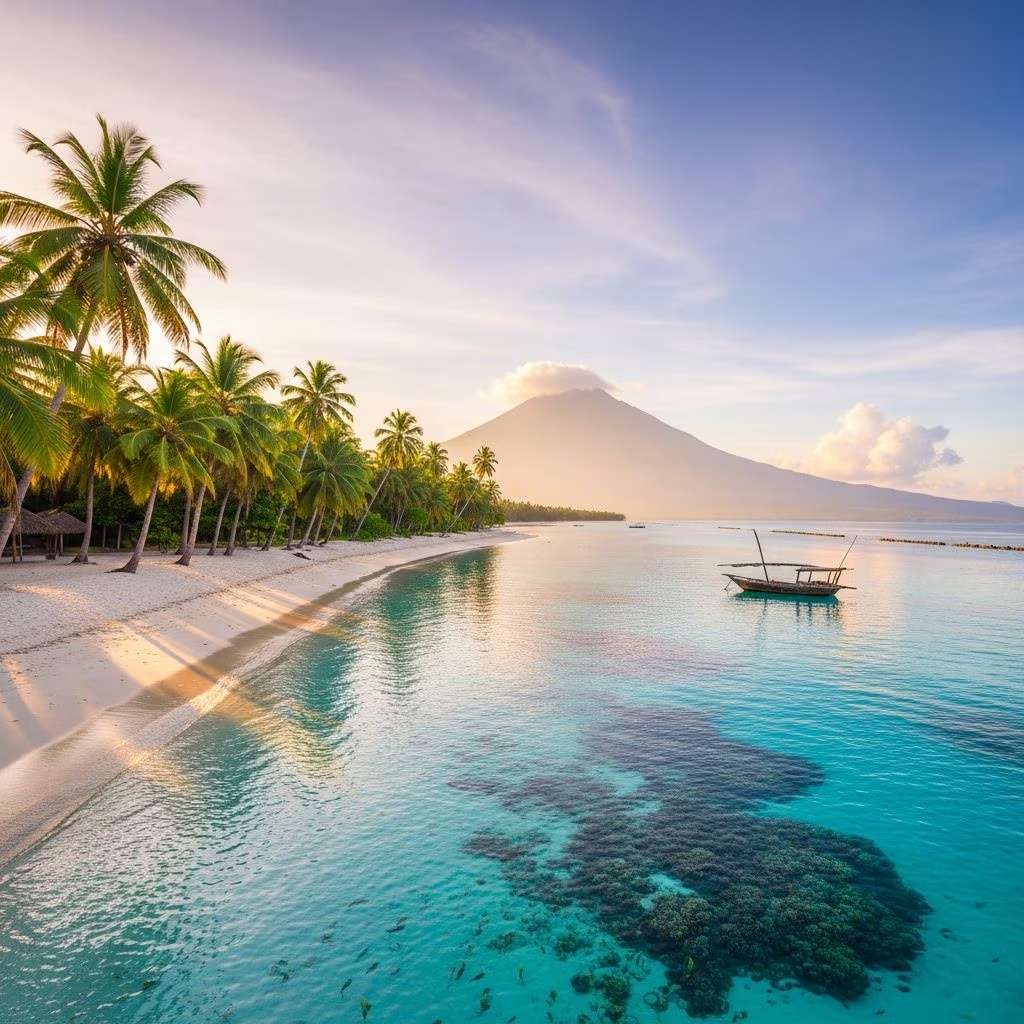
Nestled in the warm embrace of the Indian Ocean, the Comoros archipelago offers a rare blend of natural splendor and cultural depth that remains largely untouched by mass tourism. With temperatures consistently between 20°C and 30°C, swaying palm trees, and crystal-clear turquoise seas, these islands rival more famous destinations like Mauritius and Seychelles but welcome only about 3,000 visitors annually. This seclusion makes Comoros an ideal escape for those craving authentic adventures amid volcanic landscapes, biodiverse forests, and vibrant local traditions.
The Union of the Comoros comprises three main islands—Grande Comore (Ngazidja), Anjouan (Nzwani), and Mohéli (Mwali)—plus several smaller islets, forming a volcanic chain between Mozambique and Madagascar. Grande Comore dominates with its active Mount Karthala, an 2,361-meter peak that shapes the island’s dramatic terrain of lava fields and crater lakes. Anjouan features rugged cliffs and terraced hillsides, while Mohéli stands out for its lush greenery and protected marine areas.
The tropical climate ensures balmy days throughout the year, with a dry season from May to October ideal for outdoor pursuits and a wetter period from November to April bringing lush vegetation but occasional rains. Trade winds keep humidity manageable, and the consistent warmth supports a thriving ecosystem of coral reefs and endemic species.
The largest island, Grande Comore, captivates with its raw geology. Hiking to Mount Karthala’s summit rewards trekkers with sweeping vistas of steaming craters and the ocean beyond. The northern coast boasts rocky shores interspersed with powdery white-sand beaches, perfect for unwinding. Moroni, the bustling capital, serves as a gateway with its markets overflowing with spices and fresh seafood.
Anjouan offers a verdense interior dotted with crater lakes and traditional villages clinging to steep slopes. Spice plantations, especially ylang-ylang, perfume the air—Comoros produces much of the world’s supply for luxury perfumes. Visitors can wander these aromatic fields, learning about harvesting techniques from local farmers.
The smallest and greenest island, Mohéli exudes tranquility with its palm-fringed beaches and dense forests. It’s a haven for nature enthusiasts, home to the Livingstone’s fruit bat, one of the world’s largest bat species, viewable via guided treks organized by local NGOs like Dahari. Its unspoiled vibe makes it the crown jewel for relaxed exploration.
Comoros brims with biodiversity unique to this volcanic hotspot. Mohéli Marine Park, encompassing much of the island’s coastline, protects sea turtles, humpback whales, and vibrant coral reefs. Snorkelers often spot nesting turtles or hatchlings scrambling to the sea, a near-guaranteed thrill.
For hikers, Mount Karthala’s multi-day ascent combines physical challenge with ecological immersion, passing through cloud forests teeming with rare flora.
Comoros’ culture weaves African, Arab, Malagasy, and French influences into a colorful tapestry. Islam shapes daily rhythms, with calls to prayer echoing from minarets. The Grand Mariage, an extravagant wedding ceremony lasting up to two weeks, showcases community spirit through feasts, music, dances, and opulent attire—a display of status and hospitality.
Markets buzz with activity, offering vanilla, cloves, and ylang-ylang alongside handmade crafts. Visitors can join cooking classes to master dishes like langouste grillé (grilled lobster) or mkatra (banana beignet). Respectful interactions with locals reveal a warm, welcoming society proud of its heritage.
| Activity | Island | Duration | Highlights |
|---|---|---|---|
| Volcano Hike | Grande Comore | 1-2 days | Crater views, lava tubes |
| Snorkeling/Diving | Mohéli | Half-day | Turtles, reefs, whales |
| Spice Plantation Tour | Anjouan | Full day | Ylang-ylang distillation |
| Bat Trek | Mohéli/Anjouan | 3-4 hours | Endemic colonies |
| Beach Relaxation | All | Flexible | Pristine sands, swimming |
Local operators and the tourism office (+269 333 82 13) arrange guides for these excursions, ensuring safe, insightful experiences. Inter-island flights connect the trio efficiently, though ferries offer scenic alternatives for the patient traveler.
Options range from simple guesthouses to intimate eco-lodges. On Mohéli, beachfront spots like those near Nioumachoua provide bungalows amid papaya groves and ylang-ylang trees, blending luxury with nature. Grande Comore offers mid-range hotels in Moroni, while Anjouan has family-run pensions overlooking the sea. Budget travelers find clean, affordable stays emphasizing Comorian hospitality.
Yes, with low crime rates and friendly locals, though standard precautions apply in urban areas like Moroni.
All three for variety: Grande Comore for volcanoes, Anjouan for culture, Mohéli for beaches and wildlife.
Affordable—expect $50-100/day including lodging, food, and activities, far below regional averages.
Absolutely; turtles and fruit bats are highlights, accessible via guided tours.
French and Arabic/Shikomor dominate; basic phrases help, guides speak English.
In an era of overcrowded hotspots, Comoros delivers solitude amid postcard perfection. Its emerging tourism infrastructure promises growth, but the intimate appeal endures. Whether scaling volcanoes, diving with turtles, or savoring spice-scented air, these islands offer profound, crowd-free rejuvenation.
