


 Food & Culture
Food & Culture
Cook Islands Food Guide: Traditional Dishes, Seafood and Island Dining
Explore Cook Islands cuisine blending Polynesian traditions with fresh seafood and tropical ingredients. Learn about iconic dishes, local markets, and authentic dining experiences.
 Food & Culture
The culinary landscape of the Cook Islands represents a fascinating intersection of indigenous Polynesian traditions and contemporary Pacific influences. Situated in the heart of the South Pacific, these islands have developed a distinctive food culture shaped by abundant maritime resources, fertile volcanic soils, and centuries of cultural exchange. The food found on Cook Islands tables tells stories of resourcefulness, community, and deep respect for the land and ocean that sustains the local population.
The Foundation of Island Cooking: Core Ingredients and Methods
Cook Islands cuisine relies on a carefully curated collection of ingredients that thrive in the tropical climate and are harvested from both land and sea. Coconut stands as the undisputed foundation of the islands’ culinary identity, appearing in countless forms throughout traditional dishes—from fresh meat to rich cream to grated shavings for garnish. The versatility of coconut allows cooks to create layered, complex flavors that define the region’s taste profile.
Beyond coconut, the islands produce an abundance of starchy vegetables that provide substance and nutrition to daily meals. Taro, a root vegetable with earthy undertones, appears both as leaves and tubers in regional preparations. Similarly, cassava and arrowroot supply carbohydrates and thickening agents essential to traditional cooking techniques. These ingredients, combined with locally grown bananas, demonstrate how island communities have adapted their diets to regional agricultural capabilities.
The surrounding waters provide the most celebrated ingredient category. Fresh fish, including yellowfin tuna, mahi-mahi, wahoo, marlin, and flying fish, supply protein and moisture to countless preparations. Local fishermen maintain sustainable harvesting practices, ensuring that seafood remains both abundant and fresh for restaurant kitchens and home cooks alike.
Traditional preparation methods emphasize simplicity and efficiency. The umu, an underground oven constructed from volcanic rocks and heated by natural fire, represents the most iconic cooking technique. Meats and vegetables wrapped in banana leaves spend hours in these earthen ovens, developing smoky, tender textures impossible to replicate through modern cooking methods. This communal approach to food preparation reinforces the cultural importance of shared meals and collective celebration.
Iconic Dishes That Define Island Identity
Ika Mata: The National Treasure
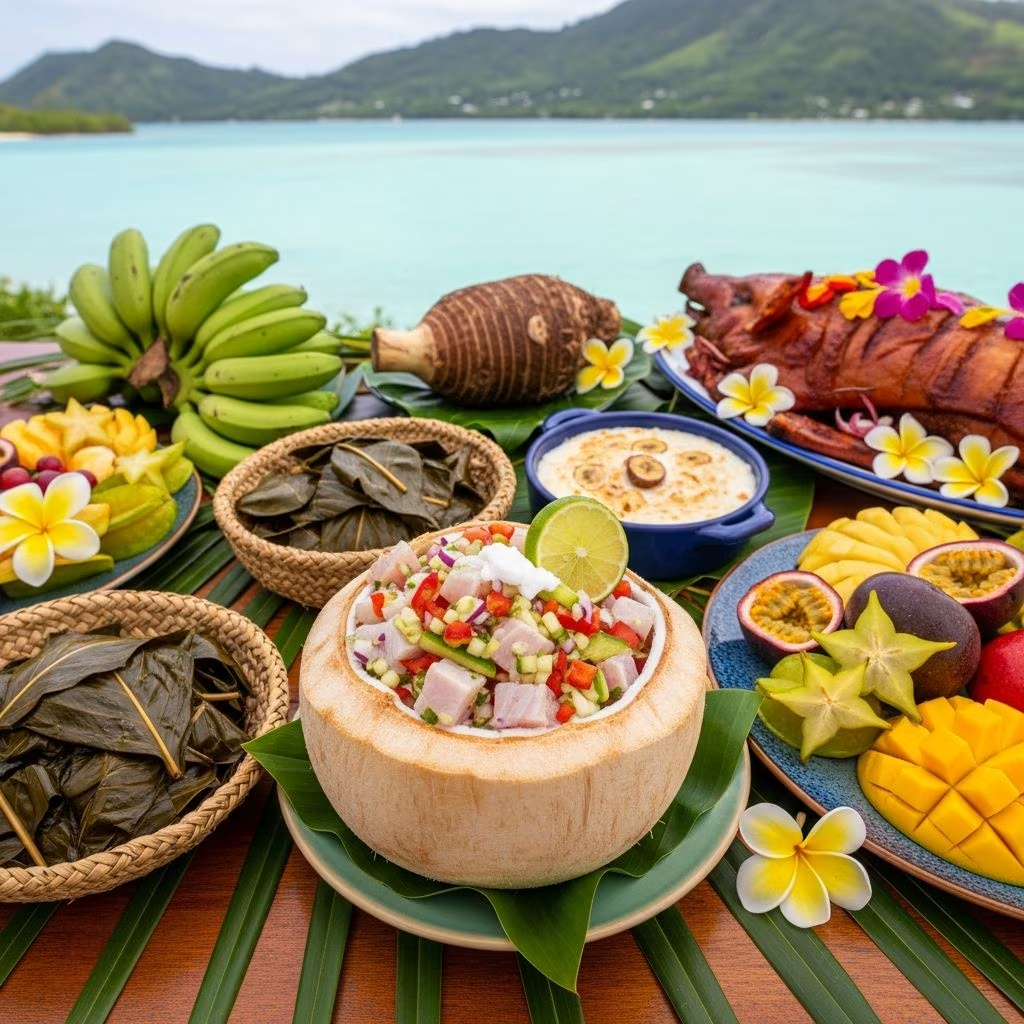
No exploration of Cook Islands cuisine can proceed without acknowledging ika mata, widely recognized as the islands’ national dish and a cornerstone of Polynesian food culture. This refreshing preparation features raw fish—traditionally flying fish, though tuna and snapper frequently substitute—marinated in lime juice and combined with coconut cream. The raw fish is typically mixed with finely diced vegetables, creating a bright, refreshing salad that captures the essence of island living.
What distinguishes ika mata from similar preparations found throughout the Pacific is its unique flavor profile: the citrus provides sharp acidity, the coconut cream adds richness, and the fresh vegetables contribute textural contrast. Often served in hollowed coconut shells, ika mata functions as both a practical lunch solution during hot tropical days and an elegant representation of island sophistication. The dish demonstrates how minimal intervention and maximum respect for ingredient quality can produce extraordinary results.
Rukau: Nutrient-Dense Comfort
Rukau consists of taro leaves cooked in coconut cream with caramelized onions, representing one of the most nutritious dishes in the islands’ culinary repertoire. The preparation requires multiple cooking cycles—traditionally three—to eliminate the prickly texture of raw taro leaves while preserving their nutritional value. The resulting dish achieves a silky consistency, with natural earthiness balanced by sweet onion notes and rich coconut undertones.
While fundamentally vegetarian, some contemporary restaurants supplement rukau with corned beef, creating hybrid preparations that appeal to diverse palates. Whether served as a standalone dish or as an accompaniment to grilled proteins, rukau embodies the simplicity and nutritional wisdom embedded in traditional island cooking.
Umukai: Celebration Through Shared Feasting
The umukai feast represents more than a cooking method—it symbolizes community values and celebratory spirit central to Cook Islands culture. This elaborate preparation involves wrapping seasoned meats and vegetables in banana leaves, then burying the packages in shallow ground ovens for extended cooking periods. The resulting dishes emerge infused with smoky complexity, tender throughout, and deeply flavorful.
Umukai preparation remains popular during island celebrations, weddings, and community gatherings, where multiple families contribute dishes and share in the communal meal. The practice reinforces bonds between generations and maintains cultural continuity in an increasingly globalized world.
Seafood Preparations and Ocean Bounty
The waters surrounding the Cook Islands teem with marine life, creating abundant opportunities for fresh seafood dining. Grilled fish represents the most straightforward approach to preparation, allowing the natural sweetness of fresh catches to shine without heavy sauces or complex techniques. Maroro (flying fish), tuna steaks, mahi-mahi, and snapper all appear regularly on local menus, typically accompanied by cassava or rukau.
Eke takare, a curried octopus preparation, showcases how island cooks adapt international techniques to local ingredients. Tender octopus meat is curried in coconut milk with fragrant spices and herbs, creating a sophisticated dish that bridges traditional and contemporary culinary approaches.
Along beachside establishments, fish sandwiches provide casual lunch options featuring yellowfin tuna, mahi-mahi, wahoo, or marlin on bread, often with minimal accompaniments beyond fresh condiments. These humble preparations demonstrate that excellence doesn’t require complexity—merely quality ingredients and respectful treatment.
Rori, also known as sea cucumber, represents a more adventurous protein choice. Prepared with garlic, onions, butter, and herbs, this ingredient develops a distinctive salty-sweet flavor profile. Some locals prefer consuming rori raw, enjoying its natural briny qualities. Particularly prevalent in Rarotonga, where shallow island waters support abundant sea cucumber populations, rori represents genuine local cuisine rarely encountered outside the islands.
Sweet Conclusions: Desserts and Treats
Island desserts showcase tropical abundance and creative adaptations of simple ingredients. Banana poke, the most celebrated sweet preparation, transforms overripe bananas through boiling and combination with coconut cream, arrowroot, and generous quantities of sugar. The resulting creamy, comforting dish achieves nostalgic warmth despite tropical ingredients. Alternative poke variations incorporate pawpaw or pumpkin, demonstrating how the basic formula adapts to seasonal availability and regional preference.
The Aitutaki Snowball, famous throughout the second-largest island in the archipelago, offers a simpler approach to tropical desserts. Vanilla ice cream scoops are rolled in fresh coconut shavings, creating a cool, textured treat perfect for hot island days.
Freshly baked coconut buns, similar to Samoan pani popo, provide morning delicacies when still warm and fragrant. These sweet coconut-studded pastries accompany coffee perfectly, representing accessible indulgence at local markets.
Fresh Tropical Fruits: Nature’s Candy
Beyond prepared dishes, the islands produce extraordinary fresh fruit year-round. Mangoes, coconuts, pineapples, passionfruit, pawpaw, and soursop represent common varieties available at local markets or through resort offerings. Many visitors enjoy picking fruit directly from trees when opportunities present themselves, adding memorable sensory experiences to their culinary exploration. Real fruit ice creams featuring local varieties like soursop and passionfruit provide refreshing alternatives to standard frozen desserts.
Where and How to Experience Island Cuisine
Local Markets and Authentic Experiences
The Punanga Nui Market stands as the primary destination for experiencing authentic Cook Islands cuisine. This bustling marketplace showcases traditional dishes prepared by local vendors, fresh produce, and prepared foods representing genuine island preferences rather than tourist modifications. Market visits offer opportunities to observe daily food culture, interact with local cooks, and sample preparations rarely encountered in formal restaurant settings.
Progressive dining tours, where visitors consume successive courses at different local homes, provide intimate glimpses into how ordinary island families prepare and share meals. These experiences emphasize the communal nature of Cook Islands food culture, demonstrating how cooking and eating function as social bonding activities rather than mere sustenance.
Restaurant Dining and Contemporary Expressions
Modern restaurants throughout the islands balance traditional recipes with contemporary presentation and comfort standards expected by international visitors. Establishments like Sandals Restaurant & Barefoot Bar, Takitumu Tapas & Takeaways, and Little Polynesian Restaurant offer diverse approaches to island cuisine, from casual beachside settings to refined dining experiences.
Casual options like Vili’s Burgers and The Pacific Fish and Chip Shop provide accessible entry points for those seeking quick, flavorful meals without significant expense or time investment.
Essential Information for Culinary Travelers
Dining Considerations
- Seasonal variation: Tropical fruit availability fluctuates with seasons, affecting which specific fruits and desserts appear on menus
- Freshness standards: Most establishments source seafood daily from local fishermen, ensuring exceptional quality and sustainability
- Dietary accommodations: Traditional cuisine features abundant vegetable dishes, making the islands accessible for plant-based dietary preferences
- Price ranges: Casual beach dining offers affordable options ($5-10 USD), while fine dining establishments command premium prices
- Hours and availability: Many casual eateries operate limited hours; advance inquiry prevents disappointment
Recommended Tasting Progression
| Meal Type | Signature Dish | Best Time | Typical Price Range |
|---|---|---|---|
| Breakfast | Coconut buns with coffee | Early morning at markets | $3-5 |
| Lunch | Ika mata or fish sandwich | Midday | $8-15 |
| Dinner | Grilled fish or umukai feast | Evening | $15-35 |
| Dessert | Banana poke or Aitutaki Snowball | After meals | $5-8 |
Understanding Food Culture and Etiquette
Cook Islands food culture emphasizes sharing, community, and gratitude for abundant resources. Meals function as social events where family and friends gather to strengthen bonds and share stories. When dining at local establishments or accepting invitations to residential meals, approaching food with genuine appreciation and willingness to try unfamiliar preparations demonstrates respect for host traditions.
The islands’ approach to sustainability and resource stewardship deserves recognition. By supporting local fishermen, purchasing from markets selling island-grown produce, and choosing restaurants emphasizing local ingredients, visitors contribute to the preservation of traditional foodways and sustainable economic practices.
Frequently Asked Questions
Is ika mata safe to eat for visitors unaccustomed to raw fish preparations?
Reputable establishments prepare ika mata with fresh, high-quality fish sourced daily from local fishermen. The citric acid in lime juice provides preservation properties. However, visitors with sensitive digestive systems or seafood allergies should exercise caution and consult restaurant staff regarding ingredient sourcing and preparation practices.
What vegetarian and vegan options exist in traditional Cook Islands cuisine?
Rukau, taro root preparations, cassava dishes, and fresh fruit represent naturally plant-based options. Many restaurants accommodate contemporary dietary preferences by adapting traditional recipes or offering vegetable-focused variations of classic dishes.
Can visitors participate in traditional cooking methods like umu preparation?
Some resorts and cultural experiences offer guided participation in traditional cooking methods, allowing visitors to observe and assist in umu preparation. These experiences typically require advance booking through resort concierge services or tourism organizations.
What beverages pair traditionally with island meals?
Fresh fruit juices, coconut water, and locally brewed beverages accompany traditional meals. Contemporary dining often features imported wines and craft beverages alongside traditional options.
Conclusion: Food as Cultural Expression
Cook Islands cuisine transcends mere nutrition, functioning as a living expression of cultural values, environmental wisdom, and community bonds. Each dish carries history, celebrates seasonal abundance, and reinforces connections between land, ocean, and people. For travelers seeking authentic cultural immersion, engaging with local food traditions provides profound insights into island life, traditions, and the fundamental human need to gather around shared meals.
References
- Food & Drink – Cook Islands — Goway Travel. Accessed April 2026. https://www.goway.com/destinations/south-pacific/cook-islands/food-and-drink
- Dining in the Cook Islands: Food, Culture, and Island Night Experiences — Spacifica Travel. Accessed April 2026. https://spacificatravel.com/post/dining-in-the-cook-islands-food-culture-and-island-night-experiences__471
- 12 Must-try Cook Islands Foods — Entire Travel Group. Accessed April 2026. https://www.entiretravel.com.au/articles/cook-islands-cuisine-must-try-cook-islands-foods
- What to eat in the Cook Islands — Intrepid Travel US. Accessed April 2026. https://www.intrepidtravel.com/us/cook-islands/cook-islands-food
- Cook Islands Food Tour: Where to eat in Rarotonga — Chasing a Plate. YouTube. Accessed April 2026. https://www.youtube.com/watch?v=3DWd7cyxY4k
On This Page
The Foundation of Island Cooking: Core Ingredients and Methods Iconic Dishes That Define Island Identity Seafood Preparations and Ocean Bounty Sweet Conclusions: Desserts and Treats Fresh Tropical Fruits: Nature's Candy Where and How to Experience Island Cuisine Essential Information for Culinary Travelers Understanding Food Culture and Etiquette Frequently Asked Questions Conclusion: Food as Cultural Expression← Previous
Best Delaware Beaches: Top Coastal Towns, Tips & Travel Guide
Next →
Best Time to Visit Playa del Carmen: Weather, Seasons & Tips
Related Reading
More in Food & Culture
Food & Culture Food & Culture
 Food & Culture
Best Places to Eat in Rome: Neighborhood Dining Guide
 Food & Culture
 Food & Culture