

 Travel Essentials
 Travel Essentials

Explore the best of the Cook Islands: from Rarotonga's vibrant trails and beaches to Aitutaki's stunning lagoons, with tips on islands, activities, and practical travel advice.
 Travel Essentials
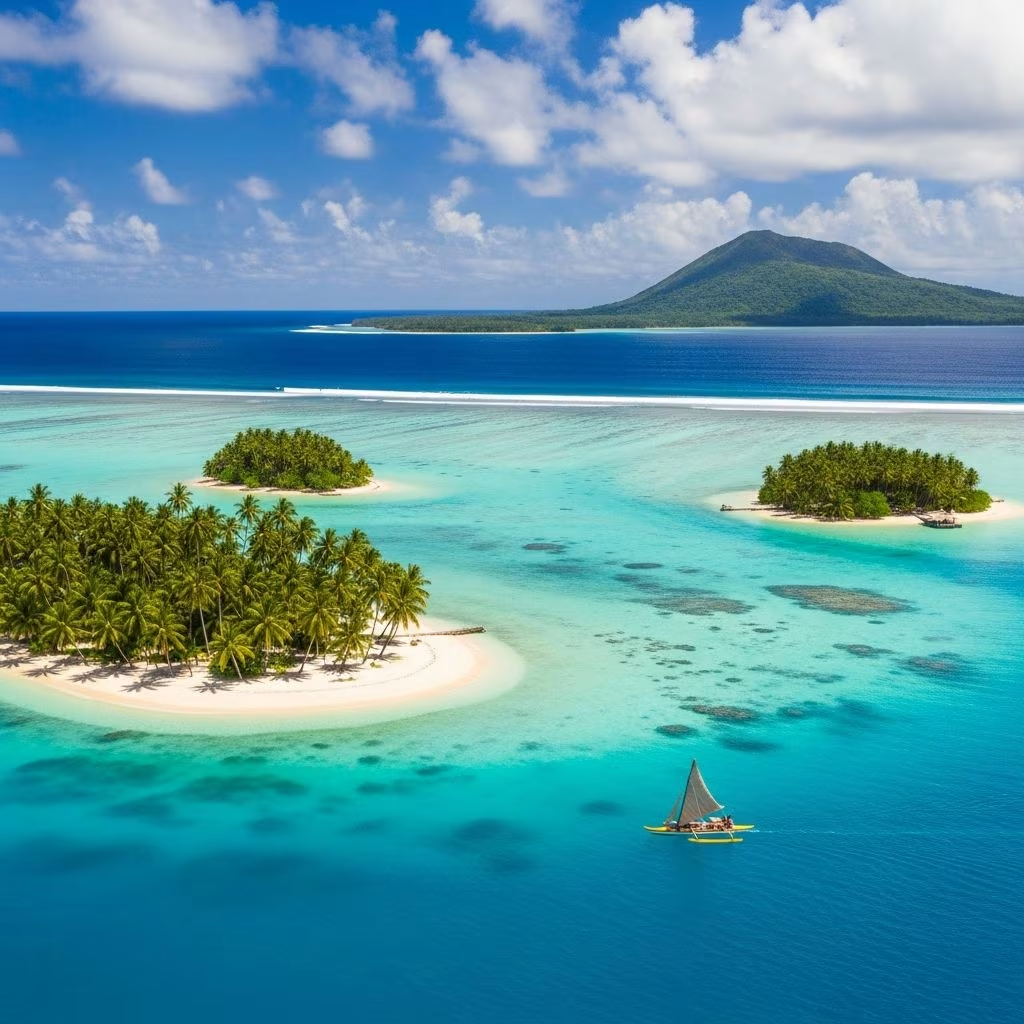
The Cook Islands, a scattered archipelago in the heart of Polynesia, offer a rare blend of untouched natural beauty and genuine local hospitality. Home to just 15,000 residents, these 15 islands boast crystal-clear lagoons, vibrant coral reefs, and rainforests teeming with life, making them an ideal destination for travelers seeking serenity away from crowded tourist spots.
Nestled in the South Pacific, the Cook Islands stand out for their unspoiled landscapes and low-key vibe. Unlike more commercialized destinations, visitors here can immerse themselves in wide-open beaches and interact easily with the welcoming Māori communities. The islands feature isolated shores, cascading waterfalls, mysterious caves, and unique bird species, providing endless opportunities for exploration. Rarotonga, the largest island, serves as the bustling hub, while smaller gems like Aitutaki deliver postcard-perfect lagoons that rival any in the world.
With a population density that keeps things intimate, the Cook Islands feel like a private retreat. Expect barefoot luxury, where Wi-Fi signals fade into the background, encouraging disconnection and reconnection with nature. Whether you’re hiking through jungles, snorkeling in turquoise waters, or savoring fresh seafood, every moment feels authentic and rejuvenating.
Rarotonga, the main entry point, combines rugged mountains, pristine beaches, and a lively local scene. Its tallest peak offers panoramic views accessible via thrilling jeep tours that wind through tropical jungles and past hidden waterfalls. Operators like Raro Mountain Safari Tours provide guided excursions to these high points, blending adrenaline with stunning scenery.
Beaches here are diverse: daytime swims at tranquil spots give way to legendary sunsets at Black Rock Beach, a prime location for watching the day fade into night. For water lovers, glass-bottom boat tours from Koka Lagoon Tours reveal the island’s clearest waters and vibrant marine life, perfect for snorkeling without venturing far.
Hiking enthusiasts will love the cross-island treks that cut through dense foliage, offering glimpses of rare birds and freshwater streams. Rent a scooter to zip around the 32km coastal road, stopping at roadside stands for fresh coconut water or Māori craft markets.
Aitutaki steals the spotlight with its mind-blowing lagoon, often described as one of the world’s most beautiful. This small, lush island prioritizes relaxation over bustle, with limited dining but ample natural wonders. Splurge on a beachfront resort like Pacific Resort Aitutaki for poolside lounging and endless tropical drinks.
A must-do is a boat excursion to the motus (islets) encircling the lagoon. One Foot Island stands out, featuring powdery sands and a quirky post office for passport stamps—pair it with a cold beer for the full experience. Private charters via Wet and Wild Aitutaki ensure personalized access to these secluded spots.
Adventure seekers can try kite surfing on windswept honeymoon island, where daily boats cater to beginners and pros alike. For a quieter thrill, hike to the atoll’s highest point; the steep 5-minute ascent rewards with sweeping sunset vistas, though bug spray is essential.
While Rarotonga and Aitutaki draw most visitors, the outer islands offer unique draws. Atiu blends coffee plantations, clucking chickens, and ancient caves for an offbeat adventure. Mangaia, potentially Earth’s oldest island, evokes prehistoric times with its dramatic cliffs and taro fields.
Manihiki, remote in the northern group, specializes in black pearl farming, providing a glimpse into sustainable luxury amid atoll isolation. These lesser-visited spots reward intrepid travelers with authentic cultural exchanges and untouched ecosystems.
A week suffices for essentials: base in Rarotonga for hikes and beaches, then fly domestically to Aitutaki for lagoon immersion. Extend to two weeks for outer islands. Budget travelers note dorms from $20/night on Rarotonga, with bus rides at $5 or $25 for ten. Self-catering villas allow market shopping for fresh produce at Punanga Nui, keeping costs down amid pricey imports.
| Island | Stay Duration | Top Activity | Transport |
|---|---|---|---|
| Rarotonga | 4 days | Jeep tour & sunset | Scooter/Bus |
| Aitutaki | 3 days | Lagoon boat tour | Flight |
| Outer Islands | 2-7 days | Cave exploration | Ferry/Flight |
May to October brings dry, low-humidity conditions ideal for outdoor pursuits. November to April is warmer and wetter, with brief showers often followed by clear skies, though cyclone season peaks December-January—monitor forecasts as impacts vary. Pack light layers, reef-safe sunscreen, and insect repellent year-round.
Engage with Māori traditions through village visits, church services, or drum shows. Markets brim with handmade pareus (wraps) and pearl jewelry. Respect customs: remove hats in homes, ask before photographing people, and embrace the communal ‘kia orana’ greeting. Fresh fish barbecues and tropical fruits define the cuisine—try ika mata (marinated fish) for a local staple.
A week covers Rarotonga and Aitutaki; two weeks allow outer island hopping.
Yes, with hostels at $20/night and self-catering options; imports raise some costs.
No camping allowed; opt for hostels or bungalows instead.
Yes, alongside Cook Islands Māori; communication is straightforward.
Glass-bottom boat tours and beach days suit all ages.
Tread lightly: use reef-safe products, support local businesses, and avoid single-use plastics. Many resorts emphasize eco-practices, preserving the islands’ fragile ecosystems for future generations.
