

 Travel Essentials
 Travel Essentials

Explore Copenhagen's battle against overtourism: rising visitor numbers strain the city, prompting sustainable tourism initiatives, dispersal efforts, and debates over taxes.
 Travel Essentials
Copenhagen, Denmark’s vibrant capital, has become one of Europe’s hottest travel destinations, drawing millions annually with its bike-friendly streets, iconic canals, and hygge lifestyle. However, this popularity has triggered overtourism issues, where excessive visitors strain infrastructure, public spaces, and resident quality of life. An EU report identifies Copenhagen among 105 European areas suffering from overtourism, highlighting the urgency for balanced growth.
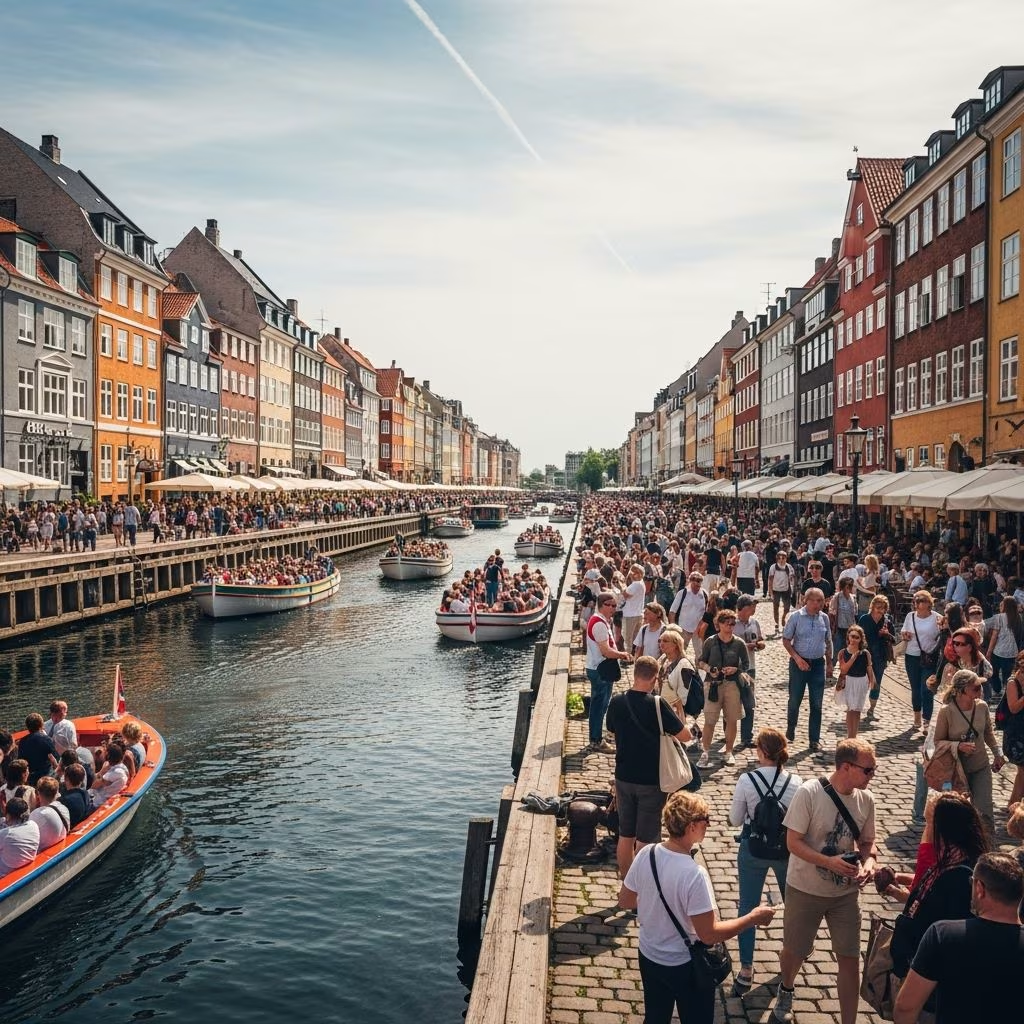
Denmark welcomed over 32.5 million tourists in 2023, a 12% increase from 2019 levels, with the first half of 2024 alone seeing more than 25 million arrivals—a new record. Copenhagen captures the lion’s share, particularly its historic core. Approximately 87% of visitors cluster in the inner city, focusing on landmarks like the picturesque Nyhavn canal district with its colorful 17th-century houses.
This concentration creates bottlenecks. Streets overflow with crowds, public transport faces overload, and popular spots turn into selfie battlegrounds. Local businesses thrive, but residents report rising noise, litter, and traffic disrupting daily routines.
Overtourism manifests in tangible strains. Public spaces feel encroached upon as tourists dominate parks, bridges, and sidewalks. Noise from late-night revelers echoes through neighborhoods, while garbage accumulates faster than collection services can manage. Short-term rentals like Airbnb displace locals, converting residential apartments into vacation pads and inflating housing costs.
Professor Lars Fuglsang of Roskilde University notes that overtourism is subjective: “It’s more that people experience it’s too much”. Yet, objective signs abound—increased waste volumes, elevated traffic emissions, and pressured utilities. Environmentally, the carbon footprint from mass air travel and cruise ships docking frequently adds to Copenhagen’s sustainability goals, challenging its green city image.
Copenhagen isn’t passive. Wonderful Copenhagen, the destination marketing organization, pivots from aggressive promotion to responsible stewardship. They’ve halted marketing Nyhavn as a prime attraction to deter further central clustering and promote peripheral exploration. Claus Bødker, head of the cruise division, emphasizes spreading visits geographically and seasonally: “We are working determinedly to create a greater spread”.
Launched in 2018, the Tourism for Good campaign anchors sustainability in all initiatives. It earned international praise, including from the UN’s World Tourism Organization (UNWTO), for fostering eco-friendly partnerships and mindful travel. Tactics include incentives for off-peak visits and lesser-known sites.
To alleviate core pressure, efforts guide tourists outward. Copenhagen’s metro and train networks connect efficiently to suburbs and nearby towns. Highlights include:
| Area | Why Visit | Accessibility |
|---|---|---|
| Refshaleøen | Street art, breweries, industrial vibes | 15-min bike/metro from center |
| Amager Strandpark | Beaches, lagoons, water sports | Metro line direct |
| Frederiksberg | Gardens, palaces, local cafes | Short cycle ride |
| Roskilde | Viking ships, cathedral, music festival | 30-min train |
These spots offer authentic experiences minus the mobs. Campaigns highlight cycling routes to them, aligning with Denmark’s bike culture—over 62% of Copenhageners commute by bicycle daily.
One proposed fix is a tourist tax, a fee on overnight stays to fund infrastructure and deter excess. While city officials advocate it, the Danish government rejects, citing risks to domestic travelers and overall appeal. Proponents argue it could generate millions for cleanup and green projects; opponents fear price hikes pricing out families.
Comparatively:
| City | Tourist Tax Amount | Revenue Use |
|---|---|---|
| Amsterdam | €3-12/night | Housing, cleaning |
| Barcelona | €0.50-3.50/night | Sustainability |
| Venice | €5/day (day-trippers) | Crowd control |
| Copenhagen | Under debate | TBD |
Copenhagen weighs pros (funding) against cons (accessibility).
Beyond dispersal, Copenhagen champions green practices. The Copenhagen Card bundles unlimited transport and attractions, cutting car use. Bike rentals explode in popularity, with 25,000+ shared bikes citywide.
Cruise management caps ship berths and shuttles passengers directly to outskirts, reducing dock congestion. Hotels adopt zero-waste policies, and eateries push plant-based menus—Denmark leads Europe in vegan options.
Visitor pledges encourage etiquette: no littering, quiet hours, support locals. Apps like Responsible Travel map low-impact routes.
Rather than barriers, Copenhagen invites participation. Interactive campaigns teach hygge—cozy communal living—and local customs. Workshops on foraging, biking tours, and community events blend tourists with residents. This fosters goodwill, turning visitors into advocates for preservation.
With projections of continued growth, Copenhagen refines its model. Balancing economy (tourism contributes 7% GDP) and livability demands agility. Success metrics: reduced central densities, higher suburb visits, resident satisfaction scores.
Lessons for other cities: proactive planning, data-driven decisions, stakeholder buy-in. Copenhagen proves overtourism manageable through collaboration.
A mix of social media buzz, direct flights, and appeal as a sustainable, walkable city draws record crowds, concentrating in the center.
Yes, but go early or off-season. Authorities de-emphasize it to spread crowds.
Unlikely nationally, but local talks persist. Government prioritizes even distribution.
Use public transport, bike, stay off-peak, explore suburbs, minimize waste.
Shoulder seasons (April-May, Sept-Oct) offer mild weather and fewer visitors.
