

 Travel Essentials
 Travel Essentials

Discover essential packing strategies for Costa Rica travel, including clothing, gear, and items tailored for rainforest hikes, beach visits, and mountain adventures.
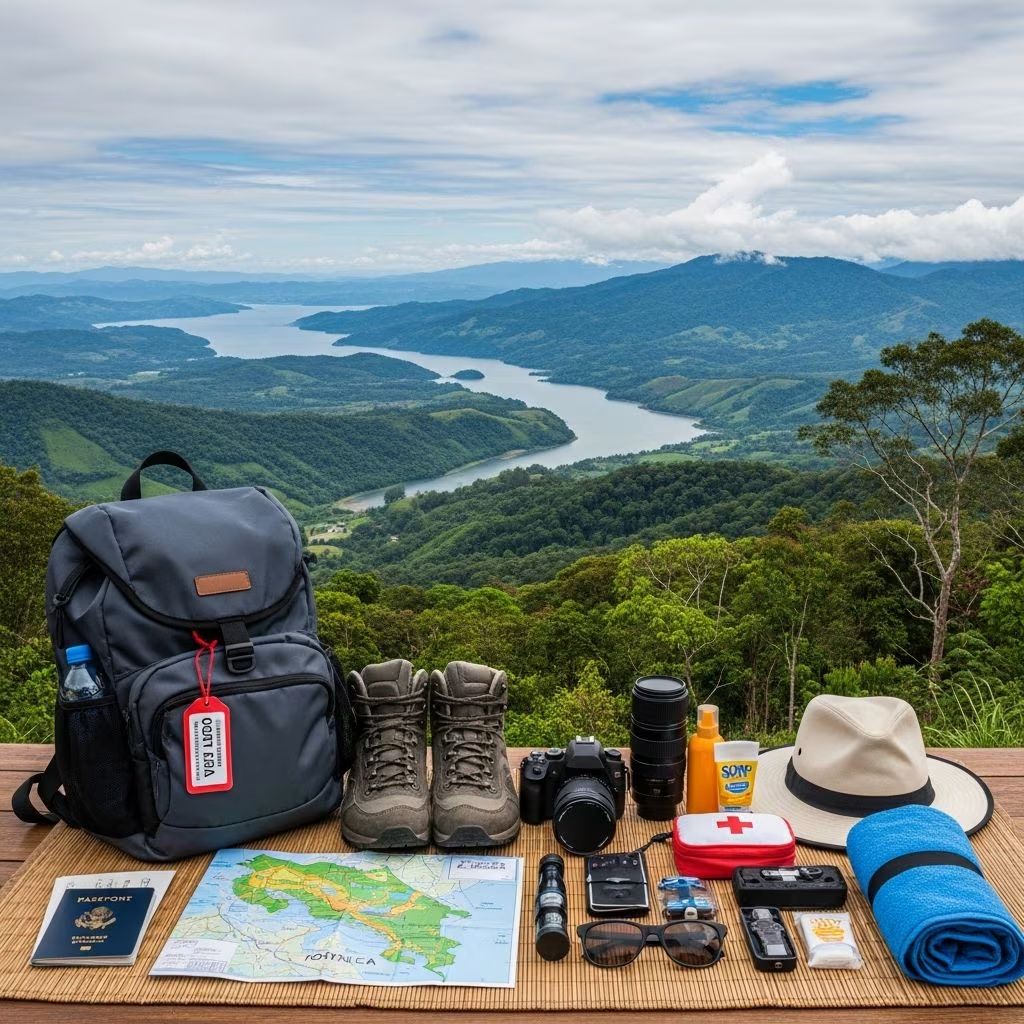 Travel Essentials
Preparing for a Costa Rican adventure requires thoughtful planning about what to bring. The country’s diverse ecosystems—from misty cloud forests to pristine beaches and bustling rainforests—demand versatile packing strategies. Understanding the climate, terrain, and activities you’ll encounter helps ensure you travel efficiently without unnecessary weight while maintaining comfort throughout your journey.
Costa Rica’s tropical climate presents unique packing challenges. The country experiences two distinct seasons that influence what you should bring. The dry season runs from December through April, offering sunny skies and minimal rainfall. The rainy season extends from May through November, characterized by afternoon downpours and consistently warm temperatures. Understanding these patterns is crucial because certain regions maintain rainfall year-round, particularly the Caribbean coast and areas like the Osa Peninsula.
Elevation varies dramatically across Costa Rica, from sea-level beaches to mountain peaks exceeding 3,000 meters. This elevation diversity means temperatures fluctuate significantly. Coastal areas remain warm throughout the year, while mountain regions like Monteverde and San Gerardo de Dota experience cooler evenings and misty conditions. Pack accordingly based on your specific destinations.
The foundation of smart Costa Rican packing centers on selecting the right fabrics. Lightweight, breathable materials allow air circulation in the humid tropical climate, preventing excessive sweat accumulation and potential heat-related discomfort. Quick-drying fabrics prove invaluable because humidity remains high even during the dry season, and you’ll frequently encounter water—whether from ocean swims, waterfall visits, or unexpected rain showers.
Synthetic blends and technical fabrics designed for athletic wear perform exceptionally well. These materials wick moisture away from skin, dry rapidly when wet, and resist mildew growth in humid environments. Natural fabrics like cotton absorb moisture and take longer to dry, making them less practical for extended stays where laundry facilities may be limited.
Plan to pack three to five short-sleeve shirts or t-shirts, preferably in quick-dry materials. Include one or two long-sleeve shirts for sun protection during hiking or when exploring shaded forest trails where insects congregate. Two to three pairs of shorts in quick-drying fabrics serve daily activities, while one pair of longer pants works for cooler mountain evenings, cloud forest exploration, or dressier dining occasions.
Bring multiple swimsuits—at least two—because single suits rarely dry overnight in humidity. Include casual dress clothing for restaurants and evening activities; one or two nicer blouses or shirts suffice for most establishments. Pack six to eight pairs of underwear to minimize laundry frequency, along with lightweight sleepwear and socks for cooler mountain regions or air-conditioned accommodations.
A lightweight, breathable rain jacket represents one of the most important items in your Costa Rican packing arsenal. Choose jackets specifically designed for tropical climates—they should be compact enough to fit in a day pack and shouldn’t trap heat while protecting from moisture. Ponchos offer excellent alternatives, providing coverage without the heat buildup of traditional jackets. Their loose design accommodates backpacks and hiking gear without requiring removal during activities.
The rainy season demands dependable rain gear, but even during dry season travel, unexpected showers occur without warning. Mountain regions experience morning mists and afternoon precipitation year-round. Waterproof bags or dry bags protect electronics, medications, and personal documents when traversing wet trails or during boat excursions.
Tropical sun intensity exceeds what many travelers anticipate. A wide-brimmed hat—whether a safari-style hat, baseball cap, or traditional sun hat—provides essential protection. If choosing a baseball cap, consider adding a bandana or neck protection to guard against sunburn on exposed skin. UV-protective long-sleeve shirts offer an additional defense layer, particularly valuable during water activities like snorkeling or kayaking where sun reflects off water surfaces.
High-quality sunscreen deserves significant luggage space. While sunscreen is available locally, familiar brands may be limited or expensive. Bring reef-safe formulations to protect marine ecosystems during water activities. Aloe vera gel addresses inevitable sunburns, and after-sun lotion provides soothing relief and moisture to stressed skin.
Appropriate footwear transforms your Costa Rican experience from uncomfortable to enjoyable. Hiking boots with ankle support suit intensive trail exploration, particularly in rainforest environments where uneven terrain and exposed roots pose challenges. Waterproof versions prevent moisture infiltration during creek crossings and wet conditions.
Sturdy sneakers or trail runners serve well for general exploration and village walking. Choose styles you don’t mind getting dirty, as mud and dust are inevitable. Water shoes or sport sandals like Tevas or Chacos prove essential for waterfall visits, river crossings, and rocky beach environments. Their specialized soles provide grip on slippery surfaces while allowing quick drainage and drying.
Pack casual slip-on sandals for lodges and dining, along with lightweight shoes for travel days. Multiple footwear options prevent excessive wear on any single pair and provide appropriate choices for varied activities and social situations.
Assemble a comprehensive first aid kit including adhesive bandages, antibiotic ointment, pain relievers, antihistamines, and medication addressing diarrhea—common among travelers to tropical regions. Include any prescription medications in original containers with documentation. Motion sickness medication helps during long drives on winding mountain roads and boat excursions.
Probiotics support digestive health when adapting to new cuisine and water sources. Antimalarials may be recommended depending on specific destinations within Costa Rica; consult healthcare providers before travel. Insect repellent wipes or impregnated bracelets provide portable alternatives to sprays, which face restrictions on flights, particularly when departing Costa Rica.
Pack toiletries you use regularly rather than relying on local availability or unfamiliar brands. Include toothpaste, toothbrush, deodorant, and personal hygiene products. Many accommodations provide basic toiletries, but preferences vary. Quick-dry towels or microfiber cloths reduce packing weight while drying rapidly in humid climates. Hand sanitizer and wet wipes address situations where washing facilities are unavailable.
Dry shampoo extends time between washes in humid environments, and makeup removal wipes simplify evening routines. Feminine hygiene products are available but may differ from preferred brands; bringing familiar options prevents inconvenience. Sunscreen lip balm protects often-overlooked lips from intense tropical sun.
A portable battery pack ensures your phone remains charged, particularly crucial in remote areas where power sources are limited or unreliable. Some lodges on the Osa Peninsula operate on generators and discourage device charging, making external batteries invaluable. USB-C and traditional charging cables facilitate compatibility with varied accommodations and rental cars.
A quality camera or smartphone with capable photography capabilities preserves memories of wildlife, landscapes, and experiences. Waterproof cases or bags protect expensive equipment during water activities. Headlamps or small flashlights prove useful for nighttime navigation, wildlife viewing, or reading in accommodations with limited lighting.
Your passport represents the single most important item—without it, entry and exit become impossible. Carry both physical and digital copies stored separately. Driver’s licenses facilitate car rentals, while credit cards (preferably Visa or MasterCard) enable purchases at most establishments. Copies of travel insurance documents, hotel reservations, and emergency contact information provide crucial information if devices fail or documents are lost.
Rolled clothing condenses more efficiently than folded garments, increasing luggage capacity without adding bulk. Compression bags further minimize volume, particularly valuable for travelers with luggage restrictions. Separate compartments or packing cubes organize items by category—clothing, electronics, toiletries—making items easily accessible without unpacking entire bags.
Ziplock bags serve multiple purposes: separating damp items from dry clothing, organizing small items, and protecting electronics from moisture. Freezer-size bags prove particularly practical for carrying in day packs during outdoor activities. A mesh bag designated for wet or dirty clothes prevents moisture from transferring to clean items.
Many items commonly overpacked prove unnecessary in Costa Rica. Beach towels are typically provided by accommodations; bringing your own adds unnecessary weight. Heavy rain gear isn’t essential since lightweight alternatives work equally well while occupying less luggage space. Local stores stock affordable ponchos and basic over-the-counter medications if you prefer purchasing locally. Basic toiletries, batteries, and beach equipment are readily available at reasonable prices, eliminating the need to transport them internationally.
Jungle adventures demand specific items beyond standard beach packing. Lightweight long pants or quick-dry leggings protect legs from insects and vegetation. Long-sleeve shirts, while warm, provide protection during guided tours. Moisture-wicking undershirts work under outer layers. Sturdy hiking boots with good ankle support prevent injuries on uneven terrain. Insect repellent wipes and protective clothing layers are more practical than sprays in dense forest environments where application becomes difficult.
Multiple swimsuits, water shoes, and sun protection dominate beach-focused packing. UV shirts provide sun protection while allowing water activity participation. Lightweight cover-ups or sarongs protect shoulders during restaurant visits. Waterproof fanny packs or small dry bags keep valuables secure and dry. Snorkeling gear, if bringing personal equipment, requires dry storage between uses.
Cooler mountain destinations require additional layers despite tropical climate. Pack a lightweight sweater, fleece, or long-sleeved thermal shirt for evenings and early mornings. Long pants become practical rather than optional. Rain gear proves essential in regions like Monteverde, where moisture-laden clouds create perpetually damp conditions. Hiking boots with superior ankle support handle challenging mountain terrain more effectively than standard sneakers.
Most establishments embrace casual dining and dress codes remain relaxed. One or two nice shirts and casual pants suffice for dinners at upscale restaurants. Active wear remains appropriate in most casual venues. Formal attire rarely becomes necessary unless attending specific events.
Most hotels and hostels offer laundry services, though costs vary. Many travelers wash items in sinks or request laundry assistance. This flexibility reduces required clothing quantities. Plan laundry days strategically to refresh wardrobes throughout extended stays.
Costa Rica uses 110-volt electrical outlets compatible with North American devices. European travelers require voltage converters. USB charging ports are becoming more common in accommodations, reducing converter necessity for devices with USB capabilities.
Tap water in most urban areas and tourist destinations is safe to drink. Remote regions may have questionable water quality. Many travelers bring water bottles with filtration capabilities for hiking and remote explorations. Bottled water is widely available and inexpensive.
Waterproof dry bags keep passports and electronics safe during water activities. Hotel safes store items when away from accommodations. Avoid bringing excessive jewelry or expensive watches. Credit cards and copies of documents provide security without carrying originals constantly.
| Category | Items |
|---|---|
| Clothing Basics | 3-5 t-shirts, 2-3 shorts, 1-2 long pants, 1 dress shirt, swimsuits, underwear/socks, sleepwear |
| Weather Protection | Rain jacket, poncho, wide-brimmed hat, light sweater for evenings |
| Footwear | Hiking boots, sneakers, water shoes, casual sandals |
| Sun and Skin Care | Sunscreen, aloe vera, UV shirts, after-sun lotion |
| Health Items | First aid kit, medications, motion sickness aids, insect repellent |
| Hygiene | Toiletries, quick-dry towel, hand sanitizer, wet wipes |
| Electronics | Battery pack, charging cables, camera, headlamp |
| Documents | Passport, copies, driver’s license, credit cards, travel insurance |
| Organizational | Packing cubes, ziplock bags, dry bags, travel clothesline |
Successful Costa Rican travel begins with thoughtful packing that balances comfort, practicality, and weight considerations. The diversity of environments—from beaches to mountains to rainforests—demands versatile clothing and gear selections. Prioritize quick-drying fabrics, weather protection, and activity-specific items while resisting the temptation to overpack.
Remember that many items are available locally if you forget or need replacements. Focus on bringing essentials that are difficult to find or significantly more expensive abroad, particularly prescription medications, specific toiletries, and electronics. With this comprehensive guide and thoughtful planning, you’ll arrive in Costa Rica well-prepared for every adventure the country offers.
