

 Travel Essentials
 Travel Essentials

Comprehensive guide covering climate patterns, regional diversity, safety considerations, cultural norms, and practical logistics for planning an unforgettable Costa Rica vacation.
 Travel Essentials
Costa Rica, literally meaning “Rich Coast” in Spanish, has emerged as one of Central America’s premier travel destinations, attracting visitors from across the globe seeking an ideal blend of adventure and natural tranquility. With its extraordinary biodiversity, extensive coastlines, and diverse ecosystems, this country offers experiences suited to virtually every type of traveler. However, successful travel to Costa Rica requires understanding several key preparation elements that will enhance your journey and help you navigate this remarkable destination effectively.
One of Costa Rica’s most distinguishing characteristics is its commitment to environmental preservation. The country dedicates over 20% of its territory to protected zones and national parks, making it a conservation leader in the region. This dedication to nature preservation directly benefits visitors, as it ensures access to undisturbed natural landscapes and thriving wildlife populations. Costa Rica’s ecosystem contains more than 500,000 plant and animal species, concentrated across just 51,100 square kilometers of land.
Understanding this biodiversity framework helps travelers appreciate why certain regions offer specific experiences. The country encompasses 12 distinct life zones, each supporting unique flora and fauna. This ecological variety means that within a single day’s travel, visitors can experience dramatic environmental transformations—beginning at a beach in light clothing and ending in rainforest terrain requiring rain gear and hiking boots.
The length of your Costa Rica visit significantly impacts the experiences available to you. Travel planning experts recommend a minimum week-long stay to adequately explore at least one or two primary destinations without excessive travel fatigue. A seven-day itinerary allows time to acclimate, experience multiple activities, and relax without rushing constantly between locations.
For more comprehensive exploration, ten days permits sampling varied regions—perhaps combining volcano and hot spring experiences with beach relaxation. Two-week visits offer optimal flexibility, enabling visitors to include remote areas like the Osa Peninsula, known for exceptional wildlife viewing opportunities. When planning your itinerary, remember that darkness falls consistently around 6:00 p.m. year-round, so travel timing between destinations must account for this consistent sunset hour.
Costa Rica’s tourism landscape encompasses several distinct regions, each offering particular attractions and experiences:
This region differs from central Pacific coastal areas by featuring more open landscapes rather than dense jungle coverage. Guanacaste boasts some of the country’s most celebrated beaches across multiple towns and villages. Tamarindo stands as a major hub, offering excellent surfing conditions alongside numerous dining and accommodation options catering to various budgets. Playa Conchal attracts visitors seeking resort experiences, while Flamingo appeals to travelers seeking upscale beachfront amenities and pristine white-sand shores.
Frequently cited as Costa Rica’s most popular first-time visitor destination, La Fortuna showcases the impressive cone-shaped Arenal Volcano. Beyond scenic hikes around the volcano’s base, visitors enjoy access to natural thermal hot springs and an extensive array of adventure activities. This region combines geological wonder with recreational opportunities suitable for various activity levels.
Located in northwestern Costa Rica, Monteverde distinguishes itself through perpetual mist and remarkable plant biodiversity. The Monteverde Cloud Forest Reserve shelters over 3,000 plant species, including 755 different tree varieties. This region appeals to nature enthusiasts and bird-watchers seeking unique ecosystems found nowhere else on Earth.
With nearly 800 miles of coastline, Costa Rica provides abundant beach options for surfing, snorkeling, sailing, and relaxation. The Peninsula de Osa offers remote experiences and superior wildlife viewing. Parque Nacional Tortuguero represents one of the Caribbean coast’s finest destinations, while the Peninsula de Nicoya provides accessible relaxation opportunities.
Understanding Costa Rica’s climate patterns proves essential for trip planning. The country experiences distinct wet and dry seasons, with weather varying by region and altitude. Tropical areas experience warm temperatures throughout the year, while mountain regions remain noticeably cooler. Rainfall patterns differ significantly between Caribbean and Pacific coasts, affecting both activities and regional conditions.
Travelers should research specific seasonal weather patterns for their chosen destinations and plan activities accordingly. The wet season generally brings afternoon rainfall, which often increases in intensity during certain months. Conversely, the dry season typically offers optimal conditions for most outdoor activities.
Navigating Costa Rica requires understanding available transportation options and their characteristics. Road conditions vary significantly throughout the country, and renting vehicles involves considerations beyond typical rental experiences. Many travelers opt for guided tours, which offer advantages including professional organization and smaller group sizes—typically 6 to 12 participants.
Tour operators in Costa Rica maintain licensing requirements, provide guide training, and enforce safety regulations for adventure sports. This professionalization distinguishes Costa Rica’s tourism infrastructure from many competing destinations. Both group and private tour options accommodate different preferences and budgets.
While Costa Rica generally welcomes international visitors, travelers should observe standard safety precautions common to any tourism destination. Understanding local customs, respecting cultural norms, and maintaining situational awareness contribute significantly to secure, enjoyable experiences. Following basic safety guidelines allows visitors to focus on enjoying the country’s remarkable attractions.
Costa Rican culture reflects both its Latin American heritage and unique national identity. The country’s warm and welcoming population actively celebrates their natural heritage and cultural traditions. Engaging respectfully with local customs, learning basic Spanish phrases, and sampling the national cuisine enhances cultural immersion and demonstrates appreciation for the destination.
The country maintains an official “Blue Zone” designation in the Nicoya Peninsula, reflecting exceptional longevity rates among local residents. This status stems from balanced dietary practices, active lifestyles, strong social connections, and integrated healthcare approaches—elements reflecting broader cultural values emphasizing wellness and community.
Successfully enjoying Costa Rica involves balancing structured activities with spontaneous exploration. While guided tours offer valuable expertise and safety, leaving time for independent discovery enriches the travel experience. Many visitors find that combination approaches—utilizing professional guides for specialized activities while exploring towns and beaches independently—provide optimal satisfaction.
Avoiding the common temptation to overpack your itinerary ensures you experience destinations thoroughly rather than rushing between locations. Strategic selection of primary destinations combined with adequate time in each location creates more meaningful memories than attempting to see everything hastily.
The dry season (December through April) typically offers optimal weather conditions and attracts higher visitor volumes. However, the green season (May through November) provides lush landscapes, fewer tourists, and reduced accommodation prices, though afternoon rainfall occurs regularly.
A minimum seven-day visit allows adequate exploration of one to two primary destinations without excessive travel fatigue. Longer stays provide greater flexibility and permit visiting remote regions.
Costa Rica maintains a strong tourism infrastructure and generally provides secure experiences for international visitors who follow standard travel precautions and respect local customs.
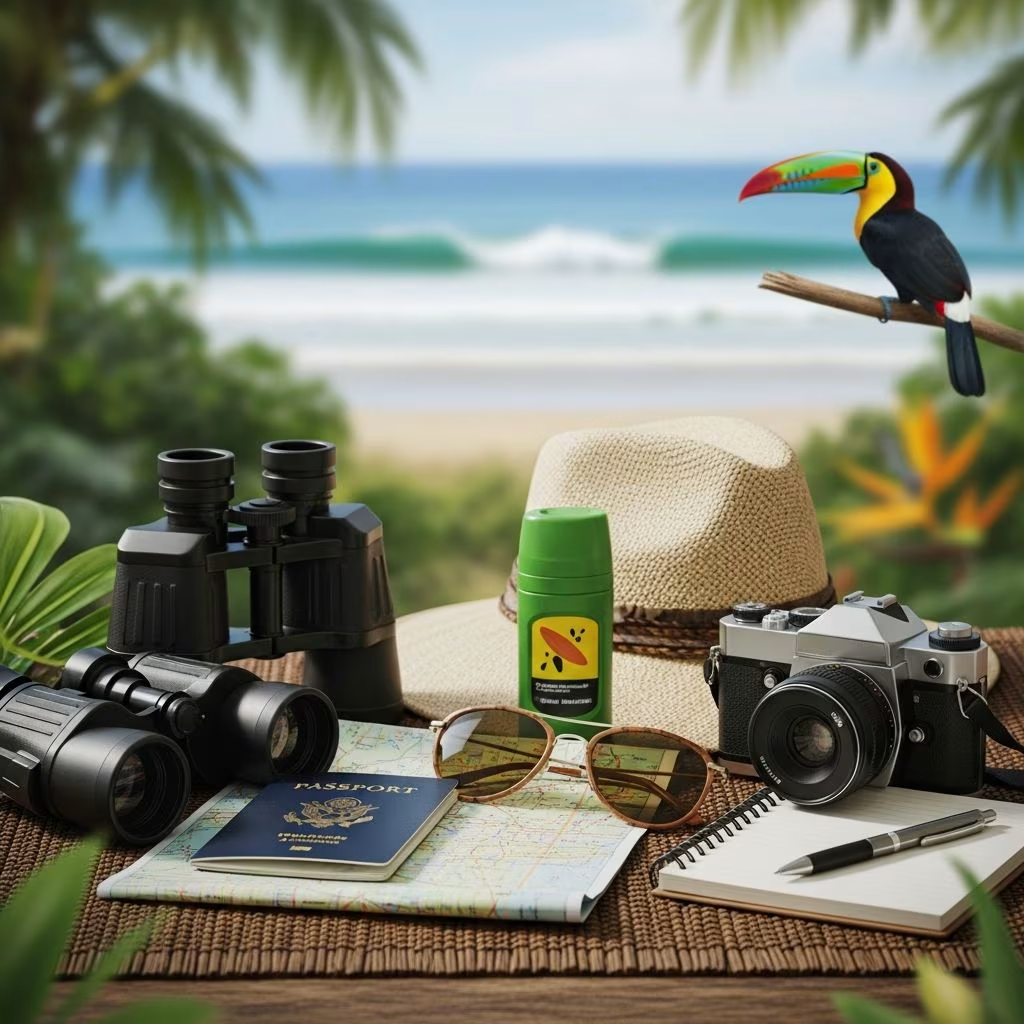
Essential items include appropriate rain gear, sun protection, comfortable hiking footwear, insect repellent, and lightweight, breathable clothing suitable for tropical climates and variable elevations.
Yes, Costa Rica requires tour operator licensing, implements guide training programs, and enforces safety regulations for adventure activities, distinguishing the country’s tourism professionalism.
