

 Travel Essentials
 Travel Essentials

Explore Crested Butte, Colorado's Wildflower Capital, boasting the nation's best flower fields. Learn about peak seasons, top trails, diverse species, and must-attend events for an unforgettable summer escape.
 Travel Essentials
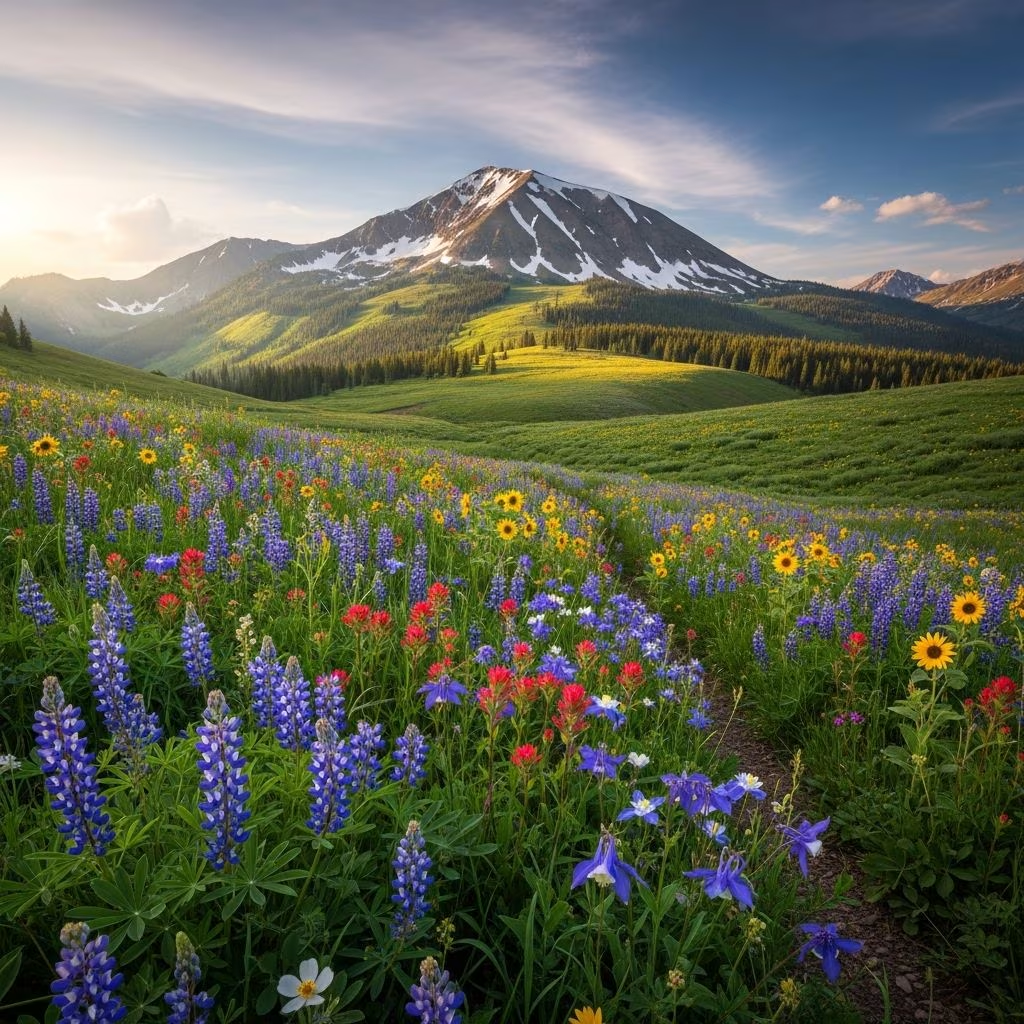
Crested Butte, Colorado, stands out as the unrivaled destination for wildflower enthusiasts across the United States, earning its nickname as the Wildflower Capital of Colorado due to its extraordinary diversity and density of alpine blooms. Every summer, rolling hills, high meadows, and rugged trails explode into a kaleidoscope of colors, drawing hikers, photographers, and nature lovers from around the world.
The wildflower phenomenon in Crested Butte transforms the landscape from late spring through early fall, with peak displays typically occurring between mid-June and mid-August. This extended bloom period is influenced by the region’s high elevation, ranging from 8,000 to over 12,000 feet, varied microclimates, and abundant moisture from snowmelt. Valleys like Slate River and Cement Creek, along with passes such as Kebler, become carpets of purple lupines, golden sunflowers, red paintbrushes, and delicate orchids.
What sets Crested Butte apart is the sheer volume and variety—over 1,500 species have been documented in the Gunnison Valley area alone. Early season brings vibrant lupines and elephant heads near waterways, while mid-summer showcases sunflowers and gentians on open slopes. Late bloomers like fireweed add pink spikes to the palette as the season winds down. Visitors often describe the sight as a living painting, where flowers blanket hillsides in waves of color visible even from afar.
Crested Butte offers an array of trails tailored to every skill level, from gentle town paths to challenging alpine routes, all optimized for wildflower viewing. Here’s a curated selection of the best hikes, complete with details on difficulty, distance, and bloom timing:
| Trail Name | Area | Difficulty | Peak Bloom | Drive from Town (min) | Trail Length (miles) |
|---|---|---|---|---|---|
| Lily Lake | Kebler Pass | Moderate | Mid-Late July | 15 | 7 |
| Snodgrass Trail | Snodgrass | Easy-Moderate | Early-Mid July | 15 | 5 |
| Recreation Path | Town | Easy | June-August | 1 | 0.5 |
| Lupine Trail | Slate River | Easy | Early-Mid July | 10 | 2 |
| Green Lake | Town | Easy | Mid-Late July | 1 | 1 |
| Oh Be Joyful | Slate River | Moderate | Mid-Late July | 10 | 5 |
| Trail 401 | Gothic | Strenuous | Mid-Late July | 20-30 | 15 |
Beginners should start with the Recreation Path or Woods Walk, both under a mile and right in town, offering immediate immersion in blooming meadows. For families, the Lower Loop along Slate River provides flat terrain with early lupine displays. Adventurous hikers target Snodgrass or Lily Lake for panoramic views of flower-strewn basins. Always check current conditions, as snow can linger into July at higher elevations.
Crested Butte’s flora rivals any botanical garden, featuring both common spectacles and rare gems. Key species include:
Bring a field guide or app for identification—the Rocky Mountain Biological Laboratory nearby offers resources on lifecycles, like the gentian’s 20-80 year wait to flower.
To maximize blooms, aim for late June through early August, monitoring weather via local apps since microclimates vary. July typically delivers the most reliable displays across elevations. Access Crested Butte via Gunnison-Crested Butte Regional Airport (10 miles away) or drive from Denver (4-5 hours). Stay in charming lodges or cabins; book early for festival weeks.
Essential tips:
Combine hiking with mountain biking on trails like Whetstone or photography workshops for deeper engagement.
No visit is complete without the annual Crested Butte Wildflower Festival, a 10-day July event featuring 150+ workshops on botany, art, photography, and ecology. Highlights include guided hikes, pollinator talks, painting sessions amid blooms, and family activities. Past festivals have drawn thousands, fostering community around conservation. Check the official site for 2026 dates, typically mid-July, with tickets for premium events.
The festival underscores Crested Butte’s commitment to preserving its floral heritage, partnering with labs and parks for education and research.
While wildflowers define summer, Crested Butte shines seasonally. Winter brings world-class skiing at Crested Butte Mountain Resort, spring offers aspen greens, and fall paints ridges gold. Year-round events, farm-to-table dining, and historic mining town vibes make it a four-season gem. Nearby Gothic hosts the Rocky Mountain Biological Laboratory, advancing alpine research since 1928.
Faced with climate shifts, Crested Butte prioritizes sustainability. Volunteers monitor blooms via citizen science, while trails minimize erosion. The Wildflower Festival promotes ethical viewing, urging off-trail avoidance to prevent trampling. Local ordinances protect rare species like calypso orchids, ensuring future generations witness this natural wonder.
Peak viewing spans mid-June to mid-August, with July ideal for most species. Early July favors lower elevations; late July hits alpine zones.
Many are, but leash requirements apply in town; wilderness areas prohibit dogs to protect wildlife.
Sunscreen, hat, sturdy shoes, water, snacks, camera, and insect repellent. Download offline maps.
Absolutely—easy trails like Rec Path and Green Lake suit all ages, with festival kid programs.
Town trails are highly accessible; remote ones require 4WD for passes like Kebler.
From its official Wildflower Capital status to unmatched biodiversity, Crested Butte delivers an immersive floral escape unmatched nationwide. Whether chasing rare orchids, summiting bloom-covered peaks, or joining festival fervor, this Colorado enclave promises memories in every petal.
