

 Travel Essentials
 Travel Essentials

A comprehensive guide covering safety, etiquette, beaches, health, and practical tips for planning an unforgettable Croatian vacation.
 Travel Essentials
Croatia has transformed into one of Europe’s most compelling travel destinations, drawing visitors from around the world to experience its crystalline waters, medieval architecture, and vibrant Mediterranean culture. Before embarking on your journey to this Adriatic jewel, understanding key aspects of the country will help you navigate your experience more effectively and make the most of your time there.
When evaluating any international destination, security ranks among the primary concerns for travelers. Croatia maintains a strong safety record with low crime rates overall, making it a relatively secure destination for most visitors. The country’s tourism infrastructure has developed substantially to accommodate international guests, and local authorities maintain visible presence in popular tourist areas.
While violent crime remains uncommon, petty theft does occur in crowded tourist zones, particularly in major cities and popular beach areas. Pickpocketing represents the most frequently reported issue affecting visitors. Exercise standard urban precautions such as keeping valuables secure, avoiding displaying expensive jewelry or electronics, and remaining aware of your surroundings in busy markets and transportation hubs.
LGBTIQ+ travelers should be aware that while Croatia has made progress in civil rights legislation, social attitudes vary throughout the country. Larger cities tend to be more progressive, but discretion is advisable in smaller towns and rural areas. Local LGBTIQ+ organizations and community groups can provide current information about welcoming establishments and events.
Respectful behavior demonstrates cultural appreciation and enhances your interactions with local residents. Croatian society values courtesy and decorum, and certain behavioral expectations differ from those in other Western destinations.
Croatia’s growing reputation as a party destination has occasionally attracted visitors whose behavior strains local hospitality. In response, municipalities have implemented regulations to maintain order and protect community life. Public intoxication is taken seriously, with fines reaching up to €700 for excessive drunkenness. This extends beyond standing around—even sleeping in public spaces while intoxicated can result in penalties. The town of Hvar implemented these measures after years of managing disruptive tourist behavior.
When enjoying Croatia’s vibrant nightlife and abundant local beverages, moderate alcohol consumption allows you to participate in social experiences while respecting community standards. Many establishments operate within specific hours, and late-night noise regulations apply in residential areas.
Croatians generally appreciate visitors who show interest in their heritage and language. Learning basic phrases in Croatian—such as greetings and polite expressions—goes far in establishing positive connections. Dining etiquette matters; meals represent important social occasions, and demonstrating genuine appreciation for Croatian cuisine creates memorable interactions with hosts and restaurant staff.
Croatia’s extraordinary coastline stretches along the Adriatic Sea, featuring thousands of miles of seafront with over 1,000 islands scattered throughout the crystalline waters. Beach culture here differs significantly from many other Mediterranean destinations, and understanding local practices ensures both comfort and respect for established customs.
Most Croatian beaches feature pebbly or rocky surfaces rather than sandy shores. Swimming shoes are practically essential rather than optional accessories. These inexpensive neoprene or plastic shoes protect your feet from sharp rocks and serve an additional protective function against sea urchins that inhabit rocky areas. Available at virtually every beach resort, these shoes transform uncomfortable wading into enjoyable swimming experiences.
Croatia maintains a well-established naturist culture, with designated clothing-optional beaches appearing throughout the coast. These areas are typically marked with FKK signage—derived from German “Frei-Körper-Kultur” (free body culture)—reflecting the significant German tourist population who pioneered this practice in the region. Beyond designated naturist zones, topless bathing represents a common practice, particularly among women on less-crowded beaches. Understanding this cultural norm prevents surprises and demonstrates respect for local customs.
Preparing for health-related contingencies represents responsible travel planning. Croatia’s healthcare system maintains good standards in major cities and tourist areas, though rural regions may have limited facilities. European Union citizens benefit from reciprocal healthcare agreements, while non-EU visitors should verify their travel insurance coverage includes medical expenses.
Tap water throughout Croatia meets safety standards and remains drinkable in most areas. This eliminates the need for bottled water in cities, though some visitors prefer it in more remote locations. Pharmacies are accessible in all towns and cities, and many medications available in Western countries can be found without requiring local prescriptions.
Croatia sits within an active seismic zone with a documented history of earthquakes spanning centuries. In 2020, significant seismic events caused considerable damage—particularly the earthquake affecting Zagreb, which damaged thousands of structures including the city’s cathedral, and a subsequent powerful quake that devastated Petrinja, located approximately one hour south of the capital. While major earthquakes remain relatively infrequent, visitors should familiarize themselves with basic safety procedures. If experiencing seismic activity during your visit, follow local authorities’ guidance and remain alert for aftershocks.
Croatia experiences three distinct climate regions, each affecting travel planning differently. The Adriatic coast and islands enjoy Mediterranean climate patterns with warm, dry summers reaching approximately 30 degrees Celsius and cooler, wetter winters averaging 7 degrees Celsius. Interior regions experience continental climate with colder winters dropping below freezing and heavy snowfall, contrasting sharply with hot summer temperatures reaching the mid-to-high 30s Celsius without maritime cooling breezes.
May through October represents the optimal travel window, when weather remains warm, tourism facilities operate at full capacity, and sea conditions favor water activities. However, summer months also bring maximum crowds and premium pricing. Spring and fall offer pleasant weather with fewer visitors and lower accommodation costs.
Croatia uses the Croatian kuna as its official currency, though the euro circulates in some tourist areas. Understanding local pricing structures helps travelers budget effectively. Coastal tourist zones command premium prices substantially higher than inland areas. Dining at waterfront restaurants costs significantly more than neighborhood establishments offering identical cuisine. Peak season prices (July-August) exceed shoulder season rates by 30-50% across accommodations and activities.
Travelers benefit from exploring lesser-known inland attractions and smaller settlements where prices remain reasonable and authentic local experiences flourish. Street markets in towns throughout the country offer fresh produce, local cheese, and regional specialties at fraction of resort prices.
Understanding transportation options shapes your travel experience significantly. Public transportation networks connect major cities via buses and trains, though frequency decreases in remote areas. Car rentals provide independence for coastal exploration and inland discovery, though parking in Old Towns can prove challenging and expensive. Many visitors combine transportation methods—flying into Zagreb, using local buses between cities, and renting vehicles for regional exploration.
Plitvice Lakes represents Croatia’s most visited natural attraction and UNESCO World Heritage site. This spectacular park features sixteen interconnected lakes in varying shades of blue, separated by cascading waterfalls flowing through lush forested canyons. Located between Zagreb and Zadar, the park remains accessible as a day excursion from multiple base cities. Boardwalk trails guide visitors through the landscape without requiring technical hiking skills, making the site accessible for most fitness levels.
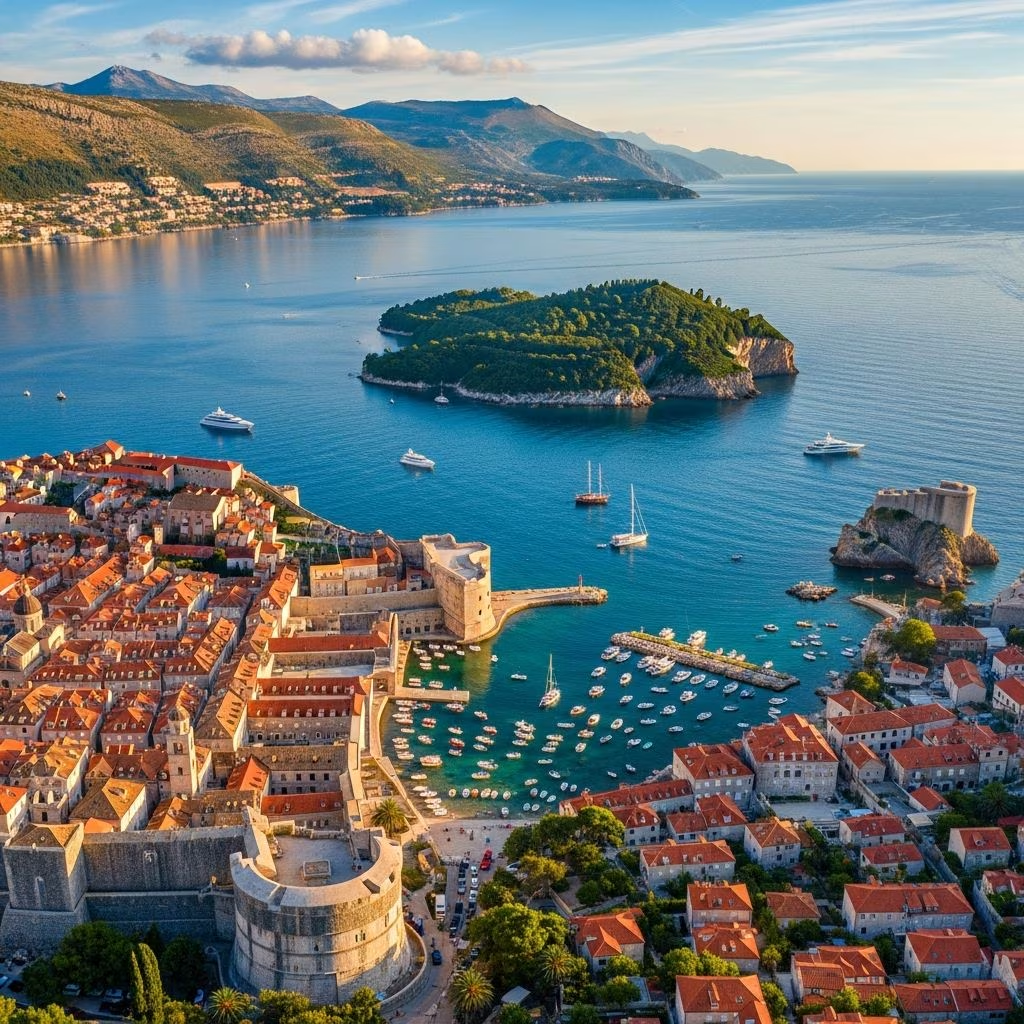
The Dalmatian Coast concentrates Croatia’s most famous attractions. Dubrovnik’s UNESCO-listed Old Town features medieval fortifications, narrow stone-lined lanes, and dramatic hillside perspectives. Split developed around Diocletian’s ancient Roman palace, creating a unique blend of archaeological significance and modern urban vitality. Smaller destinations like Zadar showcase layered history through Roman ruins, Byzantine architecture, and medieval churches scattered throughout restored Old Towns.
Island hopping ranks among Croatia’s premier activities, with over 1,000 islands offering diverse experiences. Hvar attracts diverse visitors—families seeking beach relaxation, yacht enthusiasts, and younger travelers seeking nightlife. The Pakleni islands accessible from Hvar provide secluded beaches and hidden coves. Lesser-known islands like Vis and Cres appeal to visitors preferring tranquility over crowded tourist zones.
Zagreb, Croatia’s often-underrated capital, deserves substantial exploration time. The city boasts the highest concentration of museums per capita globally, featuring collections spanning Naive Art, archaeological treasures, and contemporary works. Lush parks, vibrant neighborhoods, and dynamic cultural scene make Zagreb an engaging base for multi-day stays.
Istria, in the northwest, maintains strong Venetian cultural influences with charming coastal towns like Rovinj featuring Venetian-style architecture and Mediterranean ambiance. The region’s interior contains Roman ruins, vineyards, and picturesque hilltop villages like Motovun offering panoramic Adriatic vistas.
Croatian represents the official language, though English proficiency varies by location and age group. Younger people in tourist areas generally speak fluent English, while older residents and those in remote villages may communicate primarily in Croatian. Learning basic phrases enhances interactions and demonstrates cultural respect. Translation applications assist with more complex conversations, and most restaurant menus in tourist zones include English translations.
Yes, Croatia maintains good safety standards for solo travelers. Use standard urban precautions in cities, avoid displaying expensive items, and trust your instincts about locations and situations. Female solo travelers should exercise normal caution, particularly in nightlife areas late at night.
May through October offers optimal weather and full facility availability. May-June and September-October provide pleasant temperatures with fewer crowds than peak July-August. Winter visits to Zagreb and Istria appeal to those preferring solitude and lower prices.
Travel insurance covering medical emergencies, trip cancellation, and lost belongings protects against unexpected expenses. EU citizens benefit from reciprocal healthcare, but non-EU visitors should verify coverage includes international medical care and evacuation.
Most beaches permit alcohol consumption, though some designated areas restrict it. Public intoxication remains subject to fines, particularly in municipalities like Hvar that actively enforce regulations.
Yes, many Croatian beaches welcome families. Pebbly beaches require swimming shoes for young children, but the warm Mediterranean waters and calm bays throughout the Adriatic provide safe swimming conditions. Crowded resort beaches offer lifeguard presence and amenities.
Croatia offers extraordinary experiences for travelers prepared with essential knowledge about local customs, environmental conditions, and practical considerations. The combination of safety, accessibility, and natural beauty has transformed this Adriatic destination into a premier European travel choice. By understanding cultural expectations, climate patterns, beach traditions, and regional attractions before arrival, you position yourself to navigate your journey confidently and respectfully while creating lasting memories of this remarkable country.
