

 Travel Essentials
 Travel Essentials

Discover vital pre-trip advice for Croatia: safety measures, etiquette rules, beach tips, transport options, and top attractions for an unforgettable journey.
 Travel Essentials
Croatia captivates with its azure Adriatic waters, ancient stone fortresses, and lush national parks, drawing millions annually. To ensure your visit is smooth and enriching, grasp key aspects of safety, customs, climate, and logistics upfront.
Croatia ranks among Europe’s safer destinations, boasting low violent crime rates primarily affecting pickpocketing in crowded tourist hubs like Dubrovnik’s Old Town and Split’s promenades. Exercise standard vigilance: secure valuables, avoid isolated areas at night, and stay alert in ferry ports.
LGBTIQ+ travelers should note conservative attitudes in rural zones, though major cities like Zagreb and Split offer welcoming scenes. Public displays of affection may draw stares outside urban centers. Recent seismic activity, including 2020 quakes impacting Zagreb and Petrinja, underscores the need to follow local alerts via apps or hotel advisories during your stay.
Croatia’s diverse topography yields varied weather: the Dalmatian Coast basks in Mediterranean warmth (summer highs near 30°C/86°F, mild winters at 7°C/45°F), while inland areas endure colder winters below freezing with snow and scorching summers up to 35°C/95°F. Optimal travel spans May to October, when facilities operate fully and seas warm for swimming.
| Region | Summer (Jun-Aug) | Winter (Dec-Feb) | Best Months |
|---|---|---|---|
| Adriatic Coast/Islands | Warm, dry, crowded | Cool, wet | May-Jun, Sep-Oct |
| Inland (Zagreb, Plitvice) | Hot, humid | Cold, snowy | May-Sep |
| Mountains | Mild highs | Heavy snow | Jun-Sep |
Avoid peak July-August crowds by opting for shoulder seasons, balancing pleasant weather with fewer tourists.
Croatians value politeness; greet with a firm handshake and ‘dobar dan’ (good day). Tipping 10% in restaurants signals appreciation, rounding up taxi fares suffices. Public intoxication draws fines up to €700 in party spots like Hvar, so moderate revelry to respect locals weary of rowdy behavior.
Dining etiquette favors lingering over meals; try ćevapi (grilled meats) or fresh seafood, pairing with local wines like Plavac Mali.
Franz Josef Airport in Zagreb handles most flights, with connections to Split and Dubrovnik. Renting a car unlocks rural gems but note narrow coastal roads and ZTL zones in historic centers. Buses via Libertas or Arriva link cities affordably; ferries from Jadrolinija connect 1,000+ islands—book ahead for vehicles.
Island hopping shines via catamarans to Hvar, Vis, or Korčula. Trains serve inland routes efficiently from Zagreb.
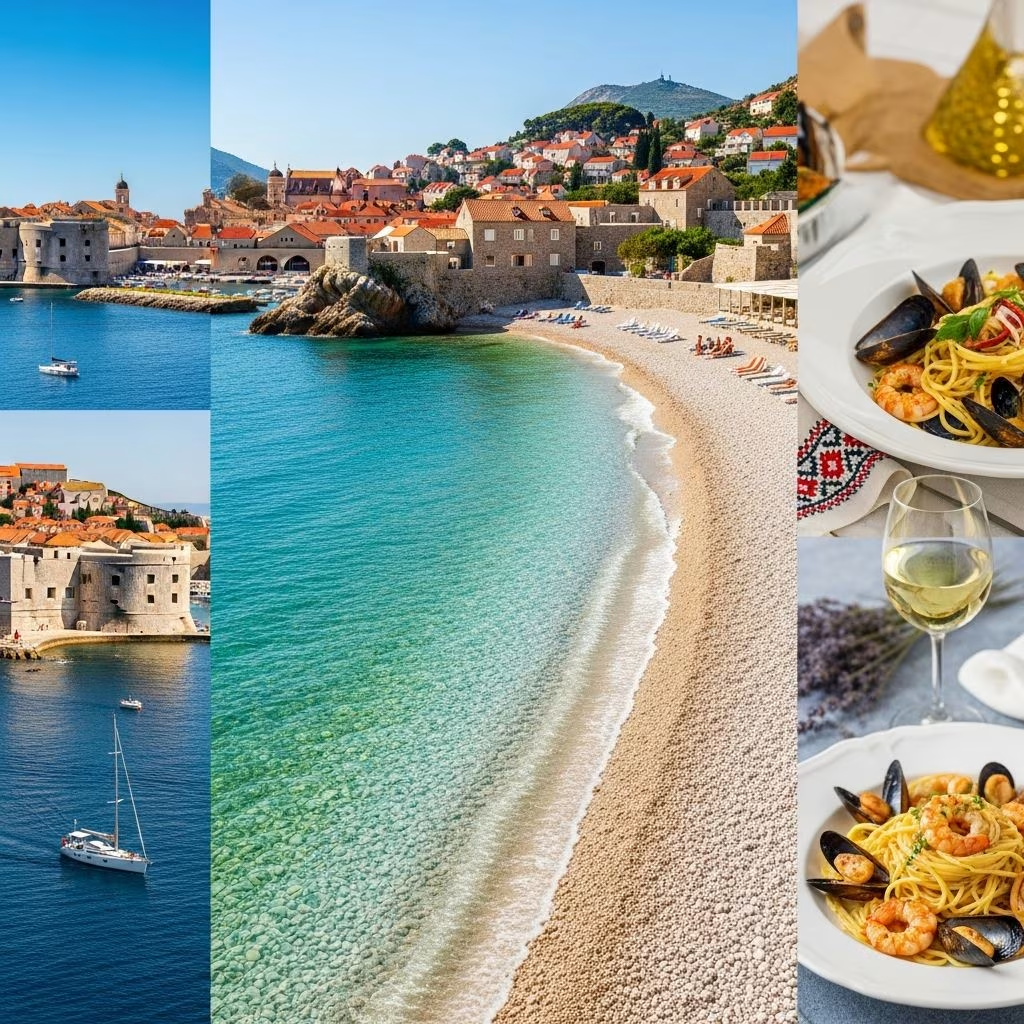
Predominantly pebbly or rocky, Croatia’s beaches demand water shoes to shield against urchins and discomfort. Naturist (FKK) spots abound, signaled by signage; topless sunbathing prevails elsewhere.
Plitvice Lakes National Park, a UNESCO gem, features 16 turquoise lakes cascading through forests via boardwalks—allocate a full day. Krka National Park mirrors this with seven waterfalls near Skradin, ideal for Split day trips.
This UNESCO fortress city boasts intact medieval walls encircling baroque streets, once King’s Landing in Game of Thrones. Cable car to Mt. Srđ offers panoramas; explore Lokrum Island nearby.
Orbiting a 4th-century Roman palace, Split pulses with markets, the Riva promenade, and nearby Trogir’s medieval charm. Klis Fortress and Marjan Hill provide escapes.
Overlooked yet rewarding, Zagreb dazzles with museums (Naive Art, Broken Relationships), Dolac Market, and Upper Town funicular. It’s the launchpad to Plitvice.
Rovinj’s colorful harbor, Pula’s Roman amphitheater, and Opatija’s villas evoke Venice. Truffle hunts and hill villages like Motovun enchant.
Euro currency simplifies transactions (since 2023 adoption). Tap water is potable nationwide. EU citizens enjoy seamless healthcare; others secure EHIC or insurance. Download the HUO app for ride-hailing; Wi-Fi proliferates in cafes.
Budget: €100-150/day covers mid-range lodging, meals, sites.
Moderate: meals €10-20, hostels €30/night, attractions €10-25.
Schengen rules apply; check U.S. State Dept for updates.
Hvar or Brač offer calm beaches and activities.
No—euros only; cards widely accepted.
Know ‘drop, cover, hold’; monitor local news.
Leave no trace in parks, support family-run eateries, and use public transit to minimize impact. Boycott unregulated party boats harming ecosystems.
