

 Travel Essentials
 Travel Essentials

Discover what you need to know before visiting Croatia, from safety and etiquette to beaches, weather, and cultural considerations for travelers.
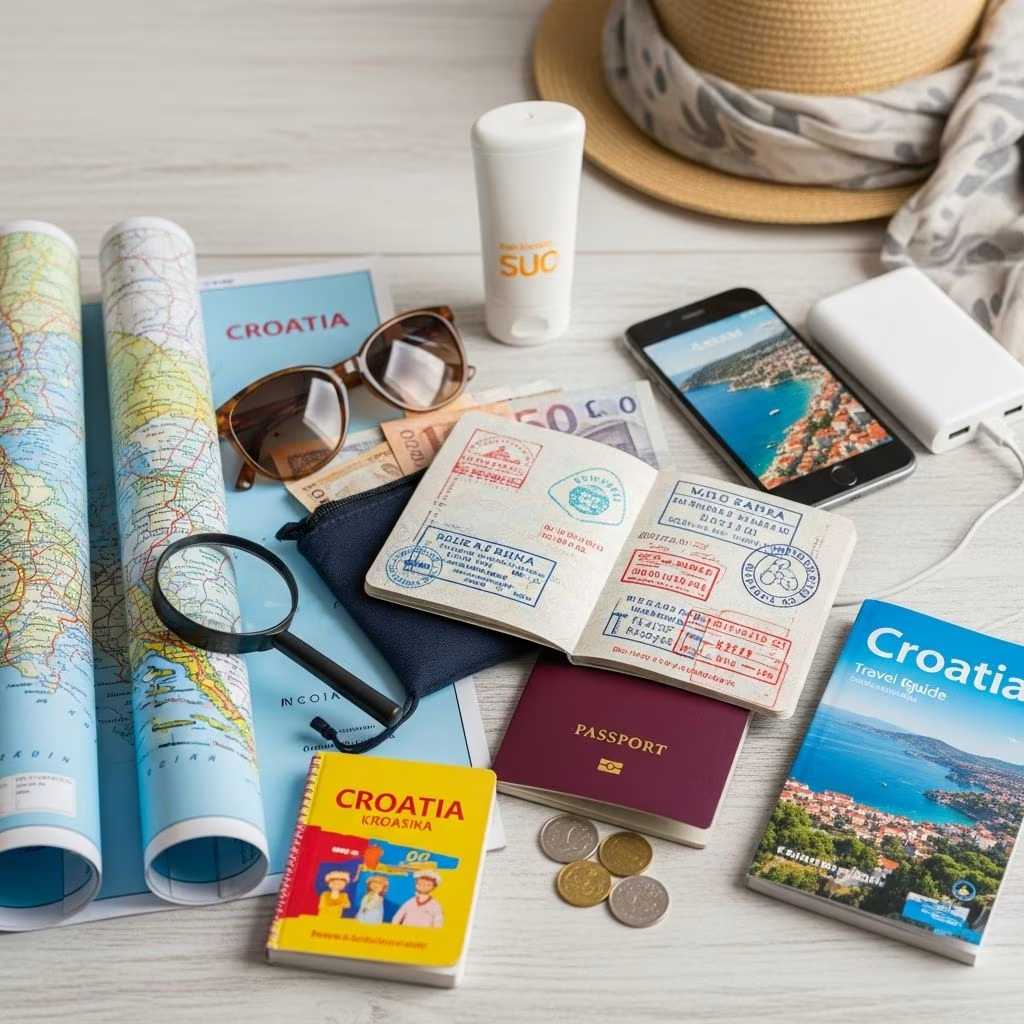 Travel Essentials
Croatia has emerged as one of Europe’s most captivating destinations, drawing visitors worldwide to its sun-soaked coastlines, ancient cities, and pristine natural landscapes. Before embarking on your Croatian adventure, understanding the fundamentals of travel in this Balkans nation will significantly enhance your experience and help you navigate cultural norms, environmental conditions, and practical considerations.
Croatia maintains a reputation as a relatively safe travel destination with manageable crime rates compared to other European countries. Visitors can explore major cities, coastal regions, and rural areas with reasonable confidence. However, like any popular tourist destination, certain precautions remain prudent.
The primary security concern for tourists involves petty theft and pickpocketing, particularly in crowded areas, public transportation hubs, and popular tourist zones. Visitors should maintain awareness of their belongings in bustling marketplaces, busy streets, and public beaches. Exercise standard travel vigilance: keep valuables secure, avoid displaying expensive items, and remain conscious of your surroundings during evening hours.
For LGBTIQ+ travelers, Croatia presents a mixed landscape. While urban centers like Zagreb demonstrate progressive attitudes, some rural areas and smaller communities may hold more conservative perspectives. LGBTIQ+ travelers should exercise discretion in remote regions and seek out welcoming establishments in major cities that actively support the community.
Croatia’s geographic location positions it within an active seismic zone, though significant earthquakes remain relatively uncommon. The country experienced notable seismic activity in 2020, with quakes impacting Zagreb and surrounding regions, causing structural damage to historic buildings. Should an earthquake occur during your visit, follow immediate guidance from local authorities and move to safe locations away from structures.
Beyond seismic considerations, visitors should understand regional weather patterns. The Adriatic coastal region experiences Mediterranean climate conditions with hot, dry summers and mild, wet winters. Summer temperatures reach approximately 30 degrees Celsius, while winter temperatures drop to around 7 degrees Celsius. Inland areas experience more dramatic temperature swings, with summer highs in the mid-to-high 30s Celsius and winter temperatures occasionally dipping below freezing, sometimes accompanied by heavy snowfall.
Understanding and respecting local customs demonstrates respect for Croatian culture and helps maintain positive community relations. Several behavioral guidelines merit particular attention:
Croatia’s extensive coastline presents unique beach environments requiring preparation and understanding of local practices. The country’s beaches differ significantly from sandy shorelines common in other Mediterranean destinations.
Physical Beach Composition – Most Croatian beaches feature pebbles and rocky substrates rather than sand. Walking barefoot on these surfaces can cause discomfort and minor foot injuries. Protecting feet through water shoes or specialized neoprene footwear, available at virtually all resort facilities, prevents injury and provides defense against sea urchins inhabiting rocky areas beneath the waterline.
Beach Attire Practices – Croatia maintains relatively liberal attitudes toward beachwear compared to many European destinations. Naturist beaches, identified by FKK signage (derived from the German phrase “Frei-Körper-Kultur,” meaning free body culture), operate throughout the coastline, particularly in regions frequented by German tourists. Outside designated naturist areas, topless bathing remains commonplace and socially acceptable. Visitors should respect these conventions and, when visiting established naturist beaches, understand that full nudity represents the norm rather than exception.
Selecting appropriate travel timing significantly influences your Croatian experience. The optimal visitation window extends from May through October, when Mediterranean climates deliver warm, sunny conditions and all tourist facilities operate at full capacity. During these months, daytime temperatures remain pleasant for outdoor activities, and weather patterns typically support beach recreation and sightseeing.
Peak tourist season concentrates in July and August, bringing crowded attractions, elevated accommodation prices, and congested transportation networks. Spring months (May-June) and autumn months (September-October) provide superior alternatives, offering favorable weather with significantly fewer tourists. Winter visitation presents different advantages: reduced crowds, lower costs, and opportunities to experience Croatia’s cultural dimensions without summer tourist infrastructure focus, though weather becomes less predictable and some coastal attractions operate on reduced schedules.
Croatia maintains safe, reliable municipal water systems throughout urban areas and tourist destinations. Tap water from standard water supplies proves suitable for consumption without specialized treatment or filtering in cities and established towns. However, visitors traveling to remote villages should consider water source reliability and opt for bottled water when source quality remains uncertain. Bottled water availability remains widespread at minimal cost throughout Croatia.
Understanding Croatia’s major attractions helps structure meaningful itineraries. The country encompasses diverse geographic and cultural regions:
Navigating Croatia requires understanding available transportation options and infrastructure. Extensive international flight connections serve Zagreb as the primary gateway. Within the country, regional buses connect major cities and coastal destinations, though reliability and comfort vary considerably. Ferry services connect the mainland with islands, though schedules fluctuate seasonally. Rental vehicles provide independence for coastal exploration and interior access, though parking availability and narrow medieval streets present challenges in historic districts.
Standard health precautions apply to Croatian travel. Ensure routine vaccinations remain current and consider consultation with medical professionals regarding travel-specific health concerns. Croatia maintains modern healthcare infrastructure in urban areas and tourist destinations, though medical resources become limited in remote regions. Travel insurance including medical coverage provides prudent protection. Pharmacies throughout the country stock common medications, though prescription requirements may differ from your home nation.
Croatia offers competitive pricing relative to Western European destinations, particularly in accommodation and dining outside peak tourist season. Coastal areas and primary attractions command premium pricing during summer months, while interior regions and off-season visitation provide superior value.
Croatian constitutes the official language, though English proficiency increases substantially in tourist-oriented businesses, hotels, and major cities. Learning basic courteous phrases demonstrates cultural respect, though communication in English generally remains feasible in tourist areas.
Major credit cards receive acceptance in urban establishments and tourist destinations, though cash remains preferable in remote villages and smaller vendors. ATM availability varies by location, making advance currency access advisable in rural exploration.
Organized ferry services connect major islands with regular schedules, enabling independent travel. Boat rental options provide alternative maritime exploration for experienced sailors, though inexperienced individuals should utilize established ferry infrastructure.
Beyond established tourist attractions, Croatia offers opportunities for genuine cultural engagement. Inland Istrian regions showcase Venetian architectural influences and hill villages maintaining traditional lifestyles. Zagreb’s cultural institutions, including world-leading museums per capita, provide profound insights into Croatian artistic and historical dimensions. Local markets, family-operated restaurants, and traditional festivals offer authentic cultural experiences beyond tourist infrastructure.
Understanding and respecting Croatian traditions, adapting to local customs, and approaching travel with cultural sensitivity transforms visits from surface-level tourism into meaningful engagement with this dynamic Mediterranean nation. Preparation through knowledge of practical considerations, environmental factors, and behavioral expectations establishes foundations for rewarding exploration of Croatia’s multifaceted attractions and warm, welcoming communities.
