

 Travel Essentials
 Travel Essentials

Compare Greece and Croatia across landscapes, culture, budget, and experiences to plan your ideal Mediterranean vacation.
 Travel Essentials
When planning a Mediterranean escape, travelers often face a compelling dilemma: should they venture to the sun-drenched islands of Greece or explore the medieval charm of Croatia? Both destinations captivate visitors with crystalline waters, rich histories, and unforgettable coastal experiences. Yet beneath their surface similarities lie distinct characteristics that make each destination uniquely appealing to different types of travelers. Understanding these differences will help you select the destination that aligns perfectly with your travel aspirations and lifestyle.
One of the most significant differences between these two nations is their physical size and how this affects your vacation planning. Croatia presents a more manageable travel experience due to its compact geography. The country stretches along the Adriatic coast with a land area that allows visitors to experience multiple highlights within a shorter timeframe. Traveling from Zagreb to Dubrovnik by road takes approximately ten days while capturing most of the country’s major attractions along the way. This makes Croatia ideal for travelers with limited vacation time who want to maximize their experiences without extensive travel between destinations.
Greece, by contrast, sprawls across a vastly larger territory—nearly three times the size of Croatia. This expansive landscape offers incredible diversity but requires strategic planning. The journey from Athens to Santorini alone consumes six hours by ferry, and exploring multiple regions demands substantial travel time. Visitors who wish to experience mainland Greece and island-hop simultaneously must budget considerably more time or accept limiting their geographic range.
Both nations enjoy Mediterranean climates with warm summers and mild winters, yet important distinctions exist. Greece benefits from a longer, hotter summer season due to its more southerly position. Temperatures remain consistently elevated from June through September, creating an extended period of intense heat and sunshine perfect for beach activities and island exploration.
Croatia also experiences pleasant Mediterranean weather, but the climate shifts more noticeably as you travel northward along the coast. The summer season, while warm and inviting, tends to cool down earlier than in Greece, particularly in northern regions. This means visitors to Croatia experience more moderate temperatures, which some travelers prefer for active exploration without excessive heat.
The historical narratives of these two destinations diverge significantly, creating different cultural experiences for visitors.
Greece’s historical foundation rests on classical antiquity and Byzantine traditions. Ancient temples, including the iconic Parthenon, dominate the landscape alongside Byzantine churches such as Hosios Loukas. These structures connect visitors directly to ancient mythology and classical civilization, creating an atmosphere saturated with historical depth and philosophical significance.
Croatia showcases a more eclectic architectural heritage reflecting multiple colonial and imperial influences. Roman ruins, Venetian palaces, Austro-Hungarian fortifications, and medieval towns create a rich tapestry of competing architectural styles. Diocletian’s Palace in Split exemplifies this layered history, combining Roman, Venetian, and later period elements. This diversity means Croatian architecture tells the story of cultural intersections rather than continuous classical traditions.
Both destinations offer island-hopping adventures, yet the experiences differ dramatically in character and intensity.
Croatian islands emphasize intimacy and relaxation. Destinations like Hvar and Vis feature lavender-covered landscapes, winding medieval streets, and secluded beaches accessible only by boat or hiking trails. The emphasis falls on quiet bays, crystal-clear waters ideal for swimming and diving, and off-the-beaten-path exploration. These islands feel like authentic Mediterranean sanctuaries where tourism exists but doesn’t overwhelm local life.
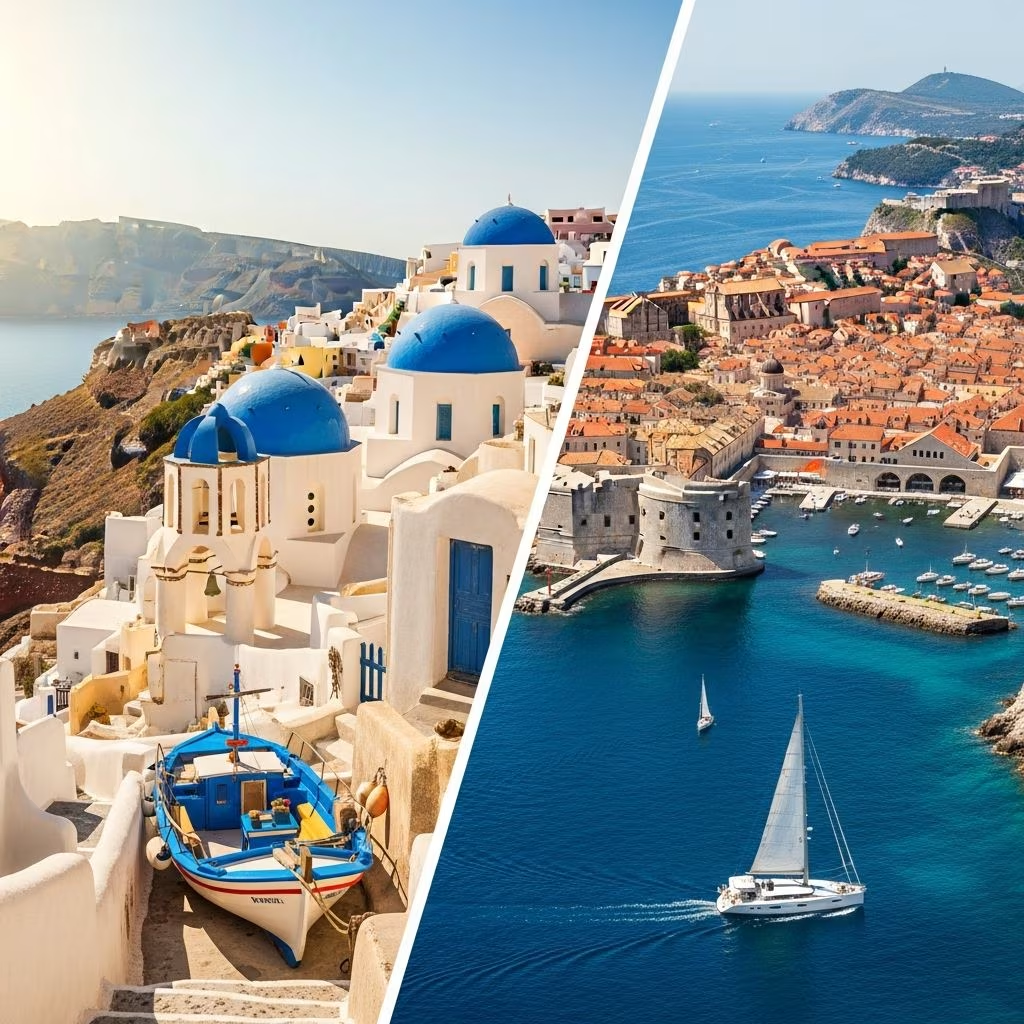
Greek islands, particularly those in the Cyclades such as Santorini and Milos, project iconic imagery recognizable worldwide. Whitewashed villages cascade toward the sea, volcanic cliffs create dramatic backdrops, and the atmosphere brims with energy and tourism infrastructure. Greek islands deliver postcard-perfect aesthetics and deep connections to mythology, though at the cost of higher crowds and more commercialized tourism.
Both countries offer stunning natural environments, but they appeal to different outdoor enthusiasts.
| Feature | Croatia | Greece |
|---|---|---|
| Water-Based Attractions | Plitvice Lakes, Krka National Park with cascading waterfalls and scenic walks | Mount Olympus, ancient gorges with mythological connections |
| Island Landscapes | Kornati National Park featuring island mazes, reefs, and dramatic cliffs perfect for boating | Diverse archipelago groups including Cyclades, Ionian, and Dodecanese, each with distinct character |
| Hiking Experience | Accessible water-based trails through Mediterranean landscapes | Long-distance gorge hikes like Samaria Gorge connecting natural beauty with ancient legends |
| Overall Appeal | Accessible nature experiences combining water and land activities | Nature intertwined with historical and mythological significance |
Croatia’s natural attractions emphasize accessible water features and well-maintained parks. Waterfalls, crystalline lakes, and coastal formations create stunning backdrops for activities ranging from casual walks to adventurous boating expeditions. The natural environment feels preserved and inviting without requiring extreme athletic ability.
Greece’s landscapes connect physical beauty with ancient stories and mythological context. Mount Olympus, the Samaria Gorge, and other natural features carry cultural weight beyond their aesthetic appeal. This integration of nature with history creates richer experiences for travelers interested in understanding how geography shaped classical civilization.
Mediterranean cuisine distinguishes itself in both nations, yet each reflects regional influences and ingredient availability.
Croatian cuisine features fresh seafood paired with emerging wine and truffle gastronomy. The culinary scene feels contemporary yet deeply rooted in regional traditions. Dining experiences emphasize local ingredients, family recipes, and the growing luxury food travel sector that positions Croatia as an undiscovered culinary destination.
Greek cuisine centers on ancient olive oil production, feta cheese, fresh vegetables, and Mediterranean herbs. Meals often incorporate afternoon siestas and long dining traditions reflecting a lifestyle pace that values extended meal times and social gathering. The culinary experience feels historically connected to ancient and Byzantine traditions while remaining vibrant and evolving.
Financial planning plays a crucial role in destination selection, and these two countries offer different value propositions.
Croatia generally presents lower costs than Greece, particularly for accommodations, meals, and activities. The Croatian Kuna, as a non-Euro currency, makes travel more affordable compared to Greece’s adoption of the Euro. This cost advantage applies across various travel styles, from budget backpacking to mid-range luxury experiences. Visitors can enjoy premium accommodations and dining at lower price points than equivalent Greek experiences.
Greece commands higher prices, particularly in island destinations and tourist hotspots. Euro pricing reflects developed tourism infrastructure and premium positioning in global markets. However, travelers can find affordable options in less-visited mainland regions and smaller islands if they venture beyond iconic destinations.
Your preferred vacation pace significantly influences which destination suits you better.
Croatia rewards travelers who prefer experiencing multiple locations without constant movement. The compact geography allows visitors to establish a base and take day trips or easily move to nearby destinations every two to three days. This approach reduces travel fatigue while maximizing cultural and natural experiences.
Greece requires more intentional planning due to its size and island-hopping requirements. Visitors must either choose specific regions to explore deeply or accept significant travel time between locations. This suits travelers who prefer extended stays in individual locations or those willing to invest travel time for diverse geographic experiences.
The pace and rhythm of daily life differ between these Mediterranean destinations, affecting how you experience each location.
Greek summers maintain afternoon siestas, a cultural tradition reflecting centuries of Mediterranean living patterns. This leisurely approach influences opening hours, dining schedules, and the overall tempo of daily life. Visitors adapt to a lifestyle that prioritizes relationship-building and extending social moments.
Croatia, particularly in cities and coastal regions, follows a more Central European schedule. While the Mediterranean influence remains evident, the pace feels slightly faster and more scheduled than Greece. This appeals to travelers who prefer structured activities and conventional operating hours.
Croatia positions itself as an emerging luxury destination with growing tourism infrastructure that still feels authentic. Medieval coastal cities, preserved national parks, and island communities maintain cultural integrity despite increasing visitor numbers. This appeals to travelers seeking Mediterranean experiences without the overwhelming tourism saturation found in Greek hotspots.
Greece represents an established tourism juggernaut with comprehensive infrastructure, extensive accommodation options, and well-developed transportation networks. This reliability makes independent travel straightforward, though it comes with predictable crowds and commercialization in popular areas.
Yes, many travelers combine both destinations in extended vacations. A typical itinerary might spend ten days in Croatia followed by ten days in Greece, or alternate between them. Flights connect the countries, though travel time between them requires additional planning.
Croatia generally provides better value, with lower accommodation costs, affordable meals, and competitive activity pricing. The Kuna currency makes daily expenses more manageable than Greece’s Euro-based pricing.
May through September works for both destinations. Greece offers longer, hotter summers perfect for intense beach experiences. Croatia’s shoulder seasons (May and September) provide pleasant weather with fewer crowds than peak summer months.
Croatia benefits from ten to twelve days to experience major highlights comfortably. Greece requires fourteen days minimum to visit multiple regions without rushing, though shorter trips focusing on specific islands work well.
Both work wonderfully for families. Croatia’s compact geography reduces travel fatigue for children. Greece’s diverse islands and mythological context captivate older children, while extensive tourist infrastructure ensures family-friendly amenities.
Both Greece and Croatia deliver authentic Mediterranean experiences that will create lasting travel memories. Your choice ultimately depends on your specific travel priorities and available time. Croatia suits travelers seeking efficient, emerging-market experiences with authentic medieval charm and affordability. Greece appeals to those pursuing iconic imagery, deep historical immersion, and established tourism infrastructure supporting longer explorations. Neither destination disappoints; each simply offers different pathways to Mediterranean joy.
